
Chlorine Smell in Shower Water: The Whole-Home Fix
A strong chlorine smell in shower water is hard to ignore. It can hit you the moment the shower warms up, and it often leaves one big question hanging in the bathroom, "Is something wrong with my water?"
Most of the time, the smell means your water is carrying a disinfectant residual, not that it is contaminated. Still, if the odor is strong enough to bother you, a small shower filter usually won't solve the whole problem.
What you want is a fix that treats the water at the point where it enters the house, so every shower, faucet, and bath feels better. That starts with knowing what the smell is, where it comes from, and which system actually fits the job.
Why shower water smells like chlorine
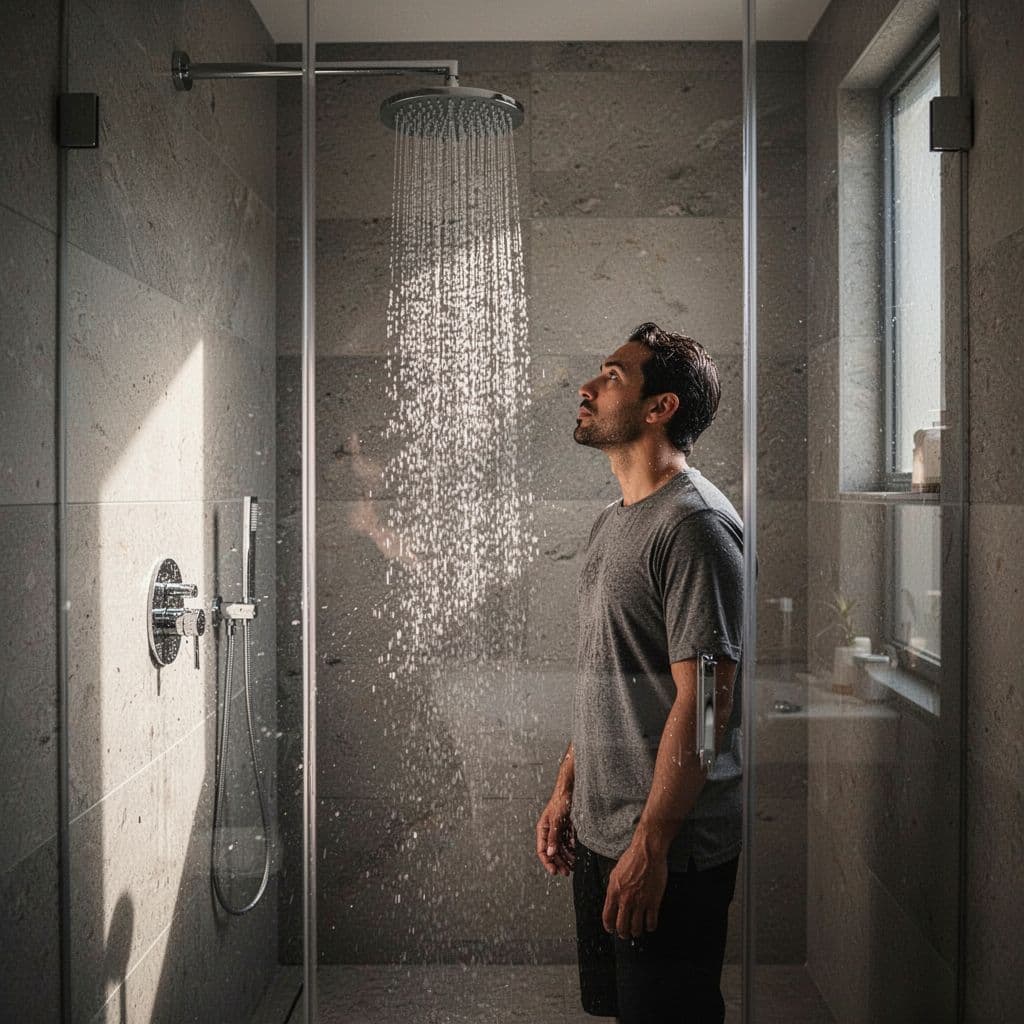
Cities and water districts add chlorine or a related disinfectant to kill germs and keep water safe as it moves through pipes. That residual can still be present when the water reaches your home, and you may notice it most in the shower because warm water releases odors faster.
Hot water often makes the smell seem stronger than cold water. Steam carries the odor into the air, so the shower can feel like the loudest place in the house even when the actual chlorine level is within normal limits.
That matters because a chlorine smell does not automatically mean your water is dirty. In many homes, it simply means the utility is doing its job.
A chlorine smell in the shower often points to treated municipal water, not a contamination event.
The smell can also change over time. If the utility adjusts disinfection, flushes mains, or switches between chlorine and chloramine, you may notice the odor more at certain times of year or after maintenance in your area.
Chlorine, chloramine, or a different smell?
Chlorine and chloramine are both used for disinfection, but they do not behave the same way. Chlorine is easier to remove with standard carbon filtration. Chloramine is more stubborn, so it often needs catalytic carbon or a system designed for longer contact time.
That difference matters if you are shopping for a filter. Many homeowners buy a shower filter that claims to handle "chlorine," then find the smell only drops a little. If the utility uses chloramine, the filter may not be built for the job.
The easiest clue is your local water quality report. Many utilities publish whether they use chlorine, chloramine, or a mix. You can also compare what you smell at different fixtures. If the odor appears in both hot and cold water throughout the home, the source is likely the incoming water. If it shows up in just one spot, the issue may be local to that fixture.
Here is a quick way to sort it out:
| What you notice | What it may mean | Next check |
|---|---|---|
| Chlorine smell in every faucet | Utility disinfection residual | Review the local water report |
| Smell is stronger in hot water | Heat is releasing the odor faster | Compare cold and hot taps |
| Smell happens in one shower only | Fixture issue or old shower filter | Test another fixture |
| Chlorine smell plus sediment or color | Separate water quality issue | Look at the whole system |
The table won't solve the problem by itself, but it can save you from buying the wrong fix.
What to check before buying anything
A little diagnosis goes a long way. Before you order a filter, check a few simple things so you know whether the smell comes from the city supply, your plumbing, or a point-of-use device that has reached the end of its life.
- Run cold water at a sink first. If the smell shows up there, the issue is not just the showerhead.
- Test hot and cold water separately. A much stronger odor in hot water often points to disinfectant off-gassing in the water heater and shower.
- Ask a neighbor. If nearby homes notice the same smell, your utility is likely the source.
- Check when the smell is strongest. After line flushing, maintenance, or periods of low use, odors can be more noticeable.
- Look at any existing shower filter. Many cartridges lose performance faster than homeowners expect, especially in higher-flow showers.
If you already have a whole-house system, check whether the media has been changed on schedule. Carbon can only absorb so much before it needs replacement. Once it is spent, the chlorine smell comes right back.
This is also the point where a local water treatment company can help you avoid guesswork. A proper test and system review can confirm whether you need standard carbon, catalytic carbon, or a different setup entirely. If you are comparing options, professional water treatment services can help you narrow the list fast.
Why shower filters only go so far
Point-of-use shower filters can help with odor at a single showerhead, and that may be enough for a renter or a short-term fix. For a homeowner, though, the limits show up quickly.
First, a shower filter treats only one tap. Your sink water, bath water, laundry, and dishwasher still get the same treated supply. Second, many shower filters use a small amount of carbon, so they saturate faster than a larger whole-house system. Third, some models reduce flow or need frequent replacement, which turns a simple fix into a maintenance chore.
They also have a harder time with chloramine. Some filters claim broad reduction, but without catalytic carbon or enough contact time, performance can be underwhelming. That is why a shower filter may soften the smell without removing it in a way that feels consistent.
A whole-house system is the better match when you want the smell gone at the source. It treats the water before it reaches any fixture, so you are not depending on one small cartridge to handle your entire shower routine. For homeowners who want one system that covers the whole house, water conditioning options are worth a closer look.
The right whole-house fix for chlorine odor
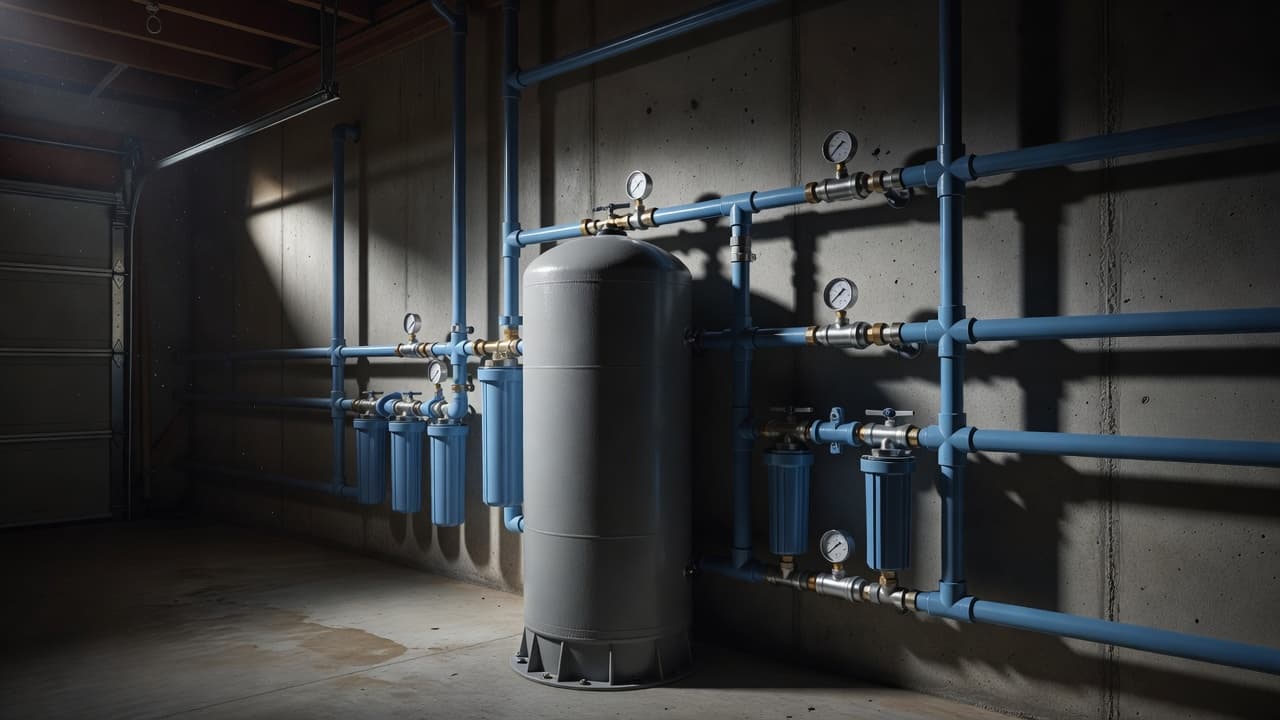
For most municipal water with a chlorine smell, the best solution is a properly sized whole-house carbon filtration system. Activated carbon absorbs chlorine as water passes through it, which reduces that sharp pool-like smell in showers and at every other tap.
When chloramine is part of the picture, catalytic carbon is often the better choice. It is built to handle the extra stability of chloramine, which standard carbon may not remove as well. The right media matters more than the label on the tank.
A whole-house setup also gives you room to do the job right. In many homes, that means a sediment prefilter ahead of the carbon tank, so dirt and rust do not clog the media too quickly. In higher-flow homes, proper sizing is just as important as the media itself. If the system is undersized, water can move through too fast and odor reduction drops.
The best fit depends on what you are treating. This quick comparison helps:
| Water situation | Better fit | Why it helps |
|---|---|---|
| Municipal chlorine only | Standard activated carbon | Handles common disinfectant odor well |
| Municipal chloramine | Catalytic carbon | Better for more persistent disinfectant residuals |
| Sediment plus odor | Sediment prefilter plus carbon | Protects the carbon and keeps flow steadier |
| One bad shower only | Point-of-use filter | Useful as a temporary or limited fix |
A whole-house system does more than make the shower smell better. It improves the water everywhere you use it, which is why it feels like a real fix instead of a patch. It also makes maintenance easier, because one service point protects the whole home.
Conclusion
A chlorine smell in the shower usually means your water is treated, not that it is unsafe. The real question is whether you want to keep masking that smell at one showerhead or remove it where the water enters the house.
For most homes, the answer is a whole-house carbon system sized for your water use and matched to the disinfectant your utility uses. If chloramine is present, the media choice matters even more. The right setup brings the smell down at every tap, and that is a much cleaner result than relying on a small shower filter.
If your shower water still smells like a swimming pool, the fix is probably bigger than the shower itself.
Latest posts
Read Our Blog
Tips, guides, industry best practices, and news.


Contact us
Get in touch
Our friendly team is ready to chat.