
Fishing Line Near a Pond Fountain Impeller: Safe Next Steps
Fishing line near a pond fountain impeller calls for a shutdown and safe inspection, not repeated attempts to restart the pump. A weak spray, unusual vibration, or stopped fountain needs attention, but those symptoms alone don't identify the damaged part.
The priority is disconnecting power before anyone touches the fountain, its cables, or submerged equipment. Finding discarded line also creates an opportunity to address nearby debris and prevent another cleanup.
Start by separating what you can observe safely from work that belongs with a trained fountain technician.
Key Takeaways
- Shut off power at the proper disconnect or breaker before inspecting, cleaning, or moving fountain equipment.
- A weaker spray, unusual vibration, or repeated shutdown can have several causes. Finding fishing line doesn't automatically mean the impeller needs replacement.
- Remove only loose, safely accessible debris within the manufacturer's maintenance instructions. Leave internal disassembly, difficult retrieval, and electrical repairs to qualified professionals.
Prompt attention matters because an obstructed pump can strain its motor. However, a useful inspection considers the intake, nozzle, water level, and electrical condition rather than focusing on one piece of debris.
What Changes in Fountain Performance Tell You
Watch for more than a weaker spray
Reduced spray height often appears before a complete shutdown. An uneven pattern, unfamiliar rattling, or intermittent operation also deserves attention.
Observe the fountain from shore without touching the equipment. Note whether the change appeared suddenly, followed heavy rain, or developed alongside visible algae and debris.
Wind can distort the display, while low water levels can affect operation. A partly clogged nozzle may also change the spray pattern. These differences matter because the display alone can't identify an impeller problem.
Our lake water fountain repair guide covers broader performance problems that may accompany a change in spray.
Treat shutdowns and electrical symptoms seriously
If a breaker trips, don't keep resetting it. Damaged wiring, water intrusion, and motor trouble require attention beyond debris removal.
Similarly, stop operating a fountain that has shifted position or developed unusual vibration. A change in position may involve anchors, mooring lines, or cable strain.
Finding fishing line nearby is useful information for the technician. It doesn't establish the condition of components hidden inside the pump. Keep the unit off until the cause of a serious symptom has been addressed.
Disconnect Power Before Any Inspection
Isolate the equipment against an unexpected restart
Use the fountain's proper disconnect or breaker according to its system design and the manufacturer's shutdown procedure. Turning off a timer, remote control, or app isn't a substitute for electrical isolation.
Make sure nobody can restore power while work is underway. On community properties, coordinate the shutdown with whoever controls the electrical panel and operating schedule.
Where lockout procedures apply, trained personnel should secure the disconnect before service begins. Electrical testing belongs with someone qualified to perform it safely.
A fountain that isn't spraying may still have electrical power. A stopped display is never proof that the equipment is safe to touch.
Keep people out of the water
Don't enter the pond to inspect or retrieve fountain equipment. Keep residents, children, pets, and unauthorized visitors away from the unit and its power cable.
If the disconnect is damaged, wet, or surrounded by standing water, stay clear and arrange qualified assistance. Don't cross a hazardous area to reach it.
Large floating fountains may need retrieval equipment and trained personnel. Follow the manufacturer's access instructions rather than improvising with a boat hook, shoreline rope, or pull on the power cable.
Inspect the Whole Fountain, Not Just the Visible Line
Begin with accessible exterior components
Once power is safely isolated and the equipment is accessible, inspect only the areas the manufacturer permits owners to maintain.
Look for accumulated leaves, grass clippings, plastic, algae, and visible fishing line. Examine the intake screen, nozzle openings, housing, and exposed fittings without reaching blindly into openings.
Also look for cracked guards, loose hardware, damaged cable jackets, or an uneven float. Don't handle hooks or embedded tackle with bare hands.
Record the location of visible debris before disturbing it. A clear photograph taken from a safe position can help explain the concern during service.
Leave internal access to the correct procedure
Fountain designs differ. Some permit routine access to a removable screen, while others require more extensive disassembly to reach the pump.
The pond fountain impeller may not be accessible through the same opening used for ordinary cleaning. Don't assume instructions for another fountain apply to yours.
Follow the manufacturer's instructions for access, cleaning, and reassembly. Stop if the work requires opening a sealed motor housing, disturbing electrical connections, or removing unfamiliar components.
An exterior inspection is useful, but it can't establish the condition of parts that remain concealed.
Remove Only Loose, Safely Accessible Fishing Line
Removal should stay within the equipment's approved maintenance procedure. If line disappears behind a guard or into the pump assembly, pulling harder isn't a safe next step.
For accessible exterior debris, use this sequence:
- Disconnect power and prevent the fountain from restarting before beginning any work.
- Retrieve or position the equipment only by the manufacturer's approved method, using trained help when needed.
- Remove loose exterior line only where it comes away without force and without dismantling components beyond permitted maintenance access.
- Stop if the line remains secured, a hook is embedded, or removal would require cutting near a cable, seal, or concealed component.
Collect every removed piece so it can't return to the pond. Put hooks and other sharp tackle in a puncture-resistant container.
Don't use the motor to try to clear debris. Also, don't run a pump out of water unless its manufacturer expressly permits that operating condition.
Before restarting, reinstall all required guards and fittings. Restore the equipment to its proper operating position and water depth.
If vibration, noise, poor flow, or shutdowns continue, leave the fountain off. Removing visible debris doesn't resolve every possible fault.
Keep Discarded Line Away From the Fountain
Make responsible fishing easier
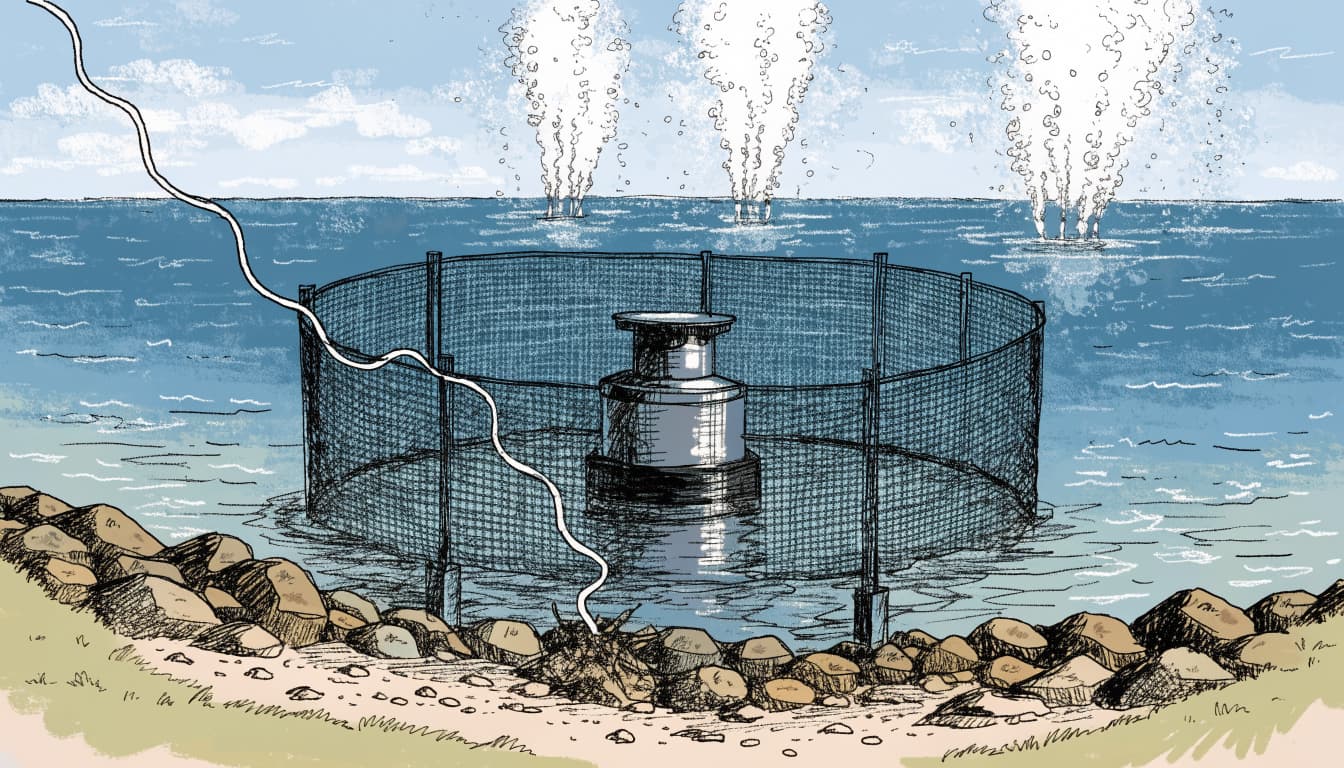
Where fishing is permitted, give residents a clear place to dispose of unwanted line. A dedicated collection container near an established fishing access point can keep loose strands out of ordinary shoreline litter.
Explain that line, hooks, and tackle shouldn't be thrown into the pond or left on the bank. Include the same reminder in community fishing rules and resident communications.
Keep casting activity separated from fountain equipment, mooring lines, and electrical cables. Any changes to fishing access should fit the property's existing safety and shoreline requirements.
Remove shoreline debris before it accumulates
Walk accessible shoreline areas after busy fishing periods, mowing, and heavy rain. Collect loose line, packaging, grass clippings, and other litter without disturbing protected vegetation or wildlife.
Don't handle nests, eggs, or entangled animals as part of routine fountain cleanup. Those situations need appropriate wildlife assistance.
Keep existing equipment in its approved configuration. Don't add homemade intake coverings or modify screens without the manufacturer's instructions.
A lake fountain maintenance checklist helps property managers include debris removal alongside other routine inspections.
Build a Maintenance Routine Around Pond Conditions
Fishing line deserves attention, but routine care must address the other materials accumulating around the fountain.
In Florida, warm conditions, sunlight, algae, and mineral deposits can make cleaning more frequent. Leaves and plant matter also collect around equipment, particularly after storms.
Our guidance on lake fountain cleaning and maintenance describes how buildup can reduce spray quality.
Set the service interval around the pond's actual conditions and the manufacturer's requirements. A quiet pond with little debris presents different maintenance demands than a heavily used fishing area.
For an HOA, keep a simple equipment record with the model, electrical shutoff location, normal spray appearance, and maintenance dates. Add notes about unusual noise, rainfall, retrieved debris, and changes in water level.
A photograph of the normal display provides a useful comparison. During service, include floats, anchors, mooring lines, cables, screens, and nozzles rather than treating the pump as an isolated component.
Frequently Asked Questions
Does finding fishing line mean the impeller needs replacing?
No. Visible fishing line doesn't establish whether an internal component is damaged or whether replacement is necessary.
A weaker display can also involve algae, mineral deposits, a blocked nozzle, low water, or another equipment problem. Inspection should identify the affected component before parts are ordered.
Replacement decisions also depend on the fountain's design and the condition of the assembly. Keep the pump model and equipment information available for service. Motor details alone may not identify every compatible replacement part.
Can I restart the fountain after removing visible line?
Restart only after completing the manufacturer's cleaning and reassembly procedure and resolving any safety concerns. All required components must be back in place, with the fountain positioned for normal operation.
A prior breaker trip, damaged cable, unusual vibration, or continuing loss of flow warrants professional attention. Don't treat a brief return of spray as proof that every problem has cleared.
If a qualified technician is needed, leave the equipment off until service. Our fountain installation, repair, and maintenance services support properties in Naples and Southwest Florida.
Protect the Fountain With a Safe, Complete Inspection
Fishing line near a fountain is a reason to investigate safely, without assuming which internal part needs repair. Power isolation comes first , followed by manufacturer-approved access and a complete assessment of the equipment.
Remove loose debris before it accumulates, keep discarded tackle out of the pond, and respond promptly to changes in performance. When access or symptoms make the work unsafe, leave the fountain off for professional service.
Latest posts
Read Our Blog
Tips, guides, industry best practices, and news.

Contact us
Get in touch
Our friendly team is ready to chat.
