Can a Pond Fountain Clear Green Water?

Trademark Water Systems • October 22, 2026

Share this article

A fountain can improve circulation and add oxygen at the surface, but it usually won't clear green pond water by itself. If algae has a steady supply of nutrients, it can keep growing even while the fountain runs.

The right response depends on what's turning the water green and whether the fountain is moving water effectively. Start by separating the fountain's benefits from the work needed to reduce algae.

Can a pond fountain clear green water on its own?

Usually, no. A fountain can break up still surface water and circulate water around its operating area. However, it doesn't remove the nutrients that feed algae, such as fertilizer runoff, grass clippings, pet waste, and decaying leaves or plants.

That distinction matters in ponds beside homes, golf courses, and community properties. A fountain may improve the look and movement of open water while algae remains suspended or keeps returning. A comparison of solar and electric lake fountains can help explain how different fountain setups affect circulation, but neither power source removes algae-feeding nutrients.

What a fountain can and can't do

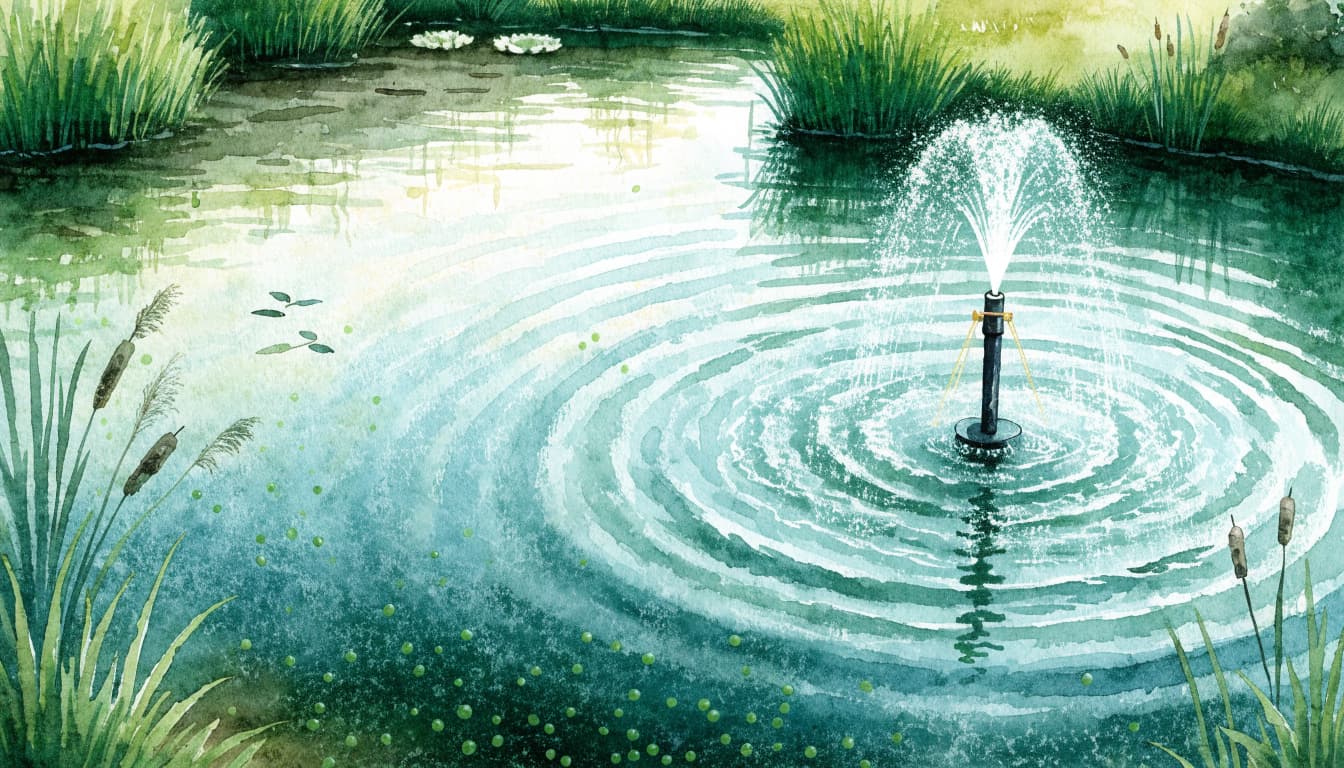
A floating fountain draws water through its pump and sprays it into the air. The falling droplets agitate the surface and add oxygen there. That can make the pond look less stagnant and support movement near the fountain.

Circulation doesn't remove nutrients

A fountain may improve conditions in the area it reaches, but nutrient sources remain unless someone addresses them. Runoff after rain, lawn fertilizer, and organic debris can keep adding material that supports algae growth.

Shoreline care can help reduce that input. Remove grass clippings and leaves before they wash into the pond, and maintain vegetation without stripping protected shoreline plants.

Spray coverage has limits

A strong-looking spray doesn't guarantee that the entire pond is circulating. Deep areas, narrow coves, corners, and sections behind islands may receive little movement. A surface fountain may not reach the bottom of a deep lake, either.

Pond size, depth, shape, and fountain placement all affect circulation. A larger unit alone may not solve algae in a sheltered cove or a pond with nutrient-rich sediment.

How to diagnose green pond water

Before choosing a treatment, look at where the green appears and whether the fountain is operating normally. Algae can tint the water throughout, while floating mats or growth attached to surfaces may point to a different issue.

Check the water and the shoreline

Look for fertilizer residue, grass clippings, leaves, pet waste, and other organic material entering the pond. Also note whether the water is green throughout, whether algae gathers in certain areas, and whether foul odors, cloudy water, or fish distress are present.

When the cause isn't clear, water testing can help identify conditions such as dissolved oxygen, pH, temperature, and nutrient levels. If the problem may be deeper in the pond, samples from more than one depth can show more than a single surface sample.

Distinguish algae from equipment buildup

Green water can point to suspended algae, but discoloration or deposits on fountain parts may have another cause. White crust on a nozzle or float can be mineral scale, while iron can leave orange-brown stains. Those deposits may restrict openings or change the spray pattern.

If the fountain's spray has weakened, become uneven, or started vibrating, inspect the intake and equipment. A clogged screen or nozzle can reduce flow, even when the pond's water quality is a separate problem.

Practical steps for managing algae

First, remove debris you can reach safely, especially around the fountain intake and along the shoreline. Clear circulation paths help the equipment perform as intended, but cleanup alone won't resolve a bloom if nutrients continue entering the water.

Choose treatment for the actual pond

If algae persists, assess nutrient sources and water conditions before selecting a treatment. Algaecide may be one part of a response, but it doesn't replace debris removal or a plan to reduce nutrient inputs.

Use only products approved for the specific water body and purpose. Follow the product label for dosage, timing, protective equipment, and any restrictions on irrigation, fishing, pets, or water use. Pool chemicals and household cleaners can harm pumps, fish, plants, and beneficial pond organisms. The Florida lake fountain maintenance checklist covers algae control and equipment care.

Avoid assuming more aeration is always better

Aeration can help with circulation, but the right setup depends on the pond's depth, shape, and problem areas. In some ponds, a separate aeration system or additional pond maintenance may be needed. Surface spray alone may leave deep water or protected corners largely untouched.

Treatments also require care. When algae dies and decomposes, oxygen levels can be affected. Follow the product directions for fountain operation during treatment rather than assuming the fountain should always run or stop.

Keep the fountain working well

In Florida's warm climate, algae and mineral deposits can build up on floats, nozzles, and cables. Remove debris from the intake, inspect the screen and nozzles, and watch for a weaker or uneven spray. If the pump is obstructed, continued operation can strain the motor and reduce circulation.

Also pay attention to unusual vibration, repeated breaker trips, or a float that drifts out of position. These signs call for equipment attention, not simply a larger fountain. Routine lake fountain maintenance helps keep the spray consistent and can catch problems before they worsen.

At Trademark Water Systems, we install, repair, and maintain lake fountains in Naples and Southwest Florida. When the fountain runs poorly or the pond's circulation needs are unclear, a site-specific assessment can help distinguish equipment issues from water-quality concerns.

Key Takeaways

  • A fountain improves surface movement and aeration, but it doesn't remove nutrients that feed algae.
  • Runoff, yard debris, and organic matter can keep green water recurring.
  • Test water conditions when the cause isn't clear, especially if deeper areas may be affected.
  • Clean and inspect fountain components, and use only treatments approved for the pond.

Frequently Asked Questions

Should I run a fountain when the pond is green?

A working fountain can support surface circulation, but its effect depends on the pond and the equipment. During an algae treatment, follow the product directions, since some treatments require aeration and others have specific operating guidance.

How long will it take a fountain to clear green water?

A fountain alone may not clear an algae bloom at all. Results depend on the source of nutrients, pond conditions, and any treatment used, so a specific timeline can't be promised.

A fountain helps, but it isn't the whole solution

A pond fountain can improve movement and oxygenation near the surface, yet green water often needs more than a stronger spray. Identify the likely algae source, reduce nutrient inputs, and keep the equipment clear and functional.

When green water returns, address the pond conditions alongside the fountain. That's the practical route to better circulation and a healthier-looking water feature.

Latest posts

Read Our Blog

Tips, guides, industry best practices, and news.

By Trademark Water Systems • October 22, 2026
A careful RO tubing inspection can reveal a pinched line or tight bend that slows water production. It can also help distinguish a tubing problem from a clogged filter, a valve issue, or another fault. Start with a visual check, then isolate and depressurize the system before...
By Trademark Water Systems • October 21, 2026
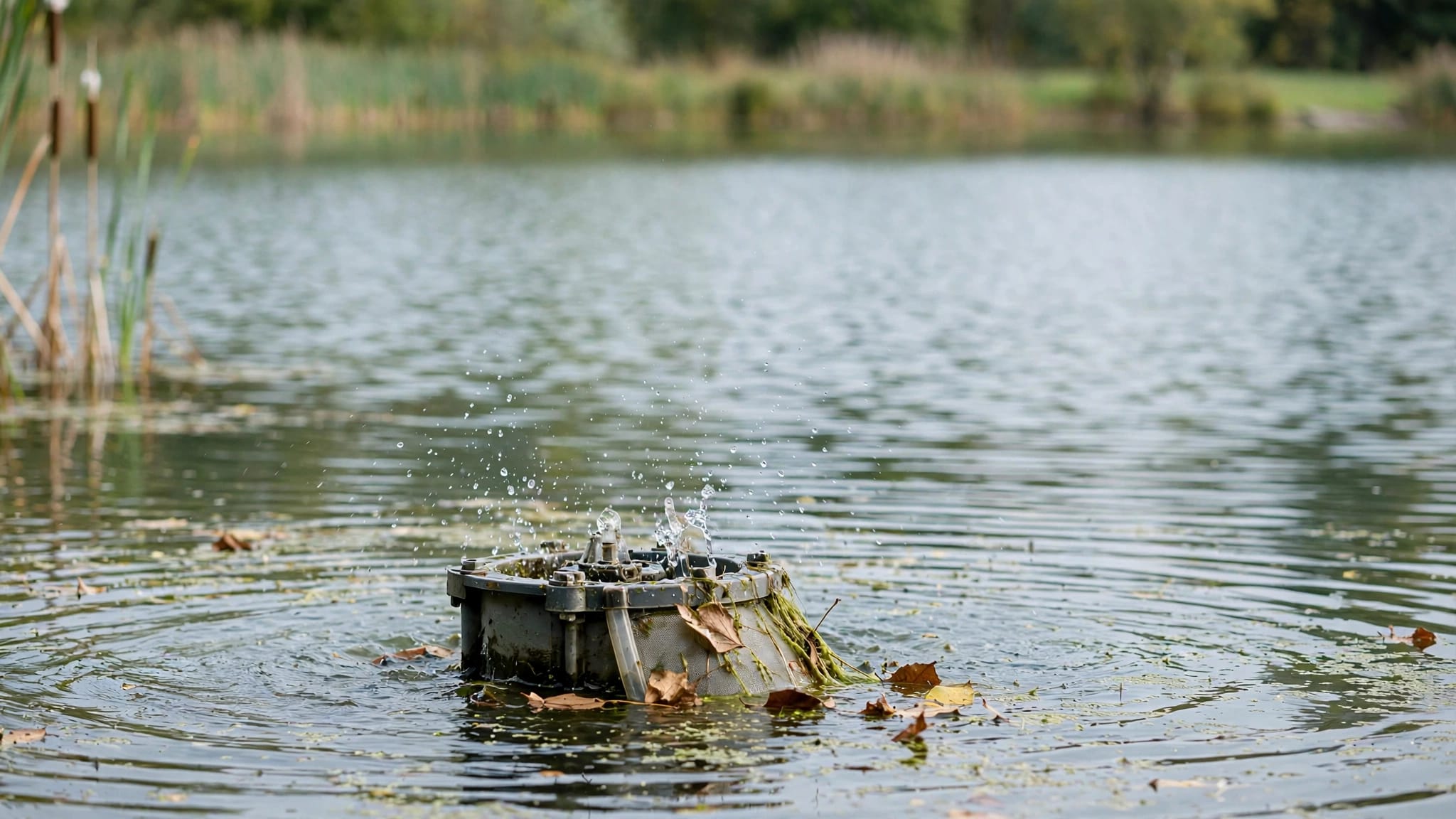
When a lake fountain shuts off soon after starting, the cause may be restricted water flow, an electrical fault, or a problem inside the pump. The timing and any change in spray, sound, or breaker behavior can help narrow down what's happening. Because fountains combine electr...
By Trademark Water Systems • October 21, 2026
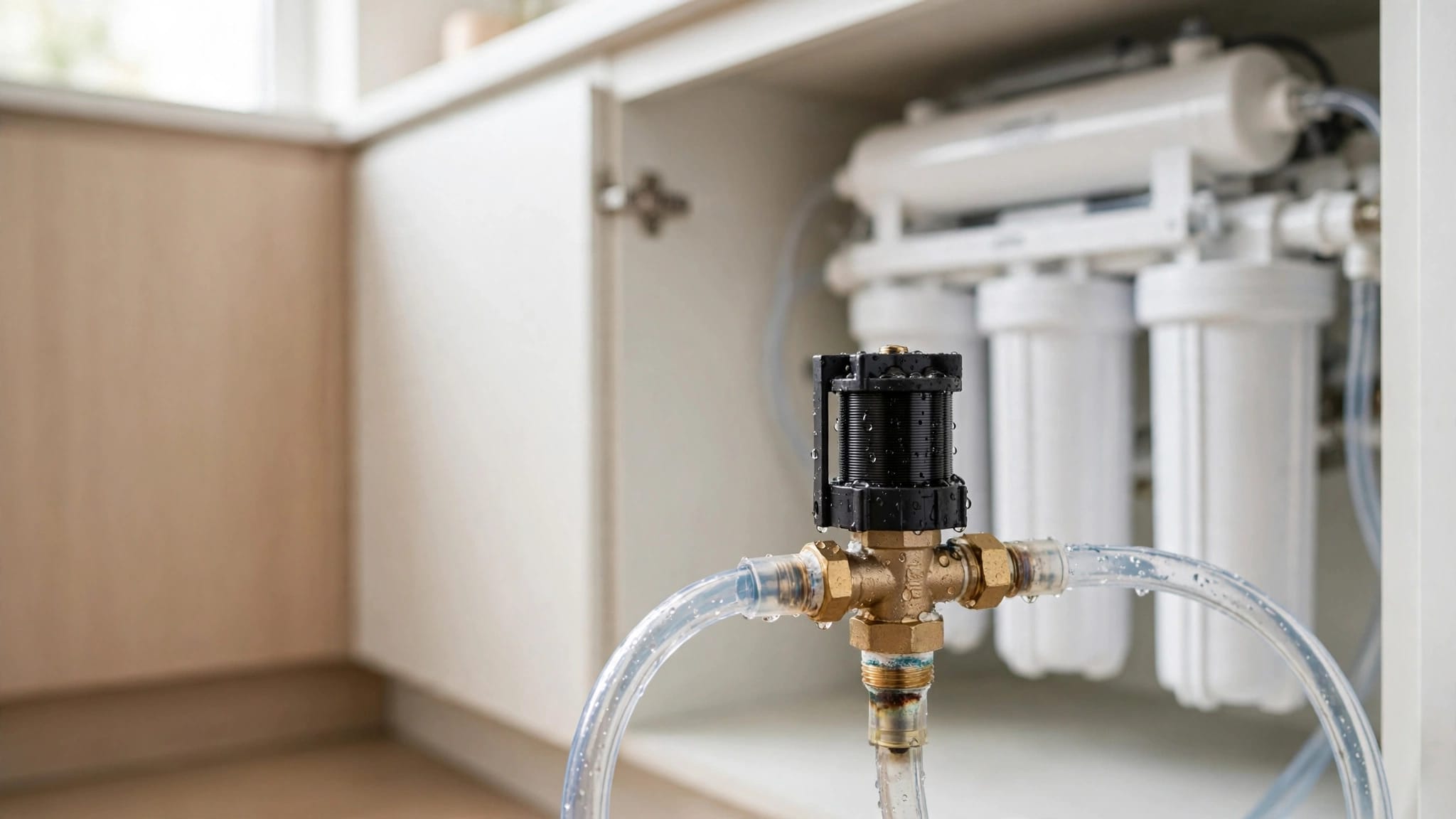
A leak, corrosion, damaged wiring, or a visibly burnt coil can point to a problem around an RO solenoid valve. However, RO solenoid valve failure can't be confirmed by appearance alone. A similar symptom may come from another part of the system, and some valve faults leave no...

Contact us

Get in touch

Our friendly team is ready to chat.

Black outlined envelope icon on a white background

Email

Our friendly team is here to help.

Black outline of a telephone handset icon on a white background

Phone

Office Hours: Mon-Fri from 8am to 5pm.

Black location pin icon with a circular center on a white background

Office

Locally owned and operated.