
How Often to Change Whole-House RO Prefilters
Whole-house RO prefilters do a lot of quiet work, and they usually tell you when they need attention. For many homes, a change every 3 to 6 months is a solid starting point, but that window can shrink fast if your water carries a lot of sediment or your household uses a lot of water.
The safest answer is not a calendar date alone. Your incoming water, your cartridge type, and the manufacturer's schedule all matter. The best plan is to watch the system, then replace the prefilters before they start to choke flow or strain the membrane.
What sets the replacement schedule
A prefilter that lasts six months in one house may need replacement in three months in another. That difference usually comes down to what the water brings in every day.
Sediment load is the biggest factor. Sand, silt, rust, and fine grit fill a cartridge much faster than clear water does. Homes on well water often see this sooner than homes on treated city water, but city water can still carry enough debris to load a filter early.
Usage matters too. A larger family, frequent guests, and high water use from showers, laundry, and cooking all push more gallons through the system. More gallons usually mean a shorter filter life.
Cartridge size and design also count. A small filter housing can clog faster than a larger one. A dense carbon block may protect better, but it can also fill up sooner than a looser cartridge. If your system has a sediment stage before carbon, the first cartridge takes the worst of the load and often needs the most attention.
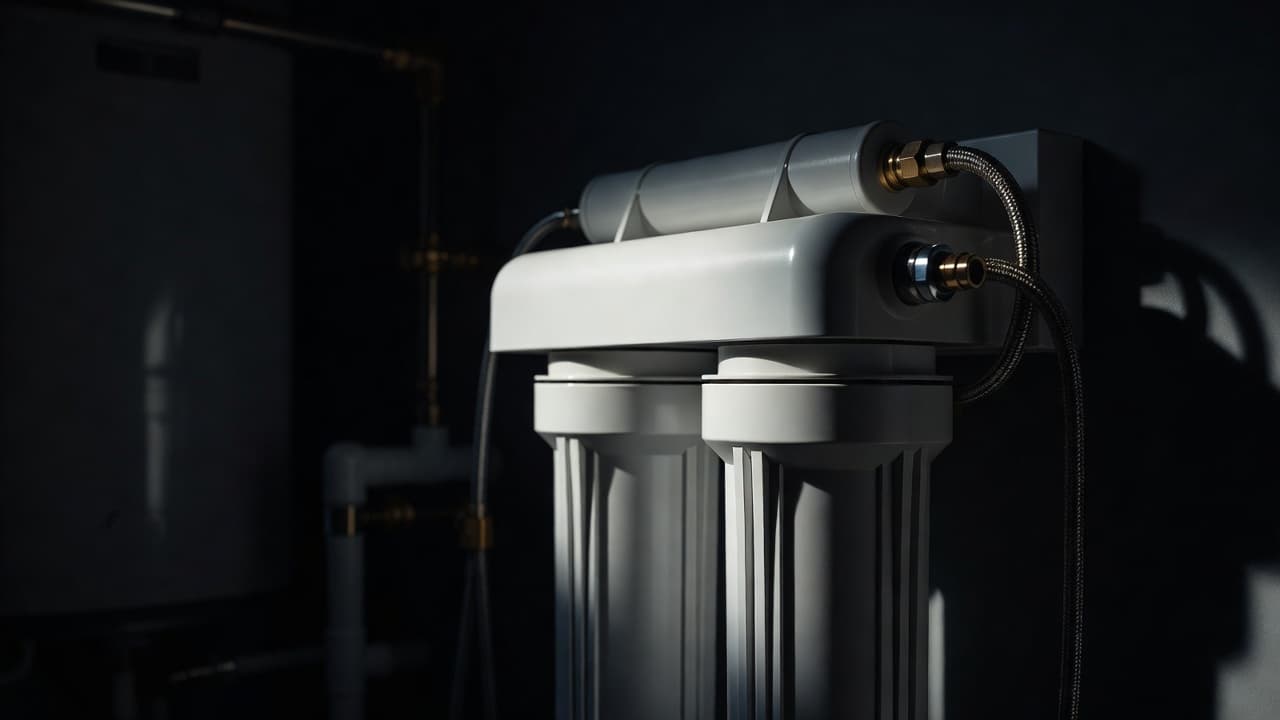
Manufacturer guidance should beat any generic timeline, especially if your water carries a lot of sediment.
A simple rule helps when you do not have a service history yet. Start with the manual, then check the system every month or two. That is much safer than waiting for a problem to show up at the faucet.
Sediment and carbon prefilters do different jobs
Not all prefilters age the same way. Sediment and carbon cartridges work side by side, but they fail for different reasons.
A sediment filter traps physical debris. A carbon filter handles chlorine, taste, and odor. When sediment gets overloaded, you often see it. When carbon wears out, the change can be harder to spot at first.
Here is a quick comparison.
| Filter type | Main job | Common signs it is due | What shortens its life |
|---|---|---|---|
| Sediment prefilter | Catches sand, silt, rust, and dirt | Visible debris, darker cartridge, lower pressure, cloudy housing | Well water, storm runoff, plumbing work, heavy use |
| Carbon prefilter | Reduces chlorine, taste, and odor | Taste or smell returns, water seems flat, RO membrane sees more stress | High chlorine levels, poor sediment protection, high water volume |
The sediment stage is the front line. If it plugs early, the carbon stage has to work harder than it should. That can shorten the life of the whole system.
Carbon is trickier. It can wear out before it looks dirty, especially if the water still looks clear. That is why a clean-looking cartridge is not always a healthy one.
A home with well water often needs more frequent sediment changes. A home on chlorinated city water may need carbon changes based more on taste, smell, and the manufacturer's calendar. In both cases, the cartridge that looks "less used" may still be the one that needs replacement.
Signs your prefilters are getting clogged
A clogged prefilter usually gives hints before it fails. The trick is noticing the small stuff before it becomes a bigger repair.
Watch for these signs:
- Water flow slows at the faucet or through the whole-house system.
- The RO faucet takes longer to fill a glass or pitcher.
- Pressure drops at showers or sinks after the filtration system.
- The filter housing looks dirty, dark, or packed with debris.
- Taste or odor changes come back, especially chlorine or a stale taste.
- The system seems to run longer or cycle more often than usual.
- A membrane issue shows up sooner than expected.
Pressure change is one of the clearest clues. If the system used to move water easily and now feels sluggish, the prefilters are a good place to look first. A slowed filter can also make the membrane work too hard, which is never a good trade.
Taste and smell matter too. If treated water starts tasting flat or smells like chlorine again, the carbon stage may be tired. If taste changes or pressure swings keep showing up, troubleshooting reverse osmosis water systems can help you narrow down the source before the problem grows.
A filter can be overdue even when it still looks serviceable. That is why a service log is useful. A simple note on the housing, or a reminder in your phone, can save a lot of guessing later.
A practical replacement rhythm for most homes
There is no single schedule that fits every house. Still, a few patterns hold up well for most whole-house RO prefilters.
- Change them about every 3 months if your water carries a lot of sediment, your well is sandy, or your home uses a lot of water.
- Change them about every 4 to 6 months for many average households with moderate use and decent incoming water.
- Change them sooner after plumbing work, a storm, a well service visit, or a sudden rise in water use.
That range gives you a starting point, not a rule carved in stone. If your system stays clean and pressure remains steady, you may land closer to six months. If the filter load is heavy, three months may be more realistic.
The best habit is to check the system before the cartridge is fully packed. That keeps the RO membrane protected and keeps water flow more stable. It also helps you catch a change in water quality before it spreads through the house.
If you have not tracked replacement dates before, start now. Write the install date on the cartridge or set a recurring reminder. After one or two cycles, the right interval usually becomes clear.
Common mistakes that shorten prefilter life
A few small habits can cut a prefilter's life short.
The first mistake is waiting for visible dirt alone. Some cartridges look fine while performance is already slipping. If the water flow drops or taste changes, the filter may be due even if the housing looks normal.
Another mistake is changing only one stage when both are overdue. The sediment filter and the carbon filter often age together. If one is packed and the other is close behind, replacing both can restore the system more cleanly.
A third problem is ignoring changes in the water source. New construction nearby, recent well work, seasonal flooding, or a change in household size can all affect filter life. What worked last year may not work now.
Poor records cause trouble too. When people do not track change dates, they usually wait too long. That delay can put extra stress on the membrane and lead to more service calls later.
Finally, do not overrule the manufacturer without a reason. Some systems are built around a specific service interval. If the manual says to replace at a certain time or gallon count, that schedule should take priority over a general rule of thumb.
Conclusion
For most homes, whole-house RO prefilters need replacement somewhere around every 3 to 6 months. That range works well as a starting point, but the real schedule depends on water quality, usage, and cartridge type.
Sediment filters usually show wear first through pressure loss and visible debris. Carbon filters often show up later through taste and odor changes. Both matter, and both protect the rest of the system.
The best habit is simple, watch the signs, keep a record, and follow the manufacturer's schedule when it gives you a tighter answer. That approach keeps your water steady and helps the RO system do its job without extra strain.
Latest posts
Read Our Blog
Tips, guides, industry best practices, and news.


Contact us
Get in touch
Our friendly team is ready to chat.