Why Well Water Tastes Metallic and What to Do
A metallic taste in well water can show up before you see any other problem. One day the water tastes like coins, and every sip feels off.
That taste can come from dissolved minerals, but it can also come from copper pipes, fittings, or a water heater. Taste alone doesn't tell you whether the water is safe. Water testing does.
Start by noticing what changed, then trace the clue back to the source.
What Metallic Well Water Usually Means
Private wells pull water through rock, sand, and soil. Along the way, the water can pick up iron, manganese, copper, zinc, and other dissolved materials. Some of those minerals leave a rusty or penny-like taste. Others make the water feel sharp or dry on the tongue.
That doesn't always mean a health problem. It does mean the water deserves a closer look, especially if the taste is new.
Timing helps narrow it down. If the taste shows up after a pump repair, a plumbing change, heavy rain, or a long period of no use, the cause may be easier to track. If it only happens at one faucet or in hot water, plumbing is more likely than the well itself.
A change that shows up at every tap points more often to the water source, not a single fixture.
Minerals That Change the Flavor
Minerals are the most common reason well water tastes metallic. The key is figuring out which mineral is doing the damage.
| Cause | Common clues | Taste pattern | Usual response |
|---|---|---|---|
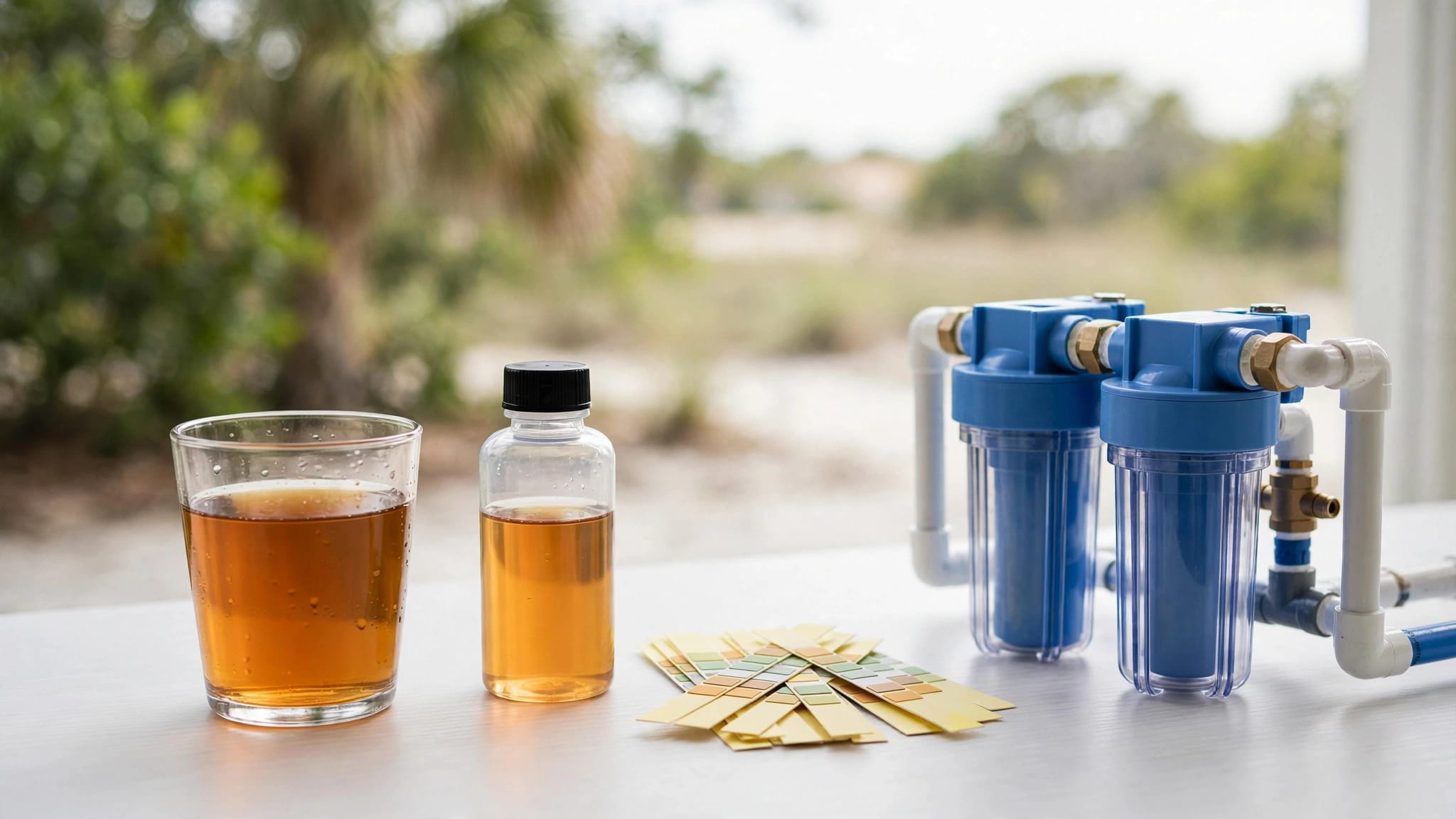
| Iron | Orange stains, rust tint, sediment | Penny-like or rusty | Iron filter or oxidation treatment |
| Manganese | Black specks, dark staining | Bitter or metallic | Specialized filtration |
| Hard water minerals | Scale on faucets, soap scum | Dry, chalky, mineral taste | Softener or conditioning system |
| Low pH water | Corrosion, etched fixtures | Sharp, acidic taste | Neutralizer and follow-up test |
If the taste is in every glass and you also see stains or scale, minerals are a strong suspect. In those cases, a treatment plan built around water conditioning for well water can help, but only after testing shows what needs to be removed.
Iron and manganese often leave a taste that people describe as rusty, earthy, or earthy-metallic. Hard water is different. It may not taste like metal in the strict sense, but many homeowners still describe it that way because of the dry, mineral finish it leaves behind.
Low pH is another common piece of the puzzle. Acidic water can pull metal from pipes and fixtures, which makes the taste worse over time. It can also shorten the life of your plumbing.
Plumbing Corrosion Can Mimic Mineral Taste
Old or acidic water can attack pipes and fixtures. Copper, brass, galvanized steel, and even some solder can shed tiny amounts of metal into the water. That can leave a taste that feels stronger than the mineral kind.
Hot water often shows it first, because heat speeds up corrosion and loosens deposits inside a water heater. A sink that sits unused overnight can also send out the strongest first draw.
Look for blue-green stains around fixtures, rusty water at startup, pinhole leaks, or a water heater that has never been flushed. If only one bathroom or one kitchen sink tastes metallic, the problem may sit in that branch of plumbing. In that case, replacing corroded parts matters more than adding a filter alone.
New plumbing can do this too. Fresh copper, new fittings, or a recently serviced water heater can change taste for a while. If the metallic flavor started right after a repair, that detail matters.
How to Pinpoint the Source at Home
Start with what you can observe at the tap. A few simple checks can narrow it down fast.
- Note when the taste started and what changed around that time. A new pump, new pipes, heavy rain, or a long dry spell can all matter.
- Compare hot and cold water. If the taste is stronger in hot water, plumbing or the water heater moves higher on the list.
- Check more than one faucet. If only one sink tastes metallic, the issue may be local to that fixture or branch line.
- Look for visible clues. Stains, scale, rust, green marks, or leaks tell you more than taste alone.
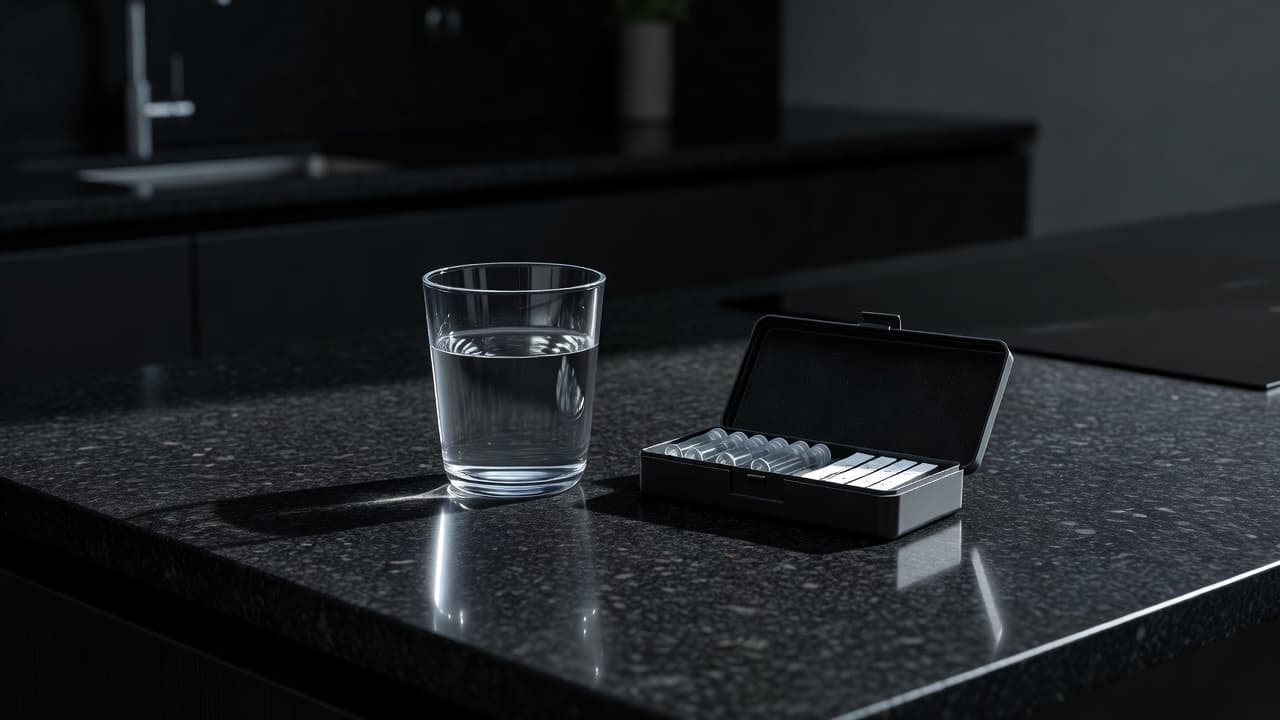
- Test the water. Ask for iron, manganese, copper, pH, hardness, and bacteria if the well has not been tested recently.
Taste is a clue, not a diagnosis. Testing is the part that tells you what to do next.
Taste alone can't confirm safety, and it can't tell you which metal or mineral is responsible. Water testing is the best way to identify the source, because the result shows what's actually in the sample, not just what your tongue notices.
If the water also has a rotten egg smell, the problem may be different. Smell and taste often travel together, but they don't always come from the same cause. A simple lab test keeps you from fixing the wrong issue.
Matching the Treatment to the Cause
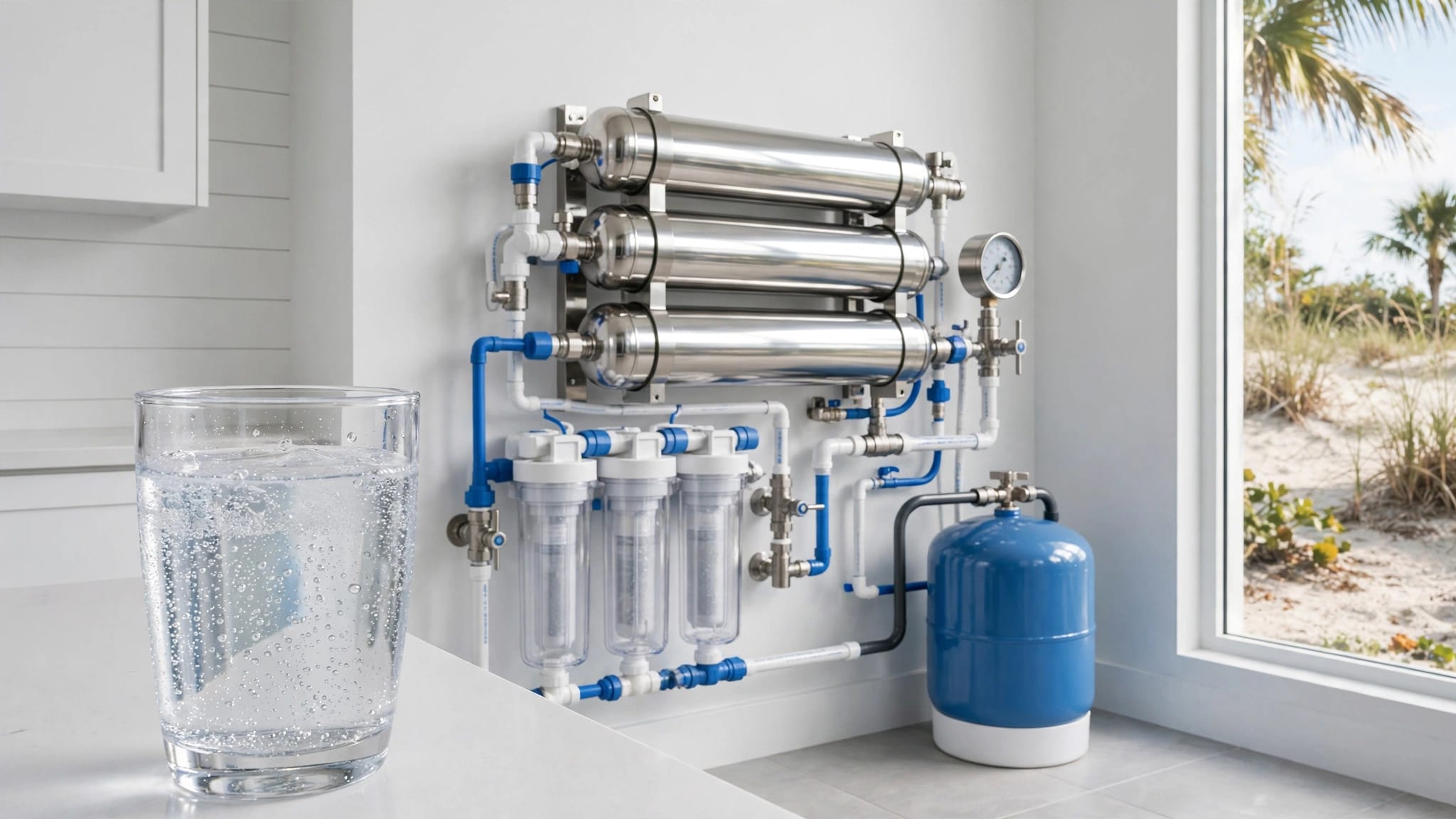
The right fix depends on what the test shows. Iron and manganese often need oxidation and filtration. Hard water may call for a softener or conditioning system. If the problem is mostly at the kitchen sink, a point-of-use reverse osmosis system may make sense for drinking water.
For many homeowners, water conditioning for well water is the first step when the test points to minerals. That approach can improve taste, reduce staining, and protect fixtures at the same time.
Corrosion needs a different answer. Replace worn pipes or fittings, flush or service the water heater, and correct acidic water if pH is low. Otherwise the metal taste can keep coming back, even after you change one filter.
A good treatment plan matches the cause, not the complaint. A filter made for iron won't fix a corroded pipe. A pipe repair won't remove dissolved iron. When the source is clear, the fix gets a lot simpler.
The Bottom Line on Metallic Well Water
Metallic well water is usually a sign, not a mystery. The taste often comes from minerals in the aquifer, but it can also come from corroded plumbing or acidic water.
The fastest path is simple, check when the taste changed, test the water, and match the fix to the result. That keeps you from treating the symptom while the real cause stays in the system.
Once you know what is in the water, the right treatment is easier to choose and easier to trust.
Latest posts
Read Our Blog
Tips, guides, industry best practices, and news.


Contact us
Get in touch
Our friendly team is ready to chat.