
Iron Bacteria Well Water: Signs and Treatment Options
If your well water suddenly develops orange slime, musty odors, or clogged fixtures, iron bacteria may be involved. When iron bacteria well water problems appear, cleaning the stain rarely solves the cause.
These organisms can live inside the well, pressure tank, pipes, and treatment equipment. They usually aren't considered a direct health threat, but they can create serious plumbing and water-quality problems. Testing should come before you choose a treatment system.
Iron Bacteria Well Water: What It Means
Iron bacteria are naturally occurring microorganisms that use dissolved iron or manganese for growth. As they multiply, they produce a sticky biofilm that collects inside pipes, tanks, filters, and well components.
The buildup may look orange, reddish-brown, yellow, or gray. In some cases, it has a stringy or gelatinous texture. The color comes from iron deposits, while the slime comes from the bacterial growth and its surrounding biofilm.
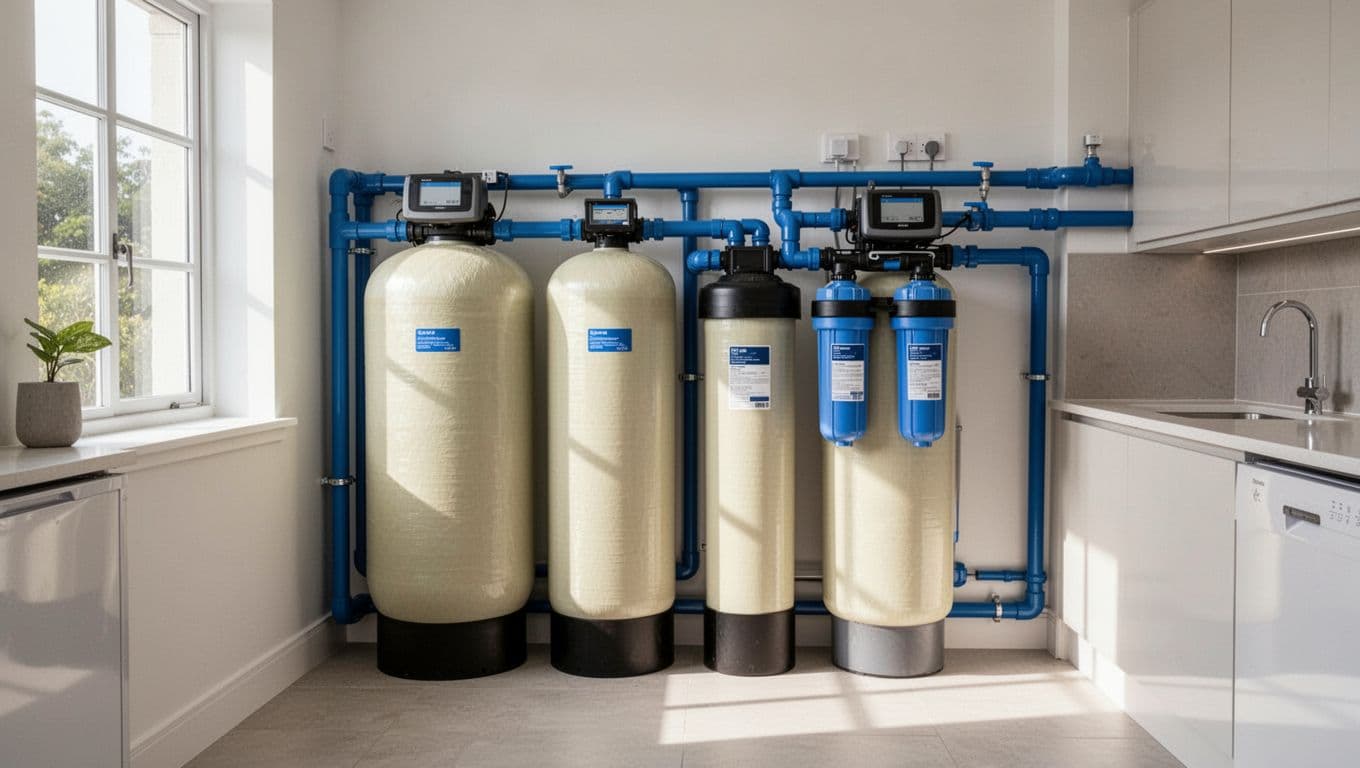
Iron bacteria aren't the same as dissolved iron. Dissolved iron can cause metallic taste, rusty stains, and discolored water without producing a slimy mass. A rust-colored stain alone doesn't confirm an iron bacteria infestation.
The bacteria can also coexist with other water problems. Hardness, manganese, hydrogen sulfide, low pH, sediment, and coliform bacteria may appear in the same well. Because these issues need different solutions, treating only the visible stain can leave the main problem in place.
A change in water quality after well repairs, flooding, pump work, or a long period of low use deserves attention. Those events can disturb sediment and biofilm inside the well system.
Common Signs of Iron Bacteria in Well Water
Iron bacteria often reveal themselves through several symptoms rather than one isolated clue. Look for changes at faucets, toilets, filters, and other fixtures.
The most common signs include:
- A slimy orange, brown, or rust-colored material inside toilet tanks, faucet aerators, or filter housings.
- Mud-like or stringy deposits that return soon after cleaning.
- Musty, swampy, oily, or earthy odors at the tap.
- Rust-colored water that appears after the water sits unused.
- Reduced flow caused by buildup inside screens, valves, pipes, or treatment equipment.
- Filters that clog faster than expected.
- Staining that continues even after installing a basic sediment filter.
- A coating inside the pressure tank or other well components.
A sulfur or rotten-egg smell often points to hydrogen sulfide or sulfur bacteria. Iron bacteria can occur at the same time, but odor alone can't identify the cause.
Water may also look clear when it leaves the faucet and turn orange after exposure to air. That pattern often indicates dissolved iron oxidizing after it reaches the glass or fixture. If a slimy deposit forms as well, bacteria may be contributing.
Pay attention to timing. If the problem occurs only after heavy water use, sediment or well drawdown may be involved. If it returns continuously after cleaning and disinfection, the well or plumbing may contain an established biofilm.
How to Test for Iron Bacteria and Other Well Problems
Start with laboratory testing before buying an iron filter, softener, or disinfection system. A home test strip can provide a rough reading for some contaminants, but it won't identify the full treatment need.
Collect a sample from an untreated tap, if your plumbing has one before the softener, filter, or other equipment. Use the laboratory's sterile bottle and follow its collection instructions. Don't use a garden hose or an unclean container.
Ask the lab or water professional about testing for:
- Total and dissolved iron.
- Manganese.
- pH and hardness.
- Turbidity and sediment.
- Sulfur or hydrogen sulfide concerns.
- Total coliform and E. coli bacteria.
- Iron bacteria, if the lab offers a dedicated analysis.
Iron bacteria testing isn't included in every standard well-water panel. A laboratory may use culture methods, microscopy, or other procedures. The test can support the diagnosis, but the physical condition of the well system also matters.
Test both untreated and treated water when possible. Comparing the two samples can show whether the current equipment is removing iron, adding contamination, or allowing buildup to pass through.
Private-well owners should also test after flooding, repairs, changes in taste or odor, or a sudden drop in water pressure. Read the complete report rather than focusing on one iron result. This guide to reading a Florida well water test report can help you understand how iron relates to pH, hardness, manganese, and other findings.
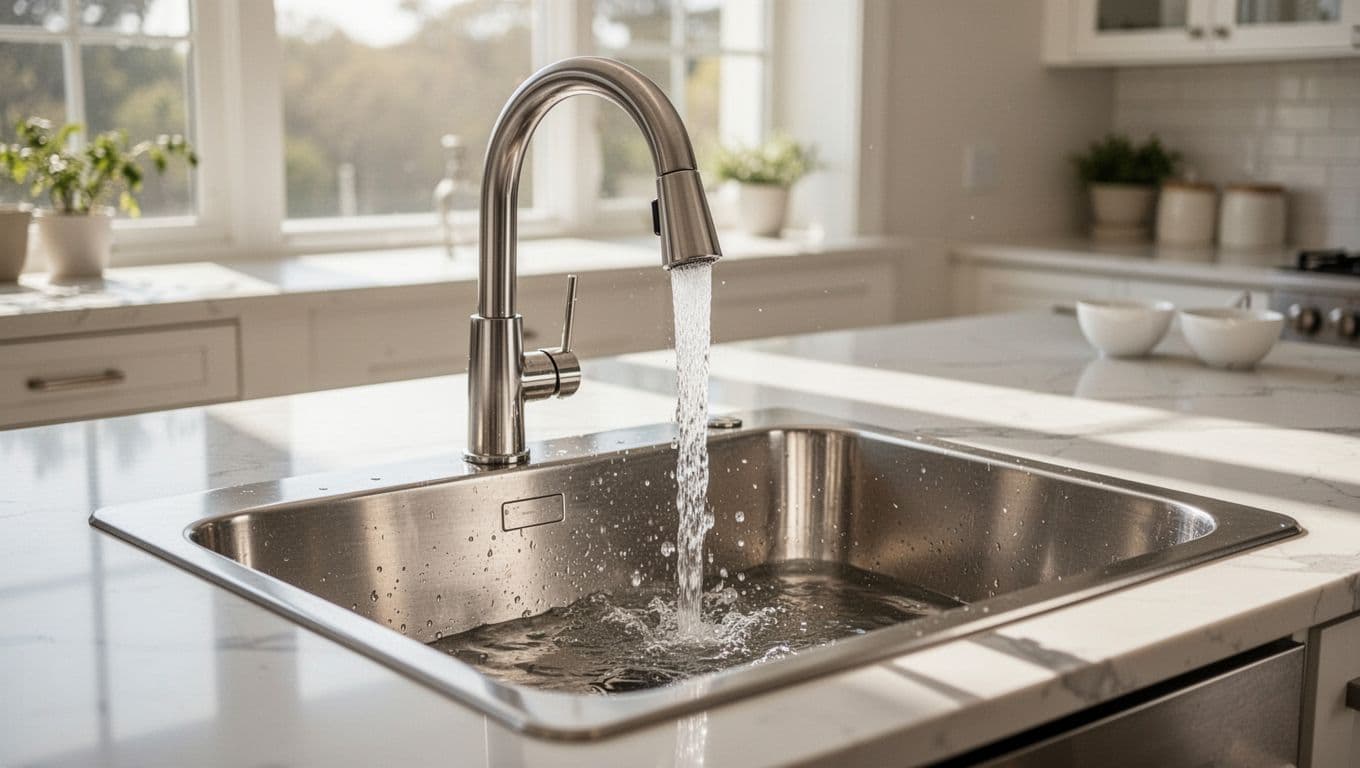
Iron Bacteria Well Water Treatment Options
Treatment depends on where the bacteria are growing and what the laboratory finds. A system that removes dissolved iron may not remove an established colony inside the well.
Shock chlorination
Shock chlorination introduces a strong chlorine solution into the well and plumbing. The process can reduce bacteria and break down some organic buildup when performed correctly.
However, shock chlorination may provide temporary control . If the bacteria remain in the well, drop pipe, pressure tank, or household plumbing, the slime and odor can return. Repeated shock treatments without finding the source may damage equipment and create an ongoing cycle of treatment.
Never guess at the chlorine amount. Well depth, water volume, plumbing length, and product strength affect the procedure. Follow the product label and well contractor instructions.
Don't mix chlorine with acids, ammonia, vinegar, or other cleaners. Bypass or protect treatment equipment according to the manufacturer's directions, and don't use the water until the system has been flushed and tested as instructed.
Professional well rehabilitation
Persistent iron bacteria well water problems may require professional well rehabilitation. A qualified well contractor can inspect the well, evaluate the casing and screen, remove deposits, and determine whether the well needs mechanical cleaning or other approved procedures.
Rehabilitation can include brushing, surging, airlifting, or carefully selected chemical treatment. The right method depends on the well's construction and condition. A contractor may also inspect the pump, drop pipe, pressure tank, and well cap.
This step matters when bacteria keep returning after disinfection. Treating only the house plumbing won't solve growth inside a contaminated or heavily fouled well.
Filtration and continuous disinfection
After the well is cleaned, the water may still need treatment for iron, manganese, sediment, odor, or bacteria. Common system designs include:
- An oxidizing iron filter for certain forms and concentrations of dissolved iron.
- An air-injection system that exposes water to oxygen before filtration.
- A chemical injection pump with a contact tank and carbon filtration.
- A hydrogen peroxide system for selected iron and odor conditions.
- A sediment filter to catch particles and loosened deposits.
These systems have different operating requirements. An iron filter may need regular backwashing. A chemical system requires monitoring and replenishment. Carbon filters can remove residual chlorine after contact time, but they can also become clogged if sediment and iron aren't addressed first.
A water softener may reduce some dissolved iron within the manufacturer's limits. It isn't a disinfectant and won't remove an iron bacteria colony. Ultraviolet treatment also doesn't remove iron, slime, or sediment. UV may disinfect clear water after pretreatment, but it isn't a stand-alone solution for this problem.
If your home uses reverse osmosis, remove iron before water reaches the membrane. Well water iron removal before whole-house RO treatment can prevent iron fouling and help protect the system.
How to Choose the Right Treatment System
Don't select equipment from the iron concentration alone. A properly sized system must match the water chemistry, well output, household demand, and maintenance capacity.
| Water condition | Treatment that may fit | Important limitation |
|---|---|---|
| Dissolved iron with little or no slime | Oxidizing or air-injection iron filter | Performance depends on pH, iron form, and concentration |
| Recurring slime, odor, or bacterial growth | Well disinfection, rehabilitation, or continuous disinfection | Filtration alone may not remove the source |
| Iron with hardness and scale | Iron treatment followed by a softener when appropriate | A softener isn't a bacteria treatment |
| Iron and sediment entering the home | Sediment prefilter plus iron treatment | Filters need regular cleaning or replacement |
| Drinking-water concerns after pretreatment | Point-of-use reverse osmosis | RO shouldn't receive untreated, iron-heavy water |
The system also needs enough flow for filtration and backwashing. A filter can have the right media capacity and still fail if the well pump can't deliver the required flow. Check well pump flow rate for water treatment systems before purchasing equipment.
A water-treatment professional should review the laboratory report, measure flow and pressure, and confirm drain and electrical requirements. Proper sizing reduces pressure loss and prevents treatment tanks from backwashing poorly.
Preventing Recurring Iron Bacteria Problems
Keep the well cap sealed and in good condition. Make sure surface water drains away from the casing, and avoid storing fuel, fertilizers, pesticides, or other chemicals near the well.
After repairs or disinfection, inspect filters and faucet aerators for returning buildup. Replace sediment cartridges on schedule, and maintain chemical pumps, contact tanks, and backwashing equipment according to the manufacturer's instructions.
Annual testing is a sensible baseline for private wells. Test sooner after flooding, pump replacement, plumbing repairs, or any sudden change in taste, smell, color, or pressure.
Conclusion
Orange slime and recurring rust stains can point to iron bacteria, but they can also come from dissolved iron or another water-quality issue. Laboratory testing helps separate these problems before you invest in treatment.
Shock chlorination may offer short-term control, while persistent growth can require well rehabilitation and a properly sized filtration or disinfection system. The most reliable solution for iron bacteria well water starts with identifying the source, protecting your equipment, and matching treatment to the complete water test.
Latest posts
Read Our Blog
Tips, guides, industry best practices, and news.

Contact us
Get in touch
Our friendly team is ready to chat.