
Private Well Inspection: Tests to Run Before You Buy
A clean kitchen tap can hide a costly well problem. A private well inspection should look beyond the faucet and confirm that the water source, pump, pressure system, and treatment equipment are safe and usable.
A standard home inspection is a useful starting point, but it may not include laboratory water analysis or a measured well-yield test. Before inspection or financing deadlines pass, arrange a qualified well evaluation and a certified lab test, then use the results to address repairs or treatment.
What a private well inspection should cover
A home inspector often checks visible plumbing, the well cap, pressure tank, electrical connections, and treatment equipment. That review can identify leaks, corrosion, unsafe wiring, or obvious damage. However, a standard home inspection does not fully assess private well performance or drinking-water safety unless those services are part of the written scope.
A complete private well inspection usually involves a well contractor or another qualified professional who can evaluate the pump, pressure switch, storage tank, wellhead, and accessible piping. Ask what the service includes before booking it. Some evaluations focus on equipment, while others add a water sample, flow test, or review of the well record.
Review the well's history with the seller. Useful records include the construction or completion report, permit information, pump installation date, repair invoices, previous water tests, and documentation for filters or softeners. A missing record doesn't prove the well is defective, but it gives you less information about its age and maintenance.
Walk the property with the inspector. Look for a damaged or loose well cap, pooling water near the wellhead, drainage that runs toward the well, fuel or chemical storage nearby, and signs of flooding. Also ask the local health department or well professional about applicable separation distances and local concerns involving septic systems, abandoned wells, agricultural activity, or nearby industrial sites. Those standards and risks vary by location.
A well that supplies water today can still fail a demand test. The pump may run, yet the well may recover slowly or the pressure tank may cycle too often. Testing performance matters as much as checking whether the faucet turns on.
Essential water tests for a private well
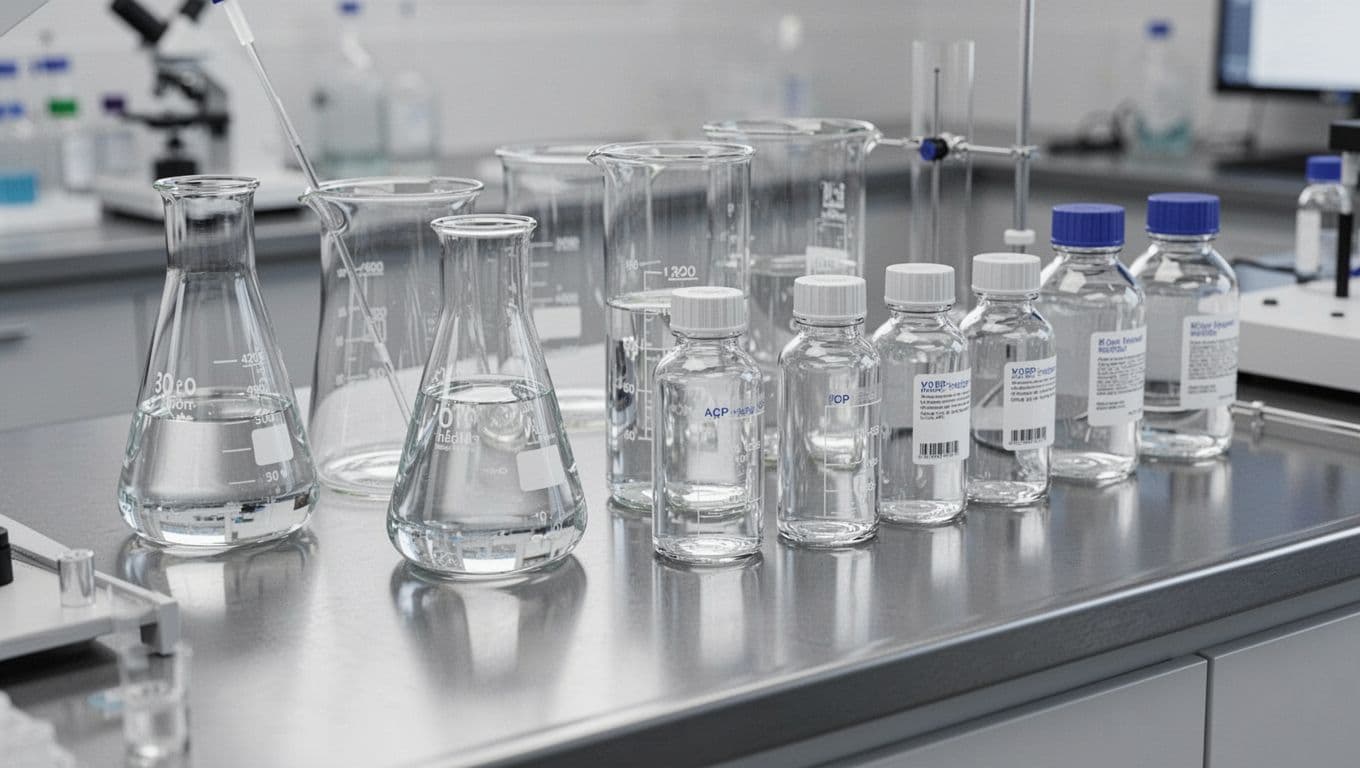
Water quality requires a laboratory sample, not a visual inspection. Use a laboratory certified or approved for drinking-water analysis in your area. Follow its bottle, flushing, preservation, and shipping instructions because poor collection can produce a misleading result.
Collect the sample correctly
Ask whether the lab wants raw water before treatment, treated water at the kitchen tap, or both. A softener, carbon filter, or reverse osmosis unit can change the sample. Testing both points can show the condition of the well and the performance of equipment the buyer may inherit.
The lab may provide separate bottles for bacteria, metals, or chemical testing. Don't rinse them with tap water or transfer samples between containers. Follow the lab's instructions for removing faucet aerators, flushing lines, keeping samples cold, and delivering them within the required time.
Choose the panel based on the property
The right test panel depends on location, well depth, nearby land uses, flooding, past repairs, and earlier results. These tests are common starting points:
| Test | What it can reveal | Why it matters |
|---|---|---|
| Total coliform bacteria and E. coli | Indicators of bacterial contamination or a sanitary pathway | E. coli requires prompt safety guidance and follow-up |
| Nitrates/nitrites | Possible effects from fertilizer, septic systems, or other sources | High nitrate levels can pose a serious risk, especially for infants |
| Arsenic | Naturally occurring contamination in some groundwater | Long-term exposure can harm health |
| Lead | Plumbing, fixtures, or corrosion problems | Lead can enter water after it leaves the well |
| pH | Acidity or alkalinity | Low pH can increase corrosion and metal leaching |
| Hardness, iron, and manganese | Scale, staining, odor, and treatment concerns | These affect plumbing, fixtures, laundry, and equipment |
| Local contaminants | Chloride, salinity, sulfide, pesticides, volatile organic compounds, or PFAS where relevant | Testing should reflect the property's setting and history |
No single panel fits every property. A coastal home may warrant chloride or salinity testing. A property near agricultural land may need pesticide or nitrate guidance. Fuel tanks, dry-cleaning sites, or industrial activity can justify testing for volatile organic compounds. Ask the local health department or lab which additional contaminants fit the address.
For a Florida property, interpreting well water test results can help separate health concerns from hardness, iron, sulfur odor, and staining. Treatment should match the result. A water softener targets hardness, while reverse osmosis addresses a different group of dissolved substances.
A clear glass of water doesn't prove a well is safe. Bacteria, nitrate, arsenic, and lead can be present without an obvious taste, smell, or color.
If a sample detects total coliform or E. coli, ask the lab or health department for disinfection and retesting instructions. Don't assume an existing filter has solved the problem. When chemical contamination appears, follow the lab's guidance and avoid choosing equipment based on a single sales claim.
Check pump performance and treatment equipment
A water analysis tells you what's dissolved in the sample, but it doesn't tell you whether the system can supply a shower, washing machine, irrigation demand, or treatment cycle. During a private well inspection, have a qualified professional record static pressure, operating pressure, pump flow, and recovery where practical.
Measure flow before sizing treatment
A pump can deliver water at a reasonable rate while the well itself recovers slowly. The technician should watch pressure behavior, pump cycling, and water recovery during the test. Frequent short cycling can point to a pressure-tank or control problem, while weak flow may indicate pump wear, a clogged component, or limited well production.
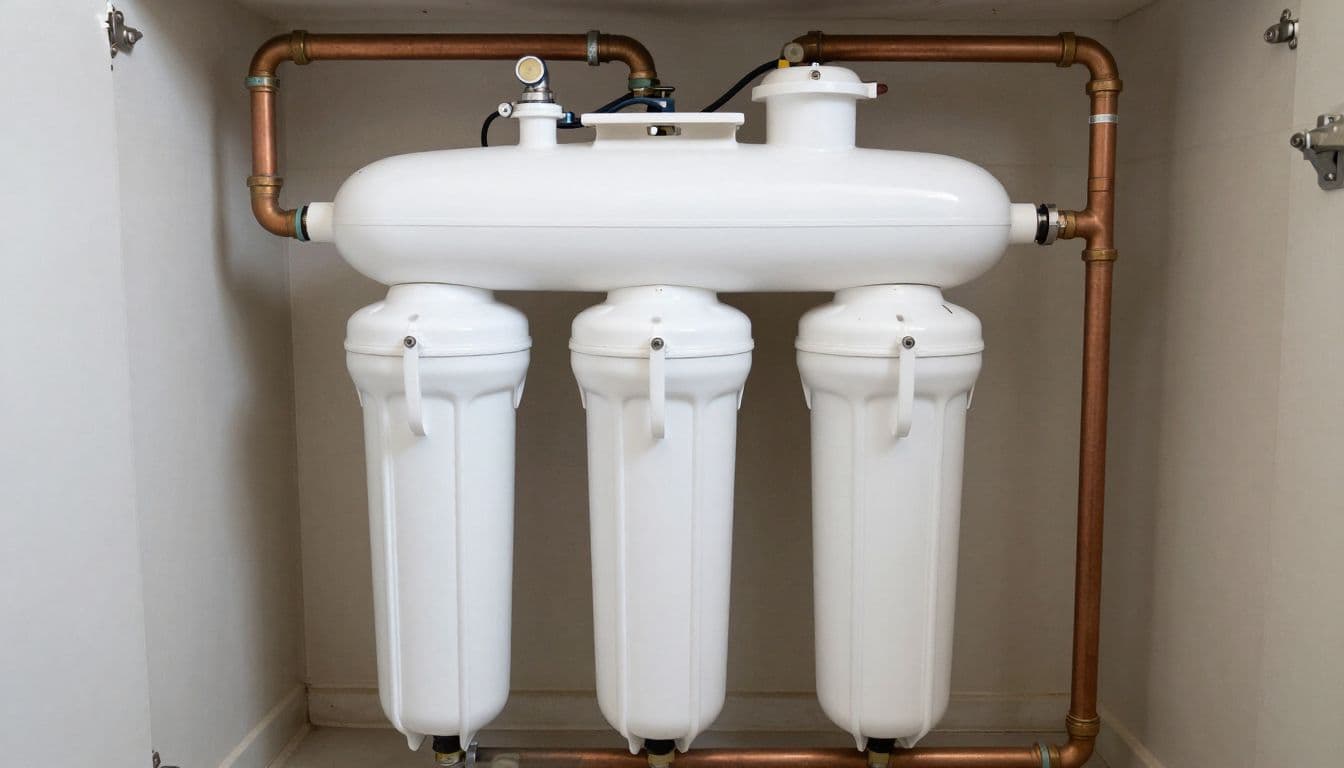
Measured output also matters if you plan to install filtration. Backwashing iron or manganese filters can require a set flow rate. Reverse osmosis systems need suitable feed pressure and a proper drain connection. Before buying equipment, compare the measured results with the manufacturer's specifications and review well pump flow rate for filtration.
Don't open electrical panels or adjust pressure controls without the right training. A well system combines water, electricity, pressure, and buried equipment, so testing belongs with a qualified professional.
Review any existing treatment system
Record the make, model, age, service history, and condition of every tank or filter. Check whether the system has a bypass, a working drain line, a full salt tank if applicable, and replacement dates for cartridges, membranes, ultraviolet bulbs, or other consumables.
An installed treatment unit isn't proof that the water meets your needs. It may be undersized, poorly maintained, or designed for a different water problem. If the lab report shows hardness, high dissolved solids, or another concern, compare well water softeners and RO systems before accepting the seller's existing setup.
Turn the results into a closing checklist
Complete these steps before your inspection contingency or other purchase deadlines expire:
- Ask the seller for well construction records, permits, pump invoices, treatment records, and earlier lab reports.
- Hire an independent well professional and confirm that the written scope includes equipment, pressure, flow, and recovery checks.
- Order water testing through a qualified drinking-water laboratory, using the lab's containers and collection instructions.
- Test raw well water, treated water, or both based on the lab's recommendation and the equipment installed at the home.
- Add location-specific tests when the property history suggests concerns involving agriculture, septic systems, flooding, fuel, industry, or coastal salinity.
- Request written estimates for repairs, well rehabilitation, pump replacement, disinfection, or treatment equipment.
- Put agreed repairs, retesting, credits, or treatment work into the purchase contract rather than relying on a verbal promise.
Requirements differ by state, county, lender, and purchase contract. Some transactions require a particular water test, while others don't. No universal testing panel applies to every private well, so ask your closing professional and local health department which rules apply to the property.
If bacteria are detected, follow local guidance about disinfection and repeat sampling before drinking the water. Boiling can address many microbes, but it doesn't remove nitrate, arsenic, or lead. Prolonged boiling can also increase nitrate concentration as water evaporates. If a chemical result concerns you, use an approved alternative water source until a qualified professional provides clear guidance.
An older seller-provided report can help, but it shouldn't replace current testing. Water quality can change after flooding, well repairs, pump work, or changes in nearby land use. A recent sample gives you a stronger basis for the purchase decision.
Make the well part of the home-buying decision
A home with a private well includes an underground water source, a pump, pressure equipment, and possibly several treatment devices. A private well inspection and laboratory test examine different parts of that system, so completing only one leaves important questions unanswered.
Check both safety and performance before you commit. A clear tap, a working pump, or an old water report cannot tell the whole story. Current test results, professional measurements, and written repair terms give you the information needed to buy with fewer surprises.
Latest posts
Read Our Blog
Tips, guides, industry best practices, and news.
Contact us
Get in touch
Our friendly team is ready to chat.