
Why Well Water Leaves White Scale on Fixtures
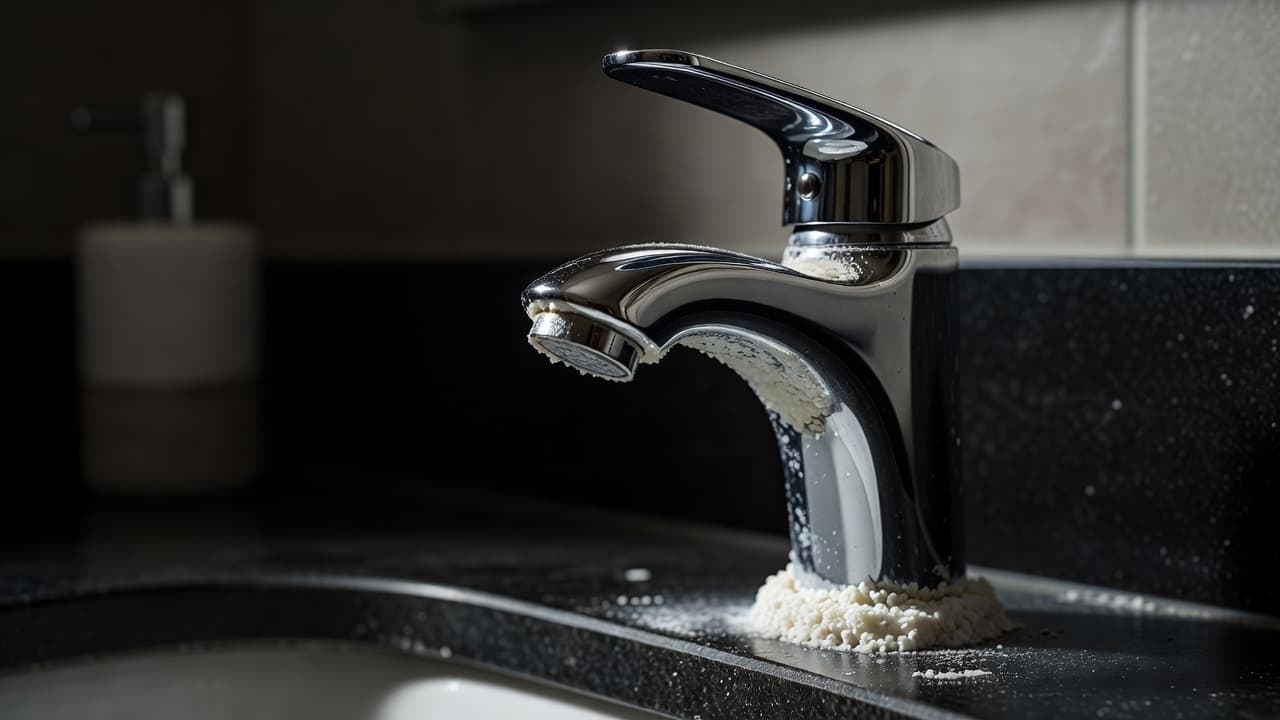
You wipe a faucet clean, step away, and the white crust comes right back. That chalky film is one of the most common signs of well water scale in a home.
The water itself usually is not the problem. Hard water carries dissolved minerals, then leaves them behind when it dries. Over time, those minerals cling to sinks, showerheads, and appliances, where they harden into scale.
What white scale is made of
White scale is usually calcium and magnesium residue. Those minerals dissolve in the water as it moves through soil and rock. When the water reaches a fixture and evaporates, the minerals stay behind.
At first, the residue looks like a thin white film. Later, it turns rough and chalky. If it sits long enough, it can feel almost crusty. That is why a faucet can look clean right after wiping, then show spots again after the next use.
Heat makes the buildup worse. Warm water evaporates faster, so minerals have less time to stay in solution. That is why showerheads, sink spouts, and water heaters often show scale first.
The surface matters too. Chrome, glass, tile, and polished metal make deposits easy to spot. Porous finishes can hide buildup for a while, but the minerals are still there. A cleaner may remove the top layer, yet the rough patch often comes back unless the water issue is fixed.
Why well water leaves it behind
Well water often picks up more minerals than city water because it moves through underground rock and soil. The exact mix depends on the aquifer, but calcium and magnesium are the main cause of hardness.
In other words, the water is carrying a mineral load from the ground. Once that water dries on a sink, shower door, or faucet, the minerals stay put. The result is the white film people notice around drains, handles, and spray nozzles.
Well systems do not remove hardness on their own. Unless a home has a softener or conditioner, the minerals keep moving through the plumbing. That is why the same spot can keep getting cloudy or crusted no matter how often it is cleaned.
Water temperature and usage also affect how fast scale shows up. A bathroom faucet that gets used all day may show deposits faster than a guest sink. A water heater can build scale even faster because the water is heated before it leaves the tank.
A home with hard water may show more than one clue. Look for these signs:
- White spots on faucets, shower doors, and dishes.
- Soap that does not lather well.
- Film on shower walls and tile.
- Laundry that feels stiff or looks dull.
- Dry skin or hair after bathing.
- Low water flow from showerheads or faucet aerators.
When several of these show up together, hard water is likely part of the problem. A simple hardness test can confirm it.
Fixtures and appliances that take the hit
White residue usually shows up where water sits, splashes, or heats up. Bathrooms, kitchens, and utility rooms usually show the first signs.
Faucets collect deposits around the aerator and base. Showerheads clog as tiny openings get smaller. Water heaters are hit even harder, because heat pushes minerals out of the water and leaves them on the tank or heating elements. Dishwashers, washing machines, and coffee makers can also lose efficiency when scale builds inside them.
Scale is more than a cosmetic issue. A showerhead with mineral buildup sprays unevenly and may feel weak. A faucet with a clogged aerator can spit and splash. A water heater with heavy scale can use more energy to heat the same amount of water, and it may start making popping or rumbling sounds.
The damage grows slowly, so it is easy to ignore at first. Still, deposits that look harmless on the outside can be doing the most damage inside the appliance. That is why homes with hard well water often need both cleaning and treatment.
How to remove scale and keep it down
Routine cleaning works best when deposits are still light. For many fixtures, vinegar or citric acid loosens fresh scale. Let it soak, wipe it away, then rinse well. On showerheads, remove the head if you can, clean the nozzles, and flush the openings before reinstalling it.
Drying matters too. Wiping fixtures after use slows the next round of buildup, especially on chrome and glass. It takes less time than scrubbing heavy deposits later, and it keeps spots from turning into rough crust.
A few habits help most:
- Clean faucet aerators before they clog.
- Soak showerheads on a regular schedule.
- Avoid abrasive pads on plated finishes.
- Flush water heaters according to the maker's directions.
- Use a soft cloth to dry sinks and visible fixtures after heavy use.
If white film returns quickly after cleaning, the water source is still feeding the problem.
Some cleaners work better than others on mineral deposits. Acid-based cleaners usually do more for scale than general bathroom spray. However, they should be used with care. Follow the label, rinse well, and keep harsh products away from natural stone or finishes that can etch.
A clean fixture without better water still gets dirty again. That is why maintenance helps, but it does not always solve the root issue.
When water treatment makes more sense
If the scale keeps returning, testing the water is the next smart step. A hardness test shows how much calcium and magnesium are in the water, and that number helps point to the right fix.
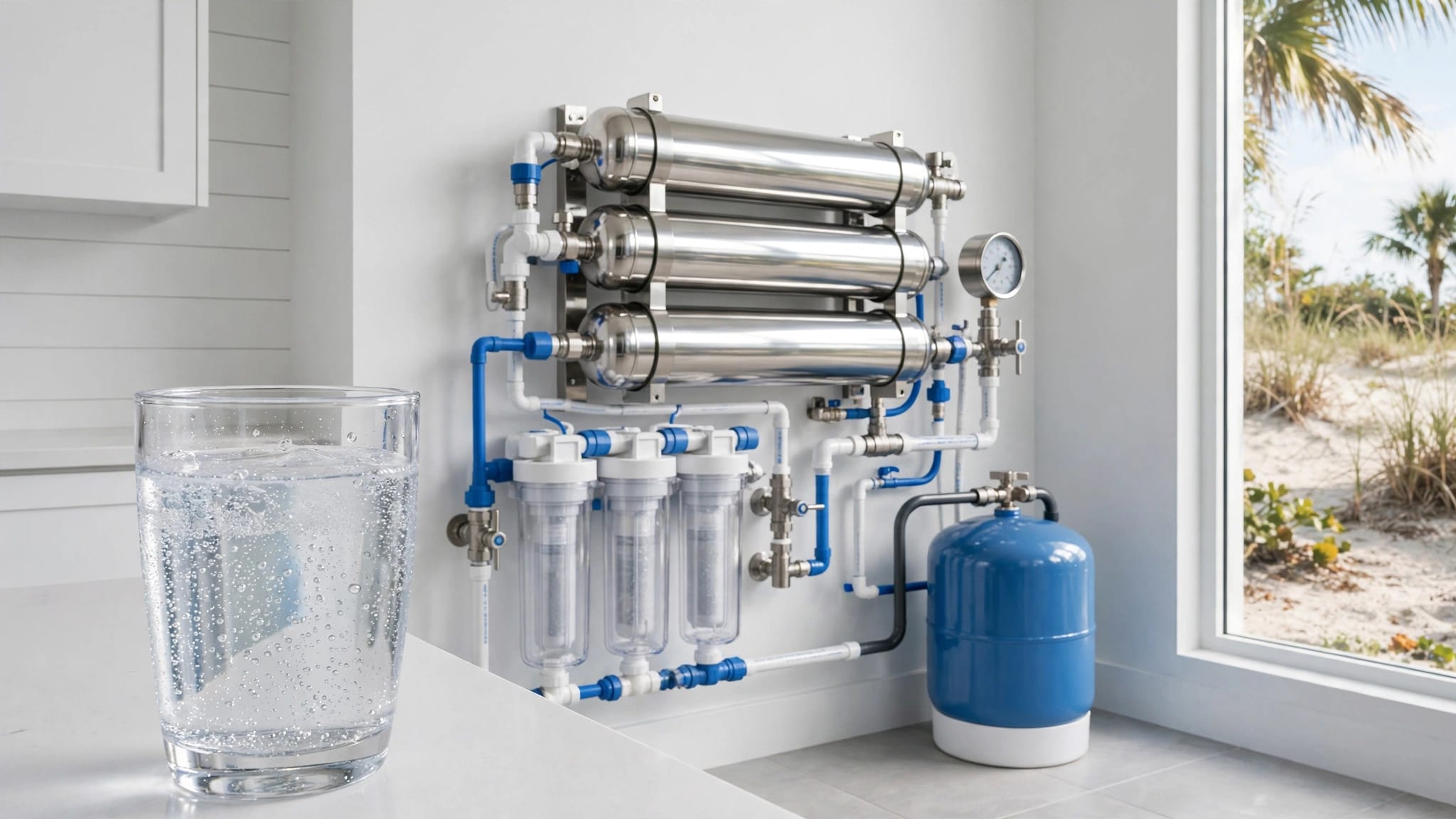
For many homes, a softener is the most direct solution because it treats the minerals that cause scale. If your well water also has sediment, iron, or taste issues, a filter or conditioning setup may be part of the answer too. professional water conditioning services can help match the system to the water, rather than guessing at the problem.
That matters because not every well problem looks the same. Some homes need hardness removal. Others need sediment control first. A few need both. If iron is present, it can leave its own stain and make the water look worse than it really is. When pressure drops, or if appliances keep clogging, a full water check is a better move than another round of cleaning.
A water treatment professional can also look at the whole system, not just one fixture. They can test the water, inspect the plumbing signs, and size equipment for the home's actual use. That helps prevent the common mistake of installing the wrong fix for the wrong problem.
Conclusion
White scale on fixtures is usually a hard water problem, not a sign that your plumbing is failing. The minerals in well water settle on surfaces as the water dries, then build up month after month.
If you keep wiping the same spots clean and the film keeps coming back, focus on the water itself. Routine cleaning helps, but hardness treatment is what breaks the cycle for good.
Latest posts
Read Our Blog
Tips, guides, industry best practices, and news.


Contact us
Get in touch
Our friendly team is ready to chat.