
How a Boil Water Advisory Affects Whole-House Systems
A boil water advisory can change how you use every faucet in your home, not only the kitchen tap. Water softeners, filters, reverse osmosis units, ice makers, and water heaters may all need attention while the notice remains active.
The reason for the advisory matters. Boiling can reduce many disease-causing organisms, but boiling water does not remove chemical contaminants . Your local water utility or health department will tell you whether to boil, avoid drinking the water, or stop using it altogether.
What a boil water advisory means for your home
A utility may issue a boil water advisory after a water main break, a loss of pressure, storm damage, treatment failure, planned repairs, or test results that suggest possible bacterial contamination. When pressure drops, outside water can enter through cracks or damaged connections. Repairs can also disturb sediment inside the distribution system.
Some notices cover a specific neighborhood, while others affect an entire service area. Read the advisory carefully for the affected addresses, approved uses, boiling instructions, and lifting notice. If you receive conflicting information, follow the most recent instructions from the utility or local health department.
A boil water advisory usually concerns microbial risk , such as bacteria, viruses, or parasites. A chemical spill, excessive mineral level, or other non-microbial problem may result in a "do not drink" or "do not use" notice instead. Boiling may concentrate some chemicals as water evaporates, so it isn't a substitute for official guidance.
When the notice calls for boiling, use bottled water or cold tap water brought to a rolling boil. Many public-health agencies advise boiling for at least one minute, but local instructions take priority. Let the water cool in a covered container before using it.
How whole-house water systems are affected
A whole-house system treats water as it enters the home, but it doesn't automatically override a public health warning. If contaminated water reaches the home's main line, the water entering the filter, softener, storage tank, and fixtures may still carry the same risk.
A sediment filter can capture particles, but it isn't a disinfectant. Activated carbon can improve taste and reduce certain chemicals, yet many carbon filters don't reliably remove disease-causing organisms. A water softener changes hardness minerals and does not make contaminated water safe to drink.
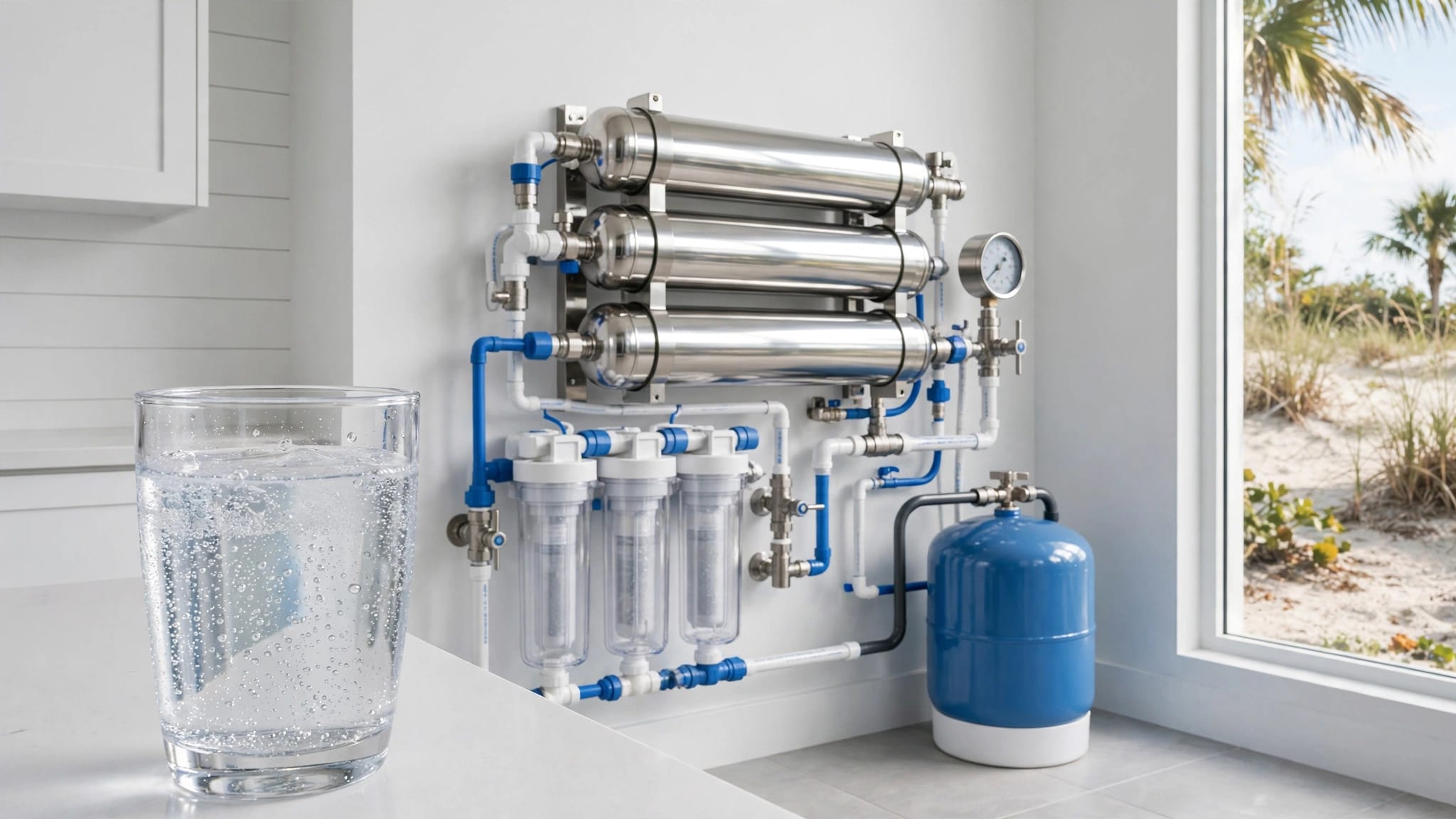
Reverse osmosis systems can reduce many dissolved substances, depending on the membrane, pretreatment, pressure, and maintenance. However, the system's design determines what it removes. A point-of-use RO unit also protects only the faucet it serves, not every fixture in the house.
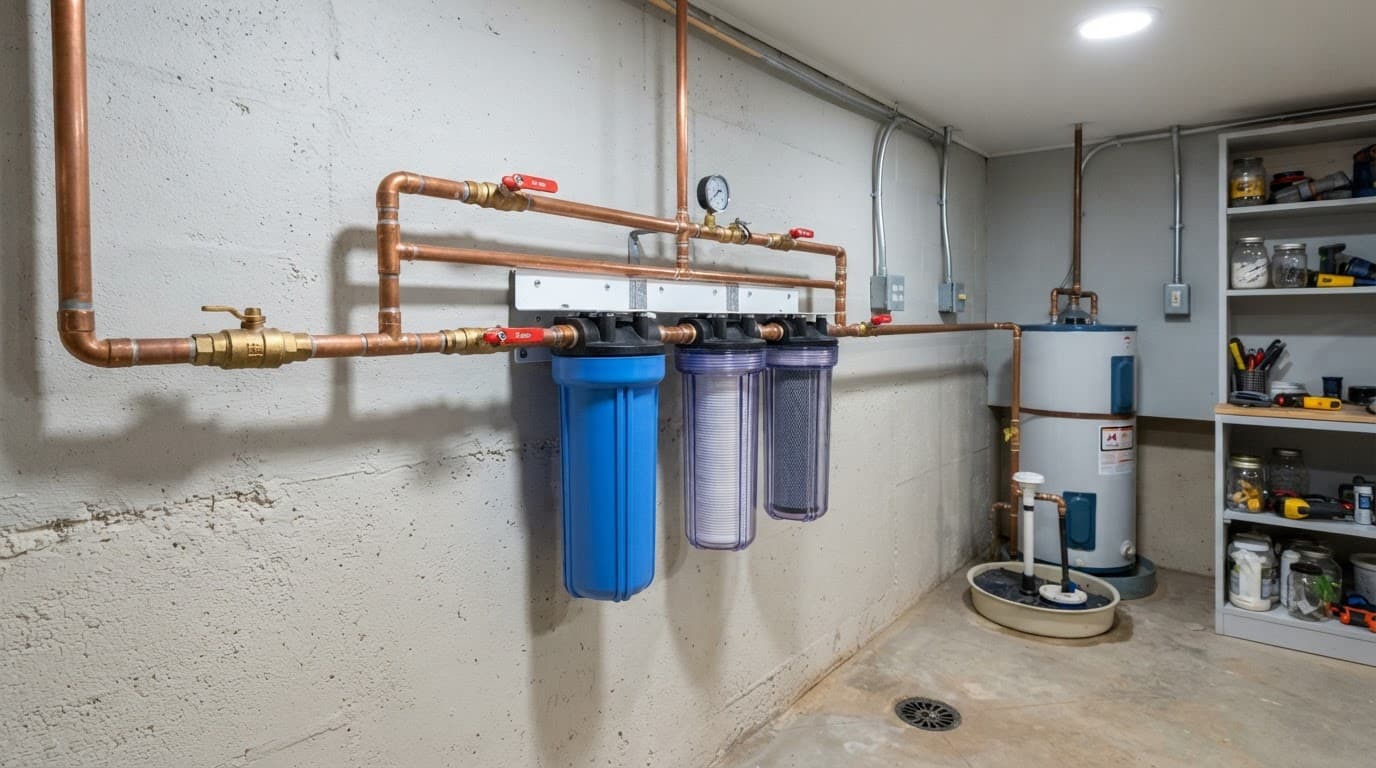
A UV unit can inactivate certain microorganisms when it receives the correct flow, power, and water quality. Turbidity, a failed lamp, a dirty sleeve, or an alarm can affect performance. Because equipment varies, don't assume that a filter, RO membrane, UV unit, or combination system makes tap water safe during an advisory.
A treatment system may improve water quality, but the utility's public-health notice still applies to the water entering your home.
What to do with filters, softeners, and RO equipment
Most homeowners shouldn't disconnect or bypass a whole-house water system automatically. Shutting equipment off can create a separate problem if it interrupts pressure, allows a tank to sit unused, or conflicts with the manufacturer's operating instructions.
Instead, check the system manual and contact the installer or service provider if the notice lasts more than a short period. Ask whether the unit should remain in service, whether it needs a sanitation procedure, and whether the media or cartridge should be replaced afterward.
A filter cartridge that handled questionable water may need replacement, but a new cartridge alone may not sanitize the housing, tubing, faucet, storage tank, or downstream plumbing. Don't pour bleach into an RO system, softener, filter, or UV unit unless the manufacturer provides a written procedure for that equipment.
Whole-house RO systems and their prefilters also need regular maintenance. If your home has an RO setup, review the recommended RO prefilter replacement schedule, especially after a main break, plumbing repair, storm event, or sudden change in water appearance.
A softener can usually continue its normal regeneration cycle unless the utility or manufacturer says otherwise. Still, treated water remains under the advisory. Softened water is not automatically safe for drinking, cooking, brushing teeth, making ice, or preparing infant formula.
Boil water advisory checklist for homeowners
During the notice, treat every affected tap as potentially unsafe for consumption. Use bottled water or properly boiled water for:
- Drinking, cooking, coffee, tea, and other beverages.
- Brushing teeth, rinsing contact lenses, and taking medicine.
- Making ice, washing produce, and preparing infant formula.
- Filling pet bowls, unless your veterinarian or local health guidance says otherwise.
Also take these steps:
- Turn off the refrigerator water dispenser and ice maker.
- Mark containers of boiled water with the date and keep them covered.
- Use cold water for boiling, then allow it to cool before use.
- Follow the notice before bathing children, infants, older adults, or anyone who may swallow bath water.
- Avoid using tap water in humidifiers, CPAP equipment, or other devices unless the instructions permit it.
- Keep untreated water away from open cuts and irritated skin when the notice gives that warning.
Adults may be allowed to shower during some advisories, but each notice has its own instructions. Don't swallow the water, and consider sponge bathing young children. If the notice says "do not use," stop all listed uses, including bathing and laundry.
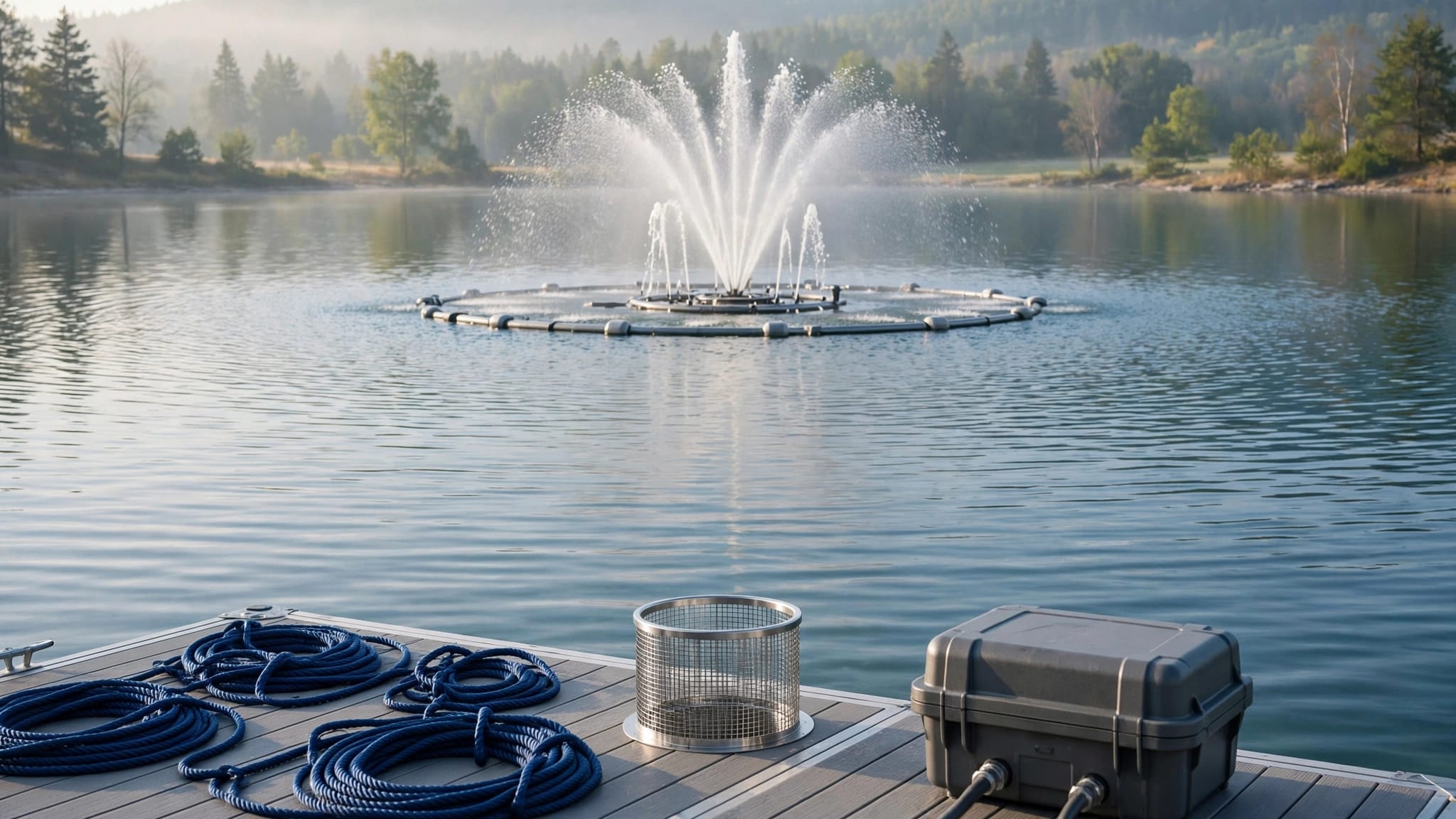
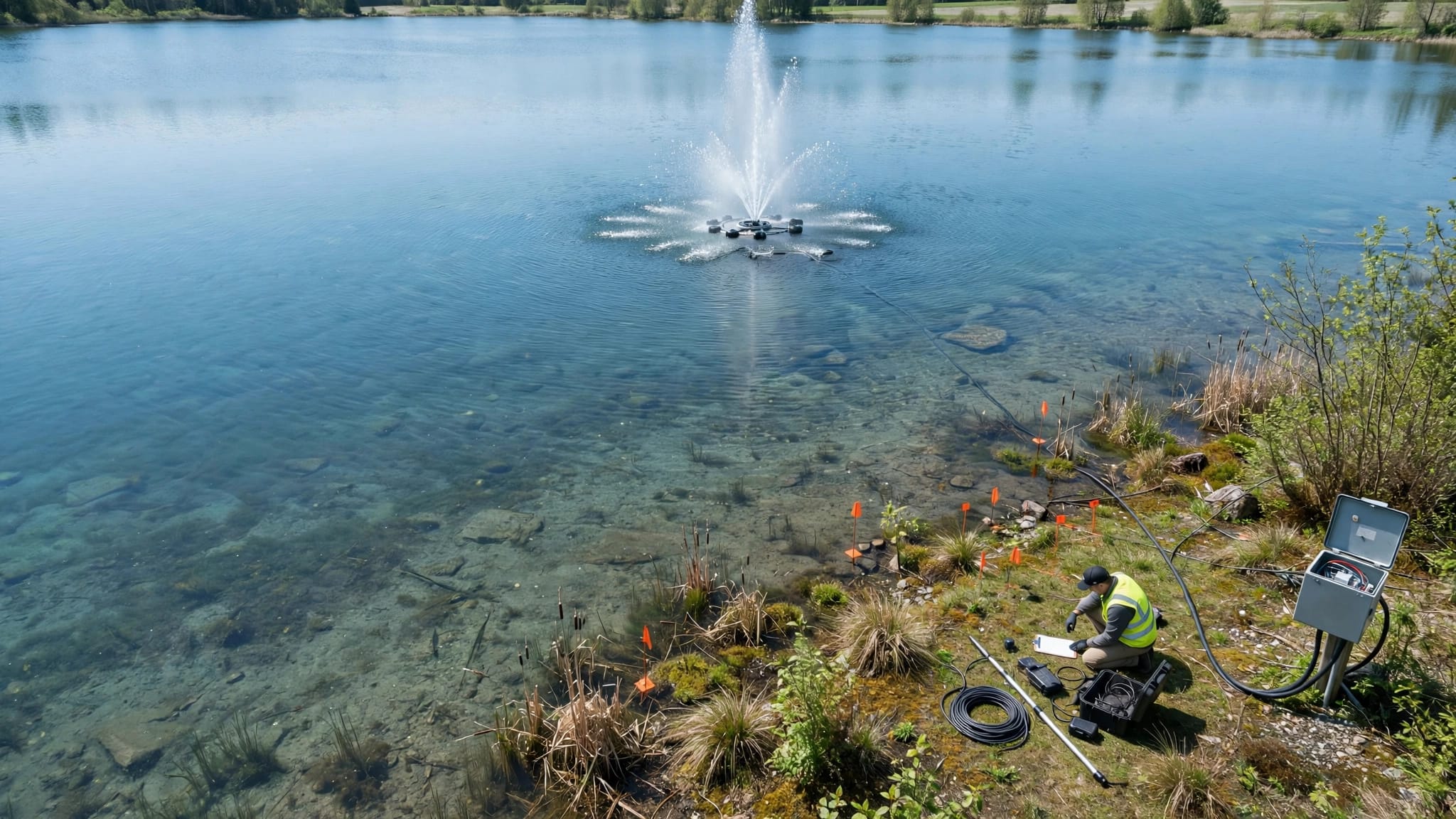
Don't use lake or pond water as a substitute for household drinking water. A decorative lake fountain can circulate and aerate outdoor water, but it doesn't make that water potable. Keep fountain water separate from the home's plumbing.
What to do after the advisory is lifted
Wait for the official all-clear. A social media post, clearer water, or normal pressure isn't enough. The utility may also provide flushing instructions for homes, appliances, and treatment equipment.
After the notice ends, use this order of operations:
- Read the utility's lifting notice and follow its required flushing time or procedure.
- Open cold-water faucets gradually, using the utility's recommended sequence.
- Flush toilets and run appliances according to their manuals and the local instructions.
- Remove faucet aerators and clean them if the utility recommends it.
- Run the refrigerator dispenser and discard the first batches of water and ice.
- Check filter housings, cartridges, RO tanks, and UV alarms for maintenance needs.
- Sanitize equipment only with the manufacturer's approved method.
Flush cold water until it runs clear and any unusual odor disappears, but don't waste large amounts of water when the utility gives a shorter procedure. Hot-water tanks can hold water that entered during the advisory. Ask the utility whether to flush the water heater, then follow the heater manufacturer's instructions.
If your system has a pressure drop, leaking housing, unusual taste, reduced flow, or a UV alarm after the event, stop relying on the treated water for consumption until the equipment receives an inspection. A service professional can check seals, cartridges, membranes, valves, tanks, and disinfecting steps.
Regular water conditioning upkeep in Naples can also help identify worn components before a water-quality event occurs. Maintenance doesn't prevent every advisory, but it gives the system a better chance of operating as designed.
Special considerations for private wells
A public water utility's boil water advisory doesn't automatically apply to a private well. However, a well owner may face similar risks after flooding, a power outage, a pressure loss, damage near the wellhead, or work on the well system.
Floodwater can carry microorganisms into a well, while plumbing repairs can introduce contamination into household lines. If your well sits in an area affected by flooding or an official health notice, contact the county health department or a qualified water professional before using the water for drinking.
Don't rely on taste, odor, or appearance to judge safety. A well can look normal and still contain harmful organisms or chemicals. Testing, disinfection, and follow-up testing should follow local health guidance and the requirements for your equipment.
If you use a whole-house filter, softener, RO system, or UV unit on a private well, keep maintenance records. Note cartridge changes, UV lamp replacements, sanitation work, pressure changes, and water-test results. Those details help a technician decide whether the problem is in the well, the treatment equipment, or the home's plumbing.
Conclusion
A boil water advisory affects more than the faucet where you fill a glass. Whole-house filters, softeners, RO units, UV systems, ice makers, storage tanks, and water heaters may all need careful handling because treatment equipment doesn't automatically cancel the warning.
Use boiled or bottled water for consumption only when local instructions call for it, and remember that boiling does not remove chemical contaminants. After the official all-clear, flush the plumbing and service treatment equipment according to utility and manufacturer guidance. Good records and timely maintenance make the next advisory easier to manage safely.
Latest posts
Read Our Blog
Tips, guides, industry best practices, and news.
Contact us
Get in touch
Our friendly team is ready to chat.