
Coliform Bacteria in Well Water: Treatment After a Positive Test
A positive coliform bacteria well water test can make every glass, meal, and shower feel uncertain. The result deserves prompt attention, but it doesn't automatically mean your water contains dangerous fecal bacteria.
Total coliform and E. coli results mean different things. Use a certified laboratory, follow local public-health guidance, and take practical steps before choosing a treatment system. Start by understanding what the test found and whether the sample may have been contaminated during collection.
Key Takeaways
- Total coliform bacteria suggest possible contamination, but they don't always indicate a direct sewage-related health risk.
- E. coli or fecal coliform requires faster action because it points to contamination from human or animal waste.
- Use bottled water or properly boiled water for drinking, cooking, ice, brushing teeth, and infant formula until officials or a follow-up test clear the supply.
- Shock chlorination can correct some contamination events, but it won't repair a damaged well or provide permanent protection.
- Retest with a certified laboratory after disinfection and fix the source before installing long-term treatment.
What a Positive Coliform Bacteria Well Water Test Means
Coliform bacteria are a broad group of organisms found in soil, plants, surface water, and the digestive tracts of animals and people. Their presence in a well sample can indicate that outside water or contamination entered the well or plumbing.
A total coliform result doesn't identify one single organism. It acts as a warning that the well or water system may not be properly protected. Possible causes include a loose well cap, cracked casing, poor drainage near the well, floodwater, a failing septic system, or contamination introduced while collecting the sample.
E. coli is a type of fecal coliform. Finding E. coli suggests that waste from people or animals reached the water. That result carries a more direct health concern because pathogens can travel with fecal contamination. Children, older adults, pregnant people, and anyone with a weakened immune system should take extra care.
One positive total-coliform result may also come from a sampling problem. The bottle might have been handled incorrectly, the faucet may have been dirty, or the sample may have sat too long before reaching the lab. Don't dismiss the result, but don't assume it tells the whole story either.
Your next step depends on the test report. Check whether it lists total coliform, fecal coliform, E. coli, or a numerical count. Then contact your county health department or local public-health office for instructions that apply to your area. Florida well owners can also review guidance on testing private well water in Florida, including recommended testing schedules.
What to Do After a Positive Well Water Test
Use this action checklist in order. Local health instructions take priority if they differ.
- Stop using the water for consumption. Until you receive clear guidance, use bottled water or water treated according to local instructions for drinking, cooking, making ice, brushing teeth, washing produce, and preparing baby formula. A standard pitcher filter isn't a reliable response to a confirmed bacterial contamination problem.
- Check the test details. Identify the bacteria reported and note the collection date. A total-coliform positive result usually calls for a repeat sample. E. coli or fecal coliform should prompt immediate contact with public health officials and a qualified water professional.
- Arrange a repeat sample through a certified laboratory. Ask the lab for its approved collection bottle and instructions. Don't rinse the bottle, touch its inside, or sample from a faucet with a filter or aerator unless the lab directs you to do so. Collecting a new sample correctly helps separate a sampling error from a continuing problem.
- Inspect the well and property. Look for a missing or damaged cap, standing water, cracks around the casing, exposed wiring openings, or soil that drains toward the well. Also check whether recent flooding, heavy rain, construction, livestock activity, or septic problems could have affected the water.
- Disinfect only with a suitable plan. A water professional can calculate the chlorine amount for the well depth, casing size, pressure tank, and household plumbing. Shock chlorination involves placing a disinfectant into the well, circulating it through the plumbing, allowing contact time, and flushing the system. Follow the product and local instructions carefully.
- Keep using an alternative water source until retesting confirms the result. Chlorine flushing can leave unsafe concentrations in the plumbing, and bacteria may return after an incomplete treatment. Don't resume normal consumption based on improved taste or smell alone.
The most common mistake is treating the well and skipping the follow-up test. A clear result confirms that the sample was clean at that time. It doesn't prove the well can never become contaminated again, so keep the report with your maintenance records.
A total-coliform result is a warning about the water system, while an E. coli result points to a more direct fecal contamination concern. The treatment response should match the result.
Treatment Options for Coliform Bacteria in Well Water
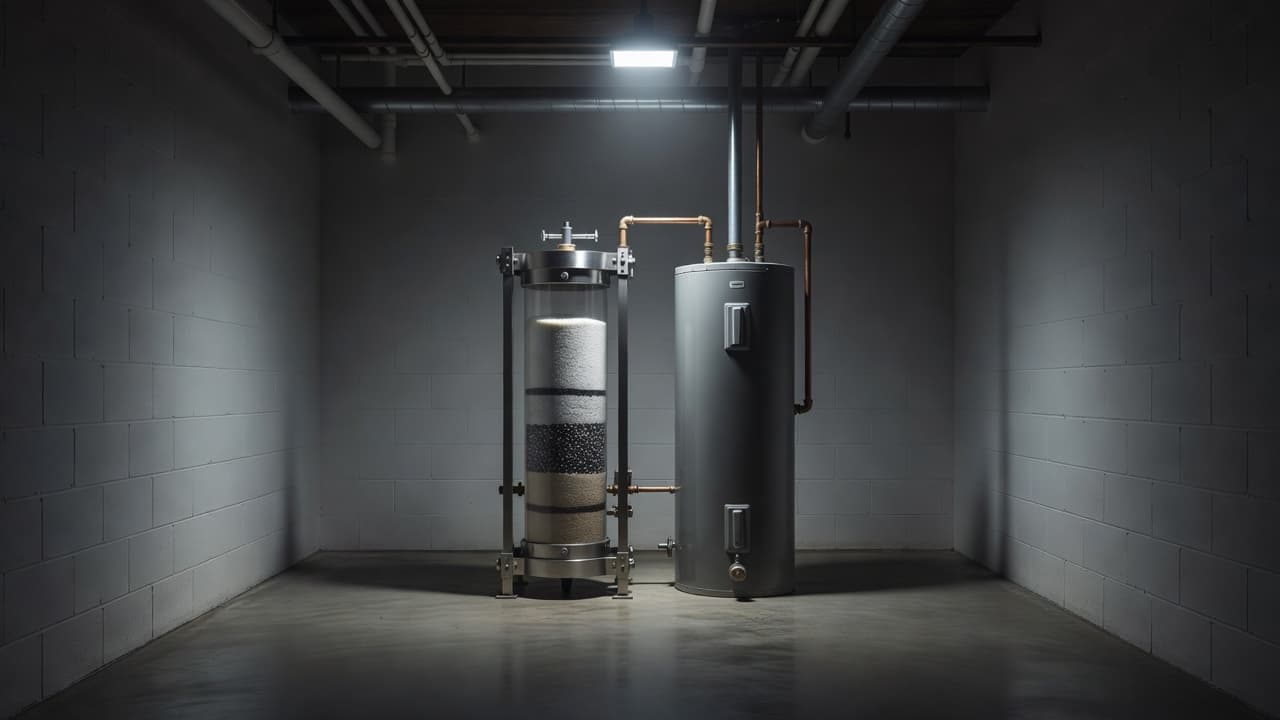
Shock chlorination is often the first treatment after bacterial contamination, especially when the problem follows flooding, well work, or a plumbing repair. It can disinfect the well and household lines, but it is a corrective step rather than a complete long-term system. If bacteria return, the source needs investigation.
A continuous chlorination system may fit a well with recurring bacteria. It feeds a measured disinfectant into the water, then uses a contact tank and filtration equipment to provide adequate treatment. The system needs regular monitoring, chemical replenishment, and maintenance. A professional should size it according to flow rate, water chemistry, and the type of contamination.
An ultraviolet, or UV, system can inactivate bacteria as water passes a UV lamp. UV treatment doesn't add chemicals or change taste, but it requires clear water, dependable electricity, and regular lamp and sleeve maintenance. Sediment, iron, manganese, or cloudy water can reduce UV performance, so pretreatment may be necessary.
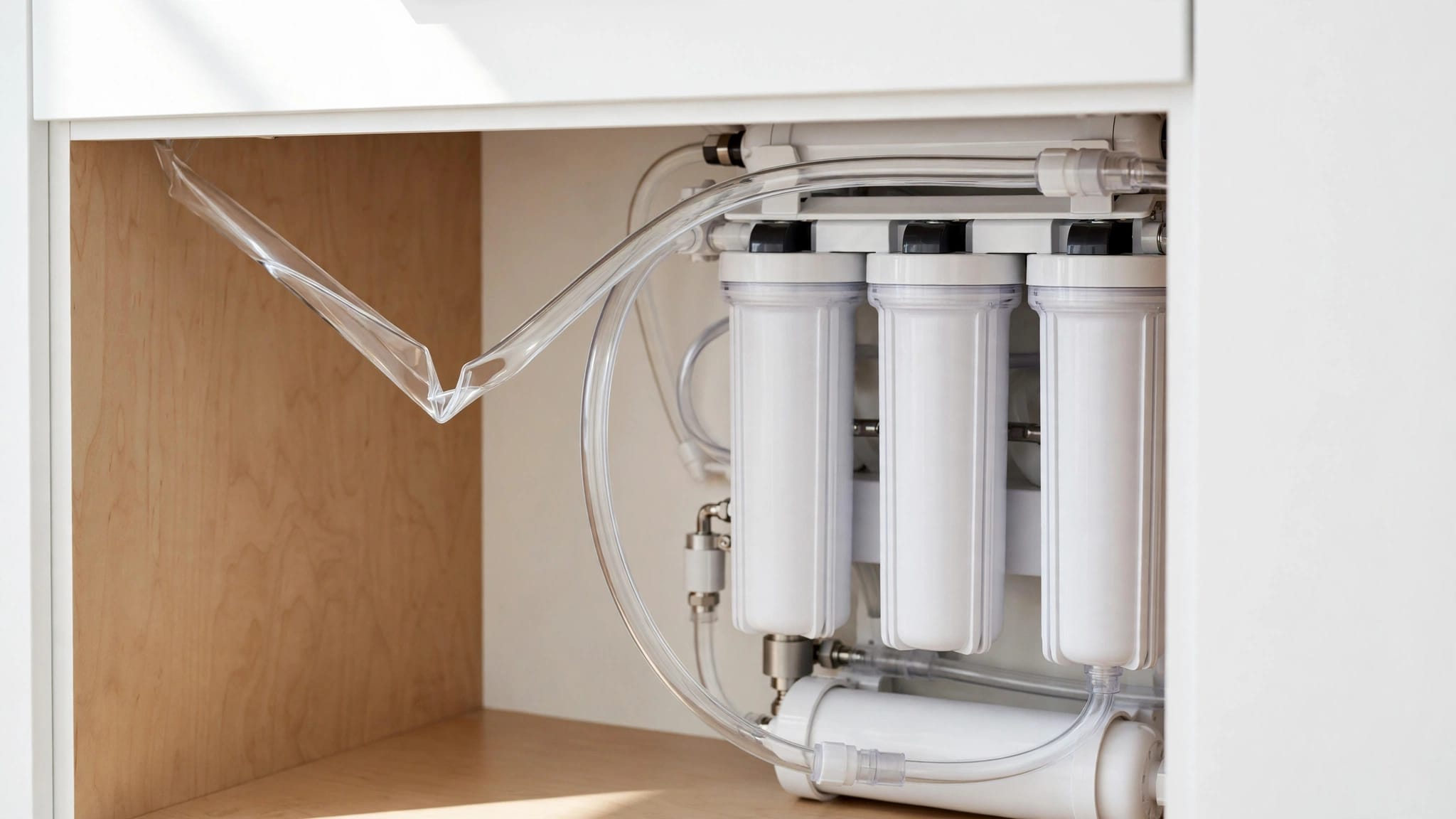
A whole-house filter can help with sediment or certain chemicals, but many ordinary filters don't disinfect water. Carbon filters may improve chlorine taste after disinfection, yet they aren't a substitute for a bacterial treatment system. Reverse osmosis can provide treated water at a kitchen faucet, but it shouldn't be presented as a complete answer for a contaminated well or household plumbing.
Water softeners address hardness, not bacteria. If your report also shows high mineral content, compare reverse osmosis systems and water softeners for well water after the bacterial issue is under control. The test results should determine whether you need disinfection, filtration, softening, or several treatment stages.
| Treatment | Main purpose | Important limitation |
|---|---|---|
| Shock chlorination | Corrects many one-time contamination events | Doesn't repair a damaged well or prevent recurrence |
| Continuous chlorination | Provides ongoing disinfection | Needs chemical monitoring and maintenance |
| UV disinfection | Inactivates microorganisms without chemicals | Requires clear water, power, and lamp maintenance |
| Carbon filtration | Improves taste and removes some compounds | Doesn't reliably disinfect untreated well water |
| Water softener | Reduces hardness and scale | Doesn't remove coliform bacteria |
The right system depends on the contamination source and the complete water analysis. Installing equipment before checking the well can hide symptoms while leaving the entry point open.
When You Can Safely Use the Water Again
Don't use a single positive or negative result as your only guide. Follow the laboratory's sampling instructions and your local health department's advice. Many professionals recommend collecting a follow-up sample after disinfection and waiting for a satisfactory result before returning to normal drinking and cooking.
If authorities issue a boil-water instruction, use bottled water or bring water to a rolling boil for at least one minute, unless local guidance gives different directions. Let it cool in a clean, covered container. Boiling can make water safer from many germs, but it won't remove nitrates, metals, salts, fuel, or other chemicals. If the well has more than a bacterial concern, ask officials what alternative source is appropriate.
Bathing guidance can vary by contamination type. Total coliform in a private well doesn't always require avoiding showers, but don't swallow the water. E. coli, sewage contamination, an open wound, or a household member with a weakened immune system calls for direct public-health advice.
After the water clears, protect the system with routine testing. Test after flooding, repairs, changes in taste or odor, and suspected septic problems. Annual testing is a practical schedule for many private-well homes, although local conditions may call for more frequent samples.
Keep the well cap secure, direct surface drainage away from the well, maintain the septic system, and prevent chemicals, manure, and stored materials from collecting nearby. These basic measures reduce the chance that coliform bacteria will enter the well again.
Conclusion
A positive coliform test calls for calm, careful action. Stop using the water for drinking and food preparation, identify whether the result involves total coliform or E. coli, arrange certified laboratory testing, and follow local public-health instructions.
Shock chlorination may solve a one-time problem, while recurring contamination can require well repairs or continuous disinfection. The strongest protection comes from finding the entry point, choosing treatment based on the full water report, and confirming the result with a follow-up test before trusting the water again.
Latest posts
Read Our Blog
Tips, guides, industry best practices, and news.

Contact us
Get in touch
Our friendly team is ready to chat.