Do You Need a Neutralizer for Acidic Well Water?
Acidic well water can wear down a plumbing system long before you see a leak. It may leave metal taste, stain fixtures, and shorten the life of pipes and appliances.
A neutralizer is often the right fix, but not every low-pH well needs one. The right choice depends on your pH, alkalinity, plumbing materials, and any signs of corrosion.
Why acidic well water matters in a home
Water with a pH below 7 is acidic. The lower the number, the more likely it is to attack metal surfaces over time. That does not mean every slightly acidic well causes damage right away, but it does raise the risk.
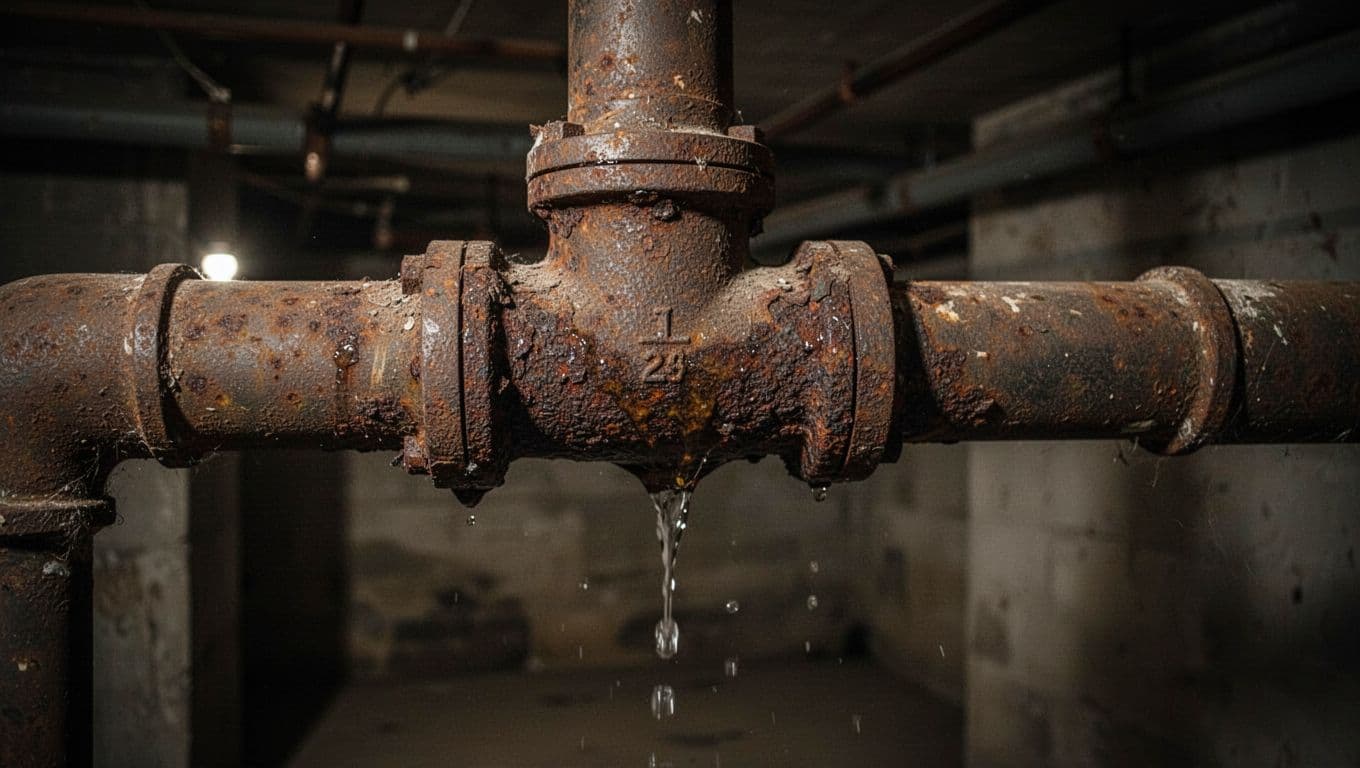
The biggest concern is corrosion. Acidic water can slowly pull metal from copper pipes, brass valves, and steel parts. As a result, you may see pinhole leaks, worn-out fittings, and water heaters that fail sooner than expected.
Low pH can also affect your daily routine. Faucets may discolor faster, sink drains may pit, and dishwashers or laundry machines may wear out sooner. In some homes, the first clue is a faint metallic taste at the tap.
If that sounds familiar, solutions for metallic tasting well water can help connect that taste to corrosion. Still, taste alone does not tell the full story. A proper test does.
Signs your well water may be corroding plumbing
Corrosion usually shows up in small ways first. You may not notice a plumbing problem until several clues start adding up.
Look for these signs:
- Metallic taste at the tap, especially in cold water.
- Blue-green stains on sinks, tubs, or toilet parts.
- Rust-colored spots on fixtures or around drain openings.
- Pinhole leaks in copper pipes or repeated drip repairs.
- Short-lived appliances , especially water heaters and dishwashers.
- Dull, etched, or rough fixtures that seem to wear faster than they should.
A single sign does not prove acidic water is the cause. Several signs together make the case much stronger. If the water has a metallic taste and the plumbing shows staining or leaks, corrosion is a likely suspect.
The good news is that this problem is usually manageable. The trick is matching the fix to the water, not guessing from one symptom.
When a neutralizer makes sense
A neutralizer is common when well water sits below pH 6.5 , especially if the home has copper plumbing or visible corrosion. Many water pros look even more closely when pH falls near 6.0, because damage risk rises fast below that point.
This simple guide can help frame the decision:
| Water test or condition | What it often means | Common response |
|---|---|---|
| pH 6.5 to 6.9, no corrosion signs | Mild acidity | Monitor and retest |
| pH 6.0 to 6.4 | Corrosive risk is higher | Neutralizer is often a good fit |
| pH below 6.0 | Strong corrosion risk | More aggressive treatment may be needed |
| Low pH plus metallic taste or leaks | Water is likely attacking metal | Test, inspect plumbing, and treat |
Alkalinity matters too. It helps water resist pH change. Two wells can show the same pH, yet behave differently if one has very low alkalinity. That is why a lab report matters more than a guess.
A neutralizer does one job well. It raises pH and reduces the water's ability to attack metal. It does not remove iron, sulfur, or hardness on its own, so the full treatment plan still matters.
How neutralizers raise pH
Most neutralizers use a tank filled with media that dissolves as water passes through. That process adds minerals back into the water and pushes the pH upward. The idea is simple, but the media choice matters.
Calcite, magnesium oxide, and blended media
Calcite is the most common media for mild acidity. It is made from calcium carbonate, so it dissolves slowly and raises pH in a steady way. It also adds hardness, which can be a plus or a drawback depending on your home.
Magnesium oxide is stronger. It raises pH faster and works better when water is more acidic. Because it dissolves more quickly, it often needs closer monitoring. Many systems use a blend of calcite and magnesium oxide to balance speed and upkeep.
Here is a quick comparison:
| Media | Best for | Watch for |
|---|---|---|
| Calcite | Mild acidity and simple treatment | Slower correction, added hardness |
| Magnesium oxide | Lower pH and stronger correction | Faster media use, more monitoring |
| Calcite and magnesium oxide blend | A middle-ground option for many wells | Needs the right mix and periodic service |
A neutralizer is a maintenance system, not a one-time fix. The media level drops over time, and the tank needs service.
That part matters more than many homeowners expect. If the media runs low, the pH can slip again and the corrosion risk returns.
When soda ash injection or another treatment is the better fit
Some wells are too acidic for a passive tank alone. In those cases, soda ash injection may be the better choice. This system feeds a measured amount of soda ash solution into the water line, which raises pH more directly.
It can be a smart option when:
- pH is very low.
- Water use is high and steady.
- A neutralizer tank would dissolve media too fast.
- The home needs tighter control over treatment.
Soda ash injection does bring more equipment and more upkeep. It needs a chemical tank, a feed pump, and routine checks. It can also add sodium to the water, which matters for some families.
Sometimes the right answer is a mixed system. A neutralizer may handle pH, while a softener manages hardness that comes from the treatment process. In other homes, iron, sulfur, or sediment changes the setup completely. If several water issues show up at once, one tank usually will not solve them all.
How to choose the right setup for your well
The best next step is a good water test. If you want a local testing schedule, how often Florida homeowners should test well water is a useful place to start. For this issue, the test should include pH and alkalinity, and it should also look at hardness, iron, copper, and lead if corrosion is suspected.
A simple decision path helps:
- Test the water first, not after buying equipment.
- Check the pH and alkalinity together.
- Look at the plumbing material in the home.
- Match the treatment to the whole house or just the drinking water line.
- Recheck after the system is installed.
That last step matters. Water chemistry can change after treatment, and a follow-up test shows whether the system is doing its job.
If the goal is protecting pipes, fixtures, and appliances, whole-house treatment is usually the right focus. If the main concern is drinking water taste, a point-of-use system may be enough for the kitchen tap, but it will not protect the rest of the plumbing.
Conclusion
If your well water is acidic, a neutralizer is often worth considering. It becomes even more important when pH drops below 6.5 and the home shows signs of corrosion, staining, or metal taste.
Calcite works well for mild acidity, magnesium oxide handles stronger problems, and soda ash injection fits cases where passive media cannot keep up. The right answer starts with testing , because pH, alkalinity, and plumbing materials all shape the fix.
A good water system should match the water, not fight it blindly.
Latest posts
Read Our Blog
Tips, guides, industry best practices, and news.


Contact us
Get in touch
Our friendly team is ready to chat.