
Florida Well Water Testing: Home Kits vs. Lab Analysis
Florida well water testing can start with a home kit, but a state-certified laboratory is the better choice for drinking-water safety decisions. The Florida Department of Health recommends testing private wells for bacteria and nitrate every year.
A home kit can still be useful when you're tracking hardness or watching for a change in treated water. Knowing what each option measures helps you spend money on the right test.
How Home Kits and Lab Tests Compare
A home kit gives you a quick reading for the substances it covers. A laboratory analyzes a collected sample using methods suited to the requested tests and supplies a report with the results.
This comparison can help you choose where to start.
| Consideration | At-home test kit | Certified laboratory analysis |
|---|---|---|
| Best use | Screening and tracking changes | Drinking-water safety and detailed analysis |
| Results | Often available within minutes | Depends on the test and laboratory |
| What it measures | Only the substances named in the kit | Selected bacteria, chemicals, or minerals covered by the requested panel |
| Cost | Varies by kit and number of tests | Florida public-health examples range from $26 for bacteria to $40 for a bacteria panel |
| Main limitation | A quick result may lack the sensitivity needed for a health decision | A report covers only the tests ordered |
The distinction matters when a result will guide a purchase or determine whether you can safely drink the water. In those cases, a home reading is a starting point rather than the final answer.
What At-Home Water Test Kits Can Tell You
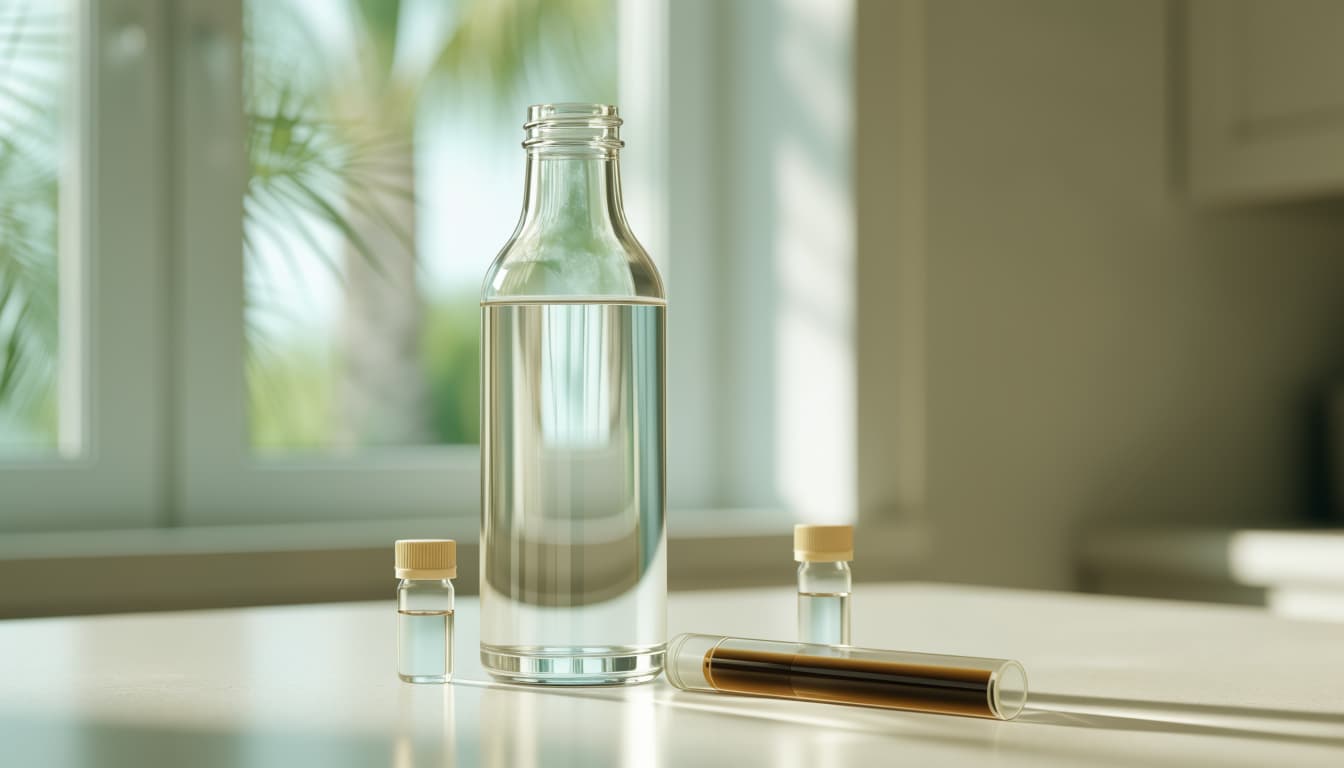
Home kits can be convenient for routine water-treatment questions. Depending on the product, they use strips, drops, or a handheld meter to give you a reading at home.
Useful Checks for Treatment Equipment
A hardness kit can help you notice when scale-causing minerals are getting through a softener. For example, a reading that rises closer to the untreated water's hardness may point to a salt, settings, or maintenance issue.
A total dissolved solids, or TDS, meter can help track changes in a reverse osmosis system. Compare readings over time at the same tap and under similar conditions.
These tools are most useful when you already know what you're measuring and why. Keep the date and result with your treatment records so a service professional can see the pattern.
What a Quick Reading Can't Tell You
A TDS meter reports an overall estimate of dissolved material. It doesn't identify nitrate, arsenic, or another individual contaminant. A low TDS reading also doesn't establish that water is free of bacteria.
Some home kits test for individual health-related contaminants, but sensitivity and instructions vary. UF/IFAS guidance recommends certified-laboratory testing for private-well drinking water and cautions that some home tests may miss contaminants at levels relevant to health.
If a home test suggests contamination, use a safe alternative water source and arrange a laboratory test. Don't rely on a second strip alone to clear the concern.
What Certified Lab Analysis Can Measure
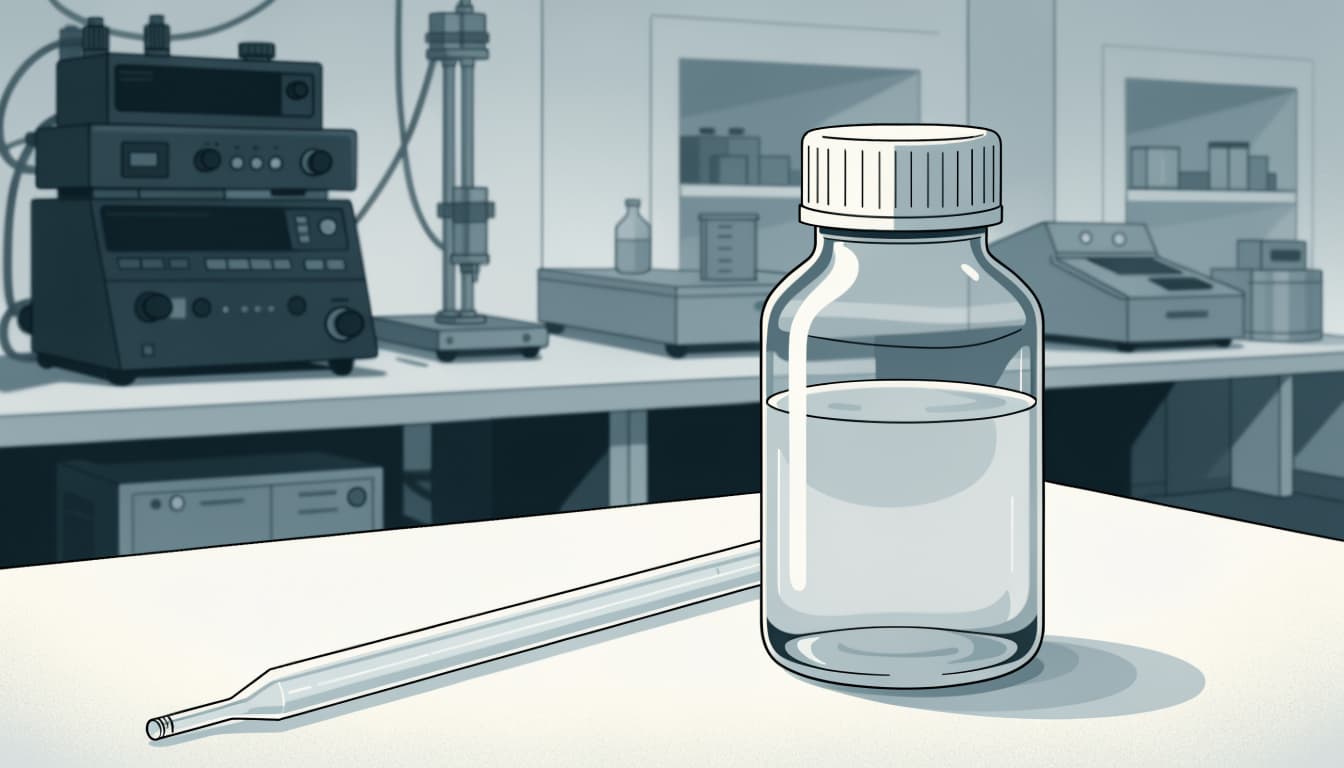
A Florida-certified laboratory can provide a more detailed result for the substances included in its analysis. Choose a lab certified for the particular drinking-water tests you need.
Bacteria and Nitrate
The Florida Department of Health strongly recommends yearly testing for bacteria and nitrate in private wells. Total coliform bacteria can indicate a pathway for contamination to enter the system. E. coli is a more urgent finding because it can indicate contamination from human or animal waste.
Nitrate can enter groundwater through sources such as fertilizer and septic systems. Elevated nitrate is a particular concern for infants, and it can't be identified by taste or appearance.
A bacteria test doesn't automatically include nitrate. Make sure your testing plan covers both, even if that means ordering separate analyses.
Metals, Minerals, and Other Chemicals
Laboratories can also test for lead, arsenic, iron, manganese, chloride, and other substances when those analyses are ordered. The health department recommends that most homeowners test for lead every three years.
A result for lead at a household tap may point to plumbing or fixtures rather than the well itself. Meanwhile, hardness, iron, and manganese results can help explain scale or staining and guide treatment choices.
Certification doesn't turn one sample into a test for everything. The report tells you about the requested substances, at the collection point and time shown.
Which Tests Make Sense for a Florida Well?
Start with the annual bacteria and nitrate tests, then add measurements that fit the property's conditions. Florida wells draw from different groundwater sources, so neighboring homes don't necessarily need identical treatment.
Health Concerns and Property History
A home near septic systems or agricultural land may warrant attention to nitrate. If fuel, solvents, or other chemicals could have reached the well, a targeted chemical analysis may be appropriate. Coastal properties with salty-tasting water may benefit from chloride testing.
After flooding or a damaged well cap, bacteria testing is especially important. The flood source may also affect which chemical tests make sense. Use bottled water for drinking and food preparation until the well has been addressed and testing supports its return to use.
If you're purchasing a home, include water quality alongside the physical condition of the pump and well. Our guide to private well inspection tests before buying explains how those checks fit together.
Staining, Odor, and Scale
Orange stains may point toward iron, while black staining can be associated with manganese. A rotten-egg smell may point to a sulfur-related issue. Testing helps distinguish the cause before you invest in equipment.
For treatment planning, pH, hardness, iron, and manganese can matter together. A softener addresses hardness, but it doesn't take the place of a bacteria or nitrate solution.
What Florida Testing Can Cost
Prices depend on the substances tested and whether someone collects the sample. Florida's published public-health examples give homeowners a useful starting point.
DeSoto County's health department lists $26 for bacteria testing and $35 each for lead and nitrate/nitrite . Ordering all three listed tests would total $96, before any separate collection charge.
Florida's Bureau of Public Health Laboratories lists $40 for private testing of total coliform and E. coli. That bacteria panel does not include nitrate. The state also lists estimated county health department testing costs of $20 to $30 per sample, with an in-home collection visit typically adding $30 to $40.
Broader mail-in packages cost more. Tap Score lists its Essential Well Water Test at $209 for 54 analytes. A mail-in kit is a collection package for laboratory analysis, not the same thing as an instant strip test. The listing alone doesn't establish Florida certification for every test in the package.
How Long Results Take
Many home strips give a result within minutes, which makes them convenient when you're monitoring a softener or investigating a change in water appearance.
Laboratory timing depends on the analysis and sample handling. Florida's Jacksonville and Miami public-health laboratories list 48-hour processing for their private-well coliform and E. coli test. Their instructions require the sample to be collected and delivered on the same day.
Allow additional time for collection and delivery when planning a test. A more extensive chemical panel may follow a different schedule, so the quick turnaround for the bacteria panel shouldn't be assumed for every laboratory analysis.
When to Choose a Kit, a Lab, or Both
Use a home kit when you need a convenient screening measurement, such as tracking hardness after softener service. It can help you notice a change between professional visits.
Choose certified laboratory analysis for your annual bacteria and nitrate testing, a suspected contamination problem, or a positive home screening result. Lab testing also makes sense after well flooding, well repairs, or disinfection.
Often, both approaches fit. A laboratory report can establish your starting water quality, while a home kit helps you watch a treatment parameter between reports. A later lab sample can assess whether equipment is reducing the contaminant it was installed to treat.
For a new treatment system, collect the follow-up sample after the equipment has completed its startup procedure. Our post-treatment well water testing guide covers the measurements that help show whether a system is working as intended.
Collect Samples That Answer the Right Question
A lab result is only as useful as the sample behind it. Use the laboratory's containers and follow its directions for each test. Bacteria samples, for example, need a sterile container and careful collection.
Untreated Water vs. the Drinking Tap
An untreated sample shows what enters the house before filtration or softening. A treated sample shows what reaches a selected faucet after the equipment has done its work.
Collecting both can help identify whether a treatment system is reducing the intended substance. Label each sample location clearly, and collect them under the lab's directions. For lead, the lab may request a first-draw sample because water sitting in household pipes can pick up metals.
Handling and Delivery
Different analyses can require different bottles and handling. Don't rinse a lab bottle with tap water unless the laboratory's instructions say to do so.
For its bacteria test, Florida's Bureau of Public Health Laboratories requires at least 100 milliliters and same-day delivery. Its directions also call for running the water for at least five minutes and keeping the sample below 50 degrees Fahrenheit at delivery. Other laboratories may provide different instructions for their methods.
What to Do With Your Results
Start by noting the sample date, location, and substances tested. Then separate health-related findings from problems such as scale or staining. Our guide to reading a Florida well water test report explains common units and report terms.
If E. coli is detected, use bottled water for drinking, cooking, making ice, brushing teeth, and preparing food. Contact public health officials and a qualified water professional promptly. A total-coliform positive result also needs follow-up, including guidance on repeat sampling.
Boiling can address many microbes, but it doesn't remove nitrate, lead, or arsenic. For a chemical concern, use a safe alternative supply while you get guidance on treatment.
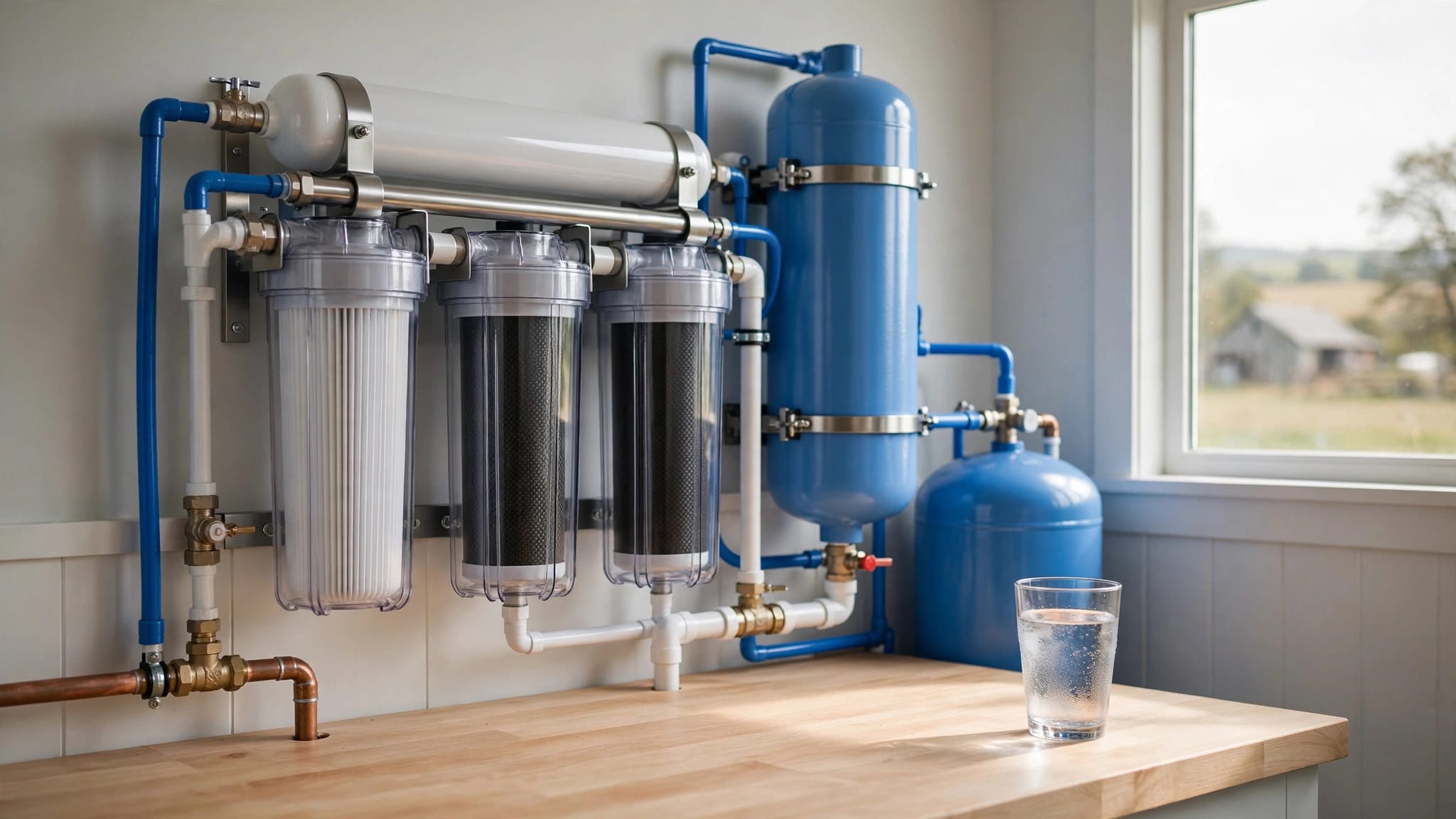
At Trademark Water Systems, we provide water analysis and treatment services for homeowners in Naples and Southwest Florida. The right equipment depends on the measured problem, your water use, and the condition of the existing system.
Start With the Test That Fits the Decision
A home kit can help you track a specific water condition, especially between service visits. For drinking-water safety, certified lab analysis gives you a stronger basis for action.
Begin with Florida's recommended annual bacteria and nitrate tests. Add targeted testing when your property's history, plumbing, or treatment needs call for it.
Latest posts
Read Our Blog
Tips, guides, industry best practices, and news.

Contact us
Get in touch
Our friendly team is ready to chat.
