
Fountain Motor Humming Without Starting: Common Causes
A fountain motor humming without starting may have a jammed impeller, an electrical problem, or a damaged motor. The sound alone can't identify the failed part, so the safest first step is to shut the fountain off rather than let it keep humming.
For a small garden fountain, an accessible buildup of debris may be simple to clean. A community lake fountain often needs a service professional who can safely reach and inspect the equipment. Start by noting what happened before the fountain stopped.
Shut off the fountain before inspecting it
A motor that hums without turning can overheat if it stays energized. Switch the system off promptly and leave it off while you decide what to do next.
Small, accessible fountains
For a plug-in fountain, unplug the pump before touching the water or removing the pump. Keep your hands and the plug dry. If the outlet, plug, or surrounding area is wet or damaged, stay clear and arrange professional help.
Once the pump is disconnected, you can look for obvious debris if the pump is safely accessible. Follow the manufacturer's instructions for removing the intake cover, and don't force a sealed housing open.
Lake fountains and shared ponds
For a lake fountain, shut off the designated electrical disconnect and keep people and pets out of the water. Never enter the water or handle submerged equipment while it's powered. If you're unsure whether the system is safely isolated, leave it alone and call a qualified professional.
Lake fountains can be heavy, anchored, and difficult to retrieve. Cables, mooring lines, and electrical connections add risks that a small tabletop fountain doesn't have.
What fountain motor humming can tell you
A hum suggests that some part of the equipment is energized, but it doesn't prove the motor has started or identify the cause. The most helpful clues are changes you noticed before the shutdown.
Use these symptoms to narrow the possibilities:
| What you notice | What it may point to |
|---|---|
| Humming with no spray after debris collects nearby | An obstruction may be preventing the impeller from turning. |
| A weakening or uneven spray before shutdown | The intake or nozzle may be clogged, or the pump may have internal wear. |
| Humming after the fountain has sat unused | Debris or deposits may be restricting a moving part. |
| Grinding or unusual vibration before shutdown | The pump may have a damaged impeller, worn bearings, or another mechanical fault. |
| A breaker or GFCI trips | An electrical fault or equipment problem needs professional attention. |
These are clues, not diagnoses . A clogged nozzle, for example, can change the spray while the motor is running. It doesn't establish why a motor hums without starting.
When debris or a jammed impeller stops the pump
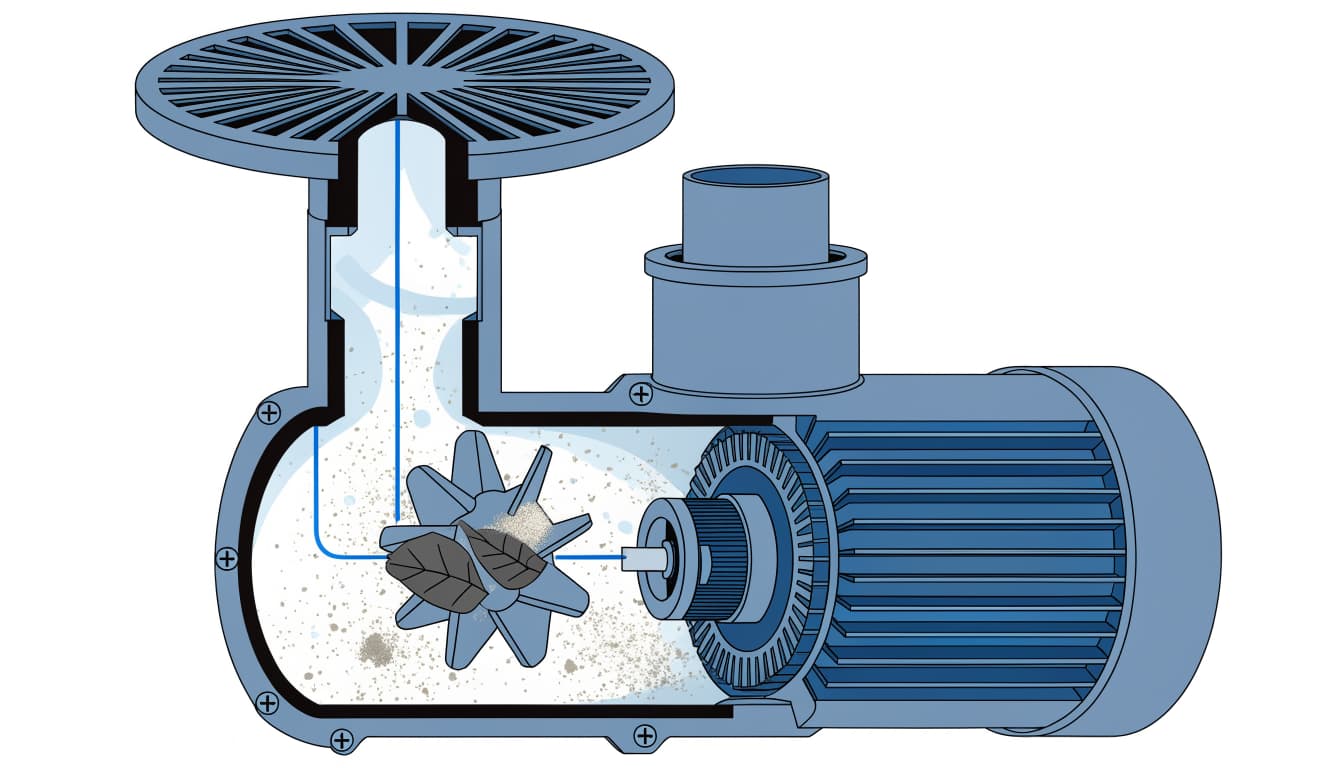
The impeller is the rotating part that moves water through the pump. Leaves, twigs, grit, and other material can collect around it. If something physically blocks the impeller, the motor may hum without getting the pump moving.
Look for a blocked intake
Start with the intake screen or grate. Leaves and algae on the outside are easy to see on an accessible pump, while sand or plant material may collect inside. A heavily covered screen is a reason to clean the intake, though it doesn't prove the impeller is jammed.
For a small pump that's unplugged and safe to handle, remove loose material according to the manufacturer's instructions. Rinse accessible parts with clean water. Avoid pushing debris deeper into the housing.
Our guide to lake fountain intake and nozzle maintenance covers other signs of buildup that can affect the spray.
Check the impeller only if it's accessible
Some small fountain pumps have a removable cover that exposes the impeller. With the pump unplugged, look for a twig, grit, or other material caught around it. Remove debris gently, following the pump instructions.
Don't force the impeller or assume every design should spin freely in the same way. Some small magnetic-drive pumps have a normal pulsing resistance. A cracked impeller, damaged shaft, or housing that won't open safely is a reason to stop and arrange service or replace the affected part if the manufacturer offers one.
For a lake fountain, leave impeller access and lifting to a qualified technician.
When the spray weakened before the humming began
A fountain that produced a low, uneven spray before stopping may have had a flow problem. Algae, sediment, leaves, and mineral deposits can obstruct an intake or nozzle. Cleaning those parts may restore the spray if the pump and motor are otherwise sound.
A clogged nozzle usually affects the display while water is still moving. A blocked intake can reduce the water reaching the pump. Neither symptom proves that debris caused the later humming, so persistent trouble needs a closer inspection.
Water level matters, too. A submersible pump needs the depth specified for its design. Low water can expose the intake or allow the pump to run dry, which may damage it. Don't restart a pump until the water level is suitable and the equipment is safe to operate.
Our lake water fountain repair guide explains other causes of reduced flow and changes in spray.
When the problem may be inside the motor
If the accessible intake and impeller are clear but the motor still hums, the fault may be electrical or inside the motor. Cleaning alone won't resolve every starting problem.
A capacitor may be involved on some models
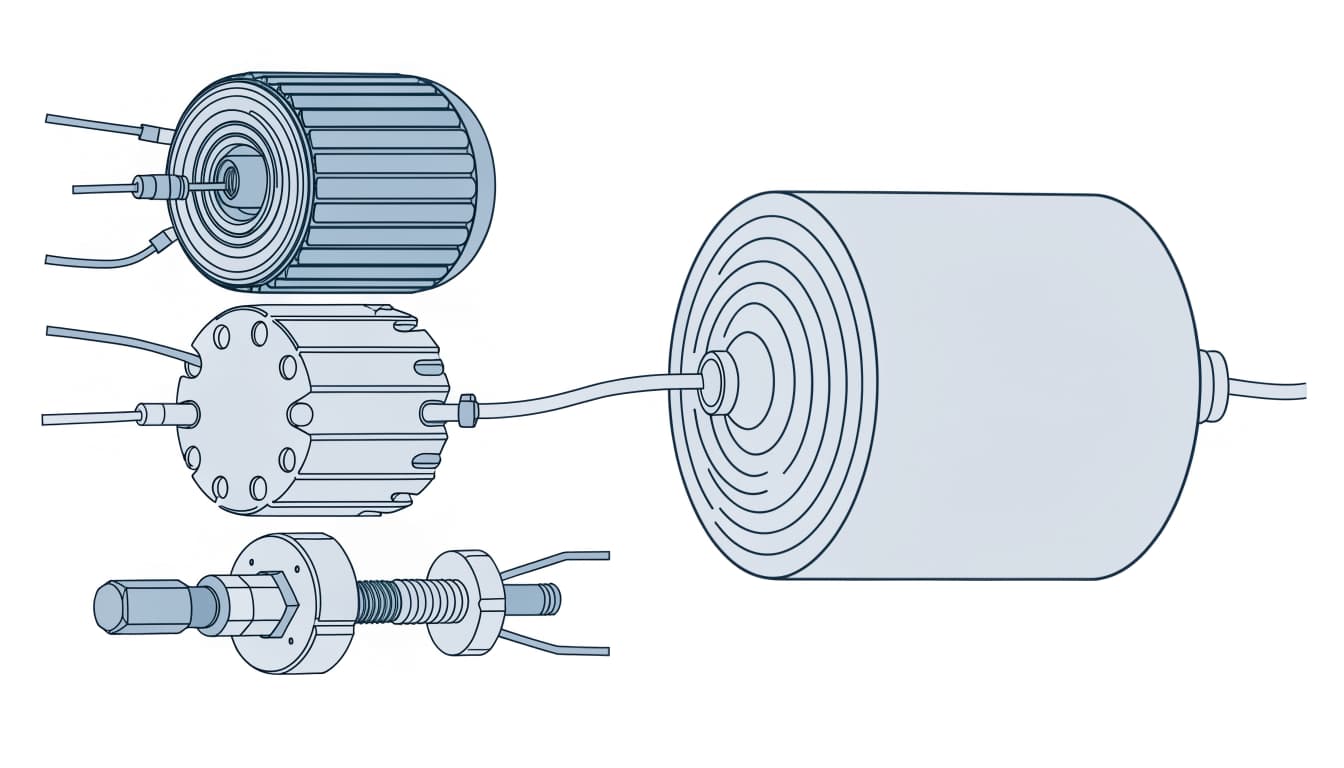
Some single-phase fountain motors use a capacitor to help the motor start or run. If that component fails, the motor may hum without reaching normal speed. Other fountain pumps use different motor designs and may not have a separate capacitor.
A hum doesn't establish that a capacitor has failed. Capacitors can retain an electrical charge after power is disconnected, so don't open an electrical enclosure or handle one yourself. Leave that inspection to a qualified technician.
Wear or a motor fault may prevent rotation
A motor can also fail to start because of worn bearings, a damaged shaft, or a fault in its windings. Grinding, vibration, or repeated overheating before the shutdown gives a technician useful information, although those symptoms don't identify one part with certainty.
A sealed motor isn't a routine cleaning project. If the pump remains stuck after accessible debris has been removed, keep it off and have the assembly evaluated. Depending on the design and damage, a repair or a replacement pump may be appropriate.
Cleaning, part replacement, or a new pump?
The condition of the parts matters more than the noise alone. If a small piece of debris is caught in an otherwise intact, accessible impeller, removing it may solve the problem. A clogged screen or nozzle may also respond to cleaning when reduced flow is the main symptom.
A damaged impeller is different. Cracks, broken blades, or a worn shaft may call for a replacement part rather than another cleaning. The part must fit the particular pump, and some units don't have individually serviceable components.
For a sealed motor with internal damage, replacing the pump assembly may be the practical option. A technician can assess a larger lake fountain and identify whether the pump, motor, or another component needs attention.
Before approving work, ask for a clear description of the fault and the proposed repair. For a community fountain, keep that information with the equipment's model details and maintenance records. That makes future service easier to coordinate, particularly when property managers or board members change.
When to call for fountain repair
Some warning signs call for professional service without further cleaning or repeated attempts to start the pump.
Electrical trouble or damaged equipment
Keep the fountain off if a breaker trips repeatedly, the GFCI won't reset, or you see a damaged cable. A burning smell, visible smoke, or signs of overheating also mean you should stop and arrange service.
Don't keep resetting a protective device to make the fountain run. The trip may involve the pump, its cord, or another part of the electrical system. A qualified electrician or fountain service professional can investigate safely.
Persistent noise, vibration, or poor flow
Call for help if the pump still hums after accessible debris is cleared, or if it loses flow again after cleaning. Grinding, unusual vibration, and a persistently uneven spray also deserve attention.
On a community lake, shifting anchors, frayed mooring lines, or a tilted float can complicate access and affect performance. Our Florida lake fountain maintenance checklist covers these warning signs and other items to watch from shore.
Reduce the chance of another shutdown
A maintenance plan won't prevent every motor fault, but it can make debris and flow problems easier to catch before the fountain stops.
Watch the lake and spray pattern
Compare the fountain's spray with its normal height and shape. A weaker display or broken pattern can point to buildup, low water, or pump trouble. During Florida's hottest and wettest months, a weekly look from shore can help you spot changes.
Check again after major storms or landscaping work. Leaves, grass clippings, and other loose material can move toward an intake. Remove debris only when you can do so safely and without handling powered equipment.
Set a service schedule that fits the pond
Many fountains benefit from service every three to six months, though algae growth, sunlight, debris, and the manufacturer's recommendations can change that interval. A lake with frequent algae blooms or heavy organic material may need attention more often.
Service can include cleaning the float, intake screen, and nozzles, plus inspecting the pump, cables, and anchors. Our article on cleaning and maintaining a lake fountain describes how buildup affects the display.
For shared properties, record the model, shutoff location, normal spray pattern, and service dates. Note any noise or change in flow before a visit so the technician has a useful starting point.
Get the fountain working safely again
A humming fountain motor may have a simple obstruction, but the same sound can accompany a motor or electrical fault. Shut the system off, note the symptoms, and clean only the parts you can safely access.
If the cause isn't obvious, or the problem returns, leave the fountain off. At Trademark Water Systems, we provide lake fountain repair and maintenance in Naples and Southwest Florida.
Latest posts
Read Our Blog
Tips, guides, industry best practices, and news.



Contact us
Get in touch
Our friendly team is ready to chat.
