
Fountain Motor Shaft Seal Leaks: Repair or Replace?
A leak near a fountain pump motor can point to a worn seal, but water may also escape from a fitting, gasket, housing, or damaged line. The location and pattern of the leak matter: they help determine whether a focused repair is practical or the pump needs replacement.
A fountain motor shaft seal leak should be taken seriously because water near the motor can lead to electrical hazards and further equipment damage. Shut off power safely, keep the pump from running dry, and identify where the water is coming from before choosing a repair.
Key takeaways
- Water emerging where the rotating shaft passes between the pump and motor points toward a shaft-seal problem. A leak at a connection or crack suggests a different source.
- A seal-only repair may make sense when the rest of the pump and motor are in good condition and the correct replacement part is available.
- Replacement is often the better option when the motor or pump housing is damaged, electrical problems are present, or the required parts aren't compatible.
- Never run a pump dry. Shut it off if water levels fall or the pump loses its supply.
What the fountain motor shaft seal does
The seal separates the wet and dry sections
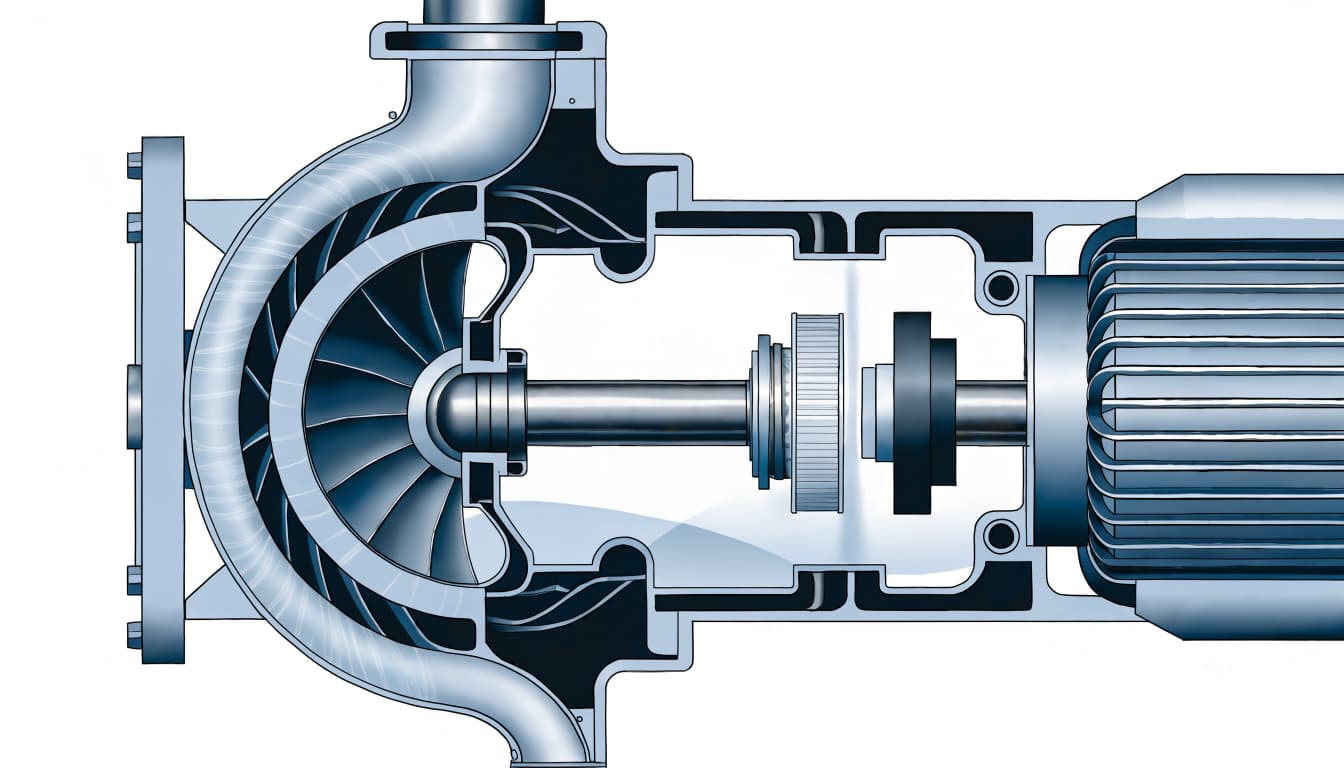
A fountain pump moves water through its wet end, where the impeller and water passages sit. The motor turns the impeller through a shaft. A mechanical seal around that shaft helps keep water from moving into the motor.
Because the shaft rotates while the pump runs, the seal is a wear component. Heat, debris, mineral deposits, dry running, or general wear can contribute to failure. The exact seal design and replacement procedure vary by pump model.
A leak can put more than the spray at risk
A failing seal may allow water into areas that should stay dry. That can damage the motor or create an electrical hazard, especially on a floating fountain in a lake. Even a small leak deserves attention if it returns after the pump is shut down or appears close to the motor housing.
Don't assume a visible drip is harmless because the fountain still sprays. Continued operation may allow water intrusion or worsen a separate pump fault.
How to distinguish a seal leak from other leaks
Look at where water first appears
With the pump safely shut off, look for the first wet point rather than the largest puddle. Water emerging around the shaft area, at the junction between the wet pump section and motor, can indicate a shaft-seal failure. Water at a hose connection, threaded fitting, drain plug, or joint may come from a loose connection or a worn gasket instead.
A crack in the pump housing can also leak, and water can travel along a surface before dripping somewhere else. Dry the accessible exterior only after power is off, then observe where moisture returns. Don't open an energized pump or reach into the water to investigate.
Consider symptoms beyond the leak
Low flow, an uneven spray, grinding sounds, or unusual vibration can point to other problems, including a clogged intake, impeller trouble, or internal wear. These symptoms don't prove the shaft seal has failed. Likewise, a breaker that trips repeatedly calls for electrical and pump inspection, not repeated resetting.
A lake fountain repair guide covers other common pump problems that can look similar at first. When the source isn't clear, a full inspection can help separate a seal issue from a blockage, damaged fitting, or motor fault.
What to do safely when you find a leak
Disconnect power before inspection
Water and electricity require caution. Shut the fountain off at the breaker or disconnect in a dry, safe location. Don't touch a wet plug, cord, control box, or submerged equipment. If the breaker trips, the cable looks damaged, or the power source is wet, stay clear and contact a qualified electrician or fountain technician.
Never wade into a lake to reach an energized fountain. Electrical inspection and pump removal should be handled by someone equipped to work safely around the system. Repeatedly resetting a breaker can expose people and equipment to added risk.
Prevent dry running and further damage
If the pump is leaking, losing prime, or no longer drawing enough water, leave it off until the cause is addressed. A pump that runs without adequate water can overheat and suffer damage. Also avoid testing the fountain repeatedly to see whether the leak has stopped.
A Florida lake fountain maintenance checklist identifies repeated breaker trips, loss of flow after cleaning, grinding, vibration, and persistent uneven spray as reasons to seek service. Those symptoms matter alongside the leak itself.
When repairing the shaft seal is practical
The pump and motor must remain serviceable
A seal repair is a reasonable option when the leak source is clear, the motor still operates normally, and the pump housing and shaft are in suitable condition. The correct repair may involve replacing the mechanical seal and related components that the manufacturer specifies for that model.
A seal replacement alone won't fix a cracked housing, bent or damaged shaft, failing motor, or separate electrical fault. The pump needs assessment as a complete assembly before a repair decision is made.
Access and parts affect the repair
Some fountains allow practical access to replace a seal, while others require substantial pump disassembly or removal from the lake. Labor, equipment access, and availability of the proper part affect whether the work makes sense. Without a model and inspection, there's no reliable universal repair price or cutoff.
A repair is less appealing when multiple components have failed or a replacement pump is readily available and better suited to the existing installation. A technician can assess the pump, motor, cable, intake, and other parts together. The lake fountain equipment inspection describes common items checked during a site assessment.
When replacing the pump or motor is the better choice
Look for damage beyond the seal
Replacement may be the better option if water has reached the motor, the motor repeatedly trips a breaker, or the pump has severe corrosion, a cracked housing, or major mechanical wear. A seal repair won't restore damaged electrical insulation or fix a motor that can no longer run reliably.
Poor flow can also result from intake or impeller problems. If cleaning doesn't restore movement, or grinding and vibration continue, the pump may have a deeper fault than a failed seal. Replacing only the seal in that situation could leave the main problem untouched.
Compare the whole repair, not one part
The decision should account for labor, access, compatible parts, and the condition of the complete unit. A low-cost seal doesn't automatically make a repair economical if extensive disassembly is needed or the motor is near failure. Conversely, a pump with a sound motor and housing may not need full replacement simply because its seal leaks.
Why seal and pump compatibility matters
Match the replacement part to the pump
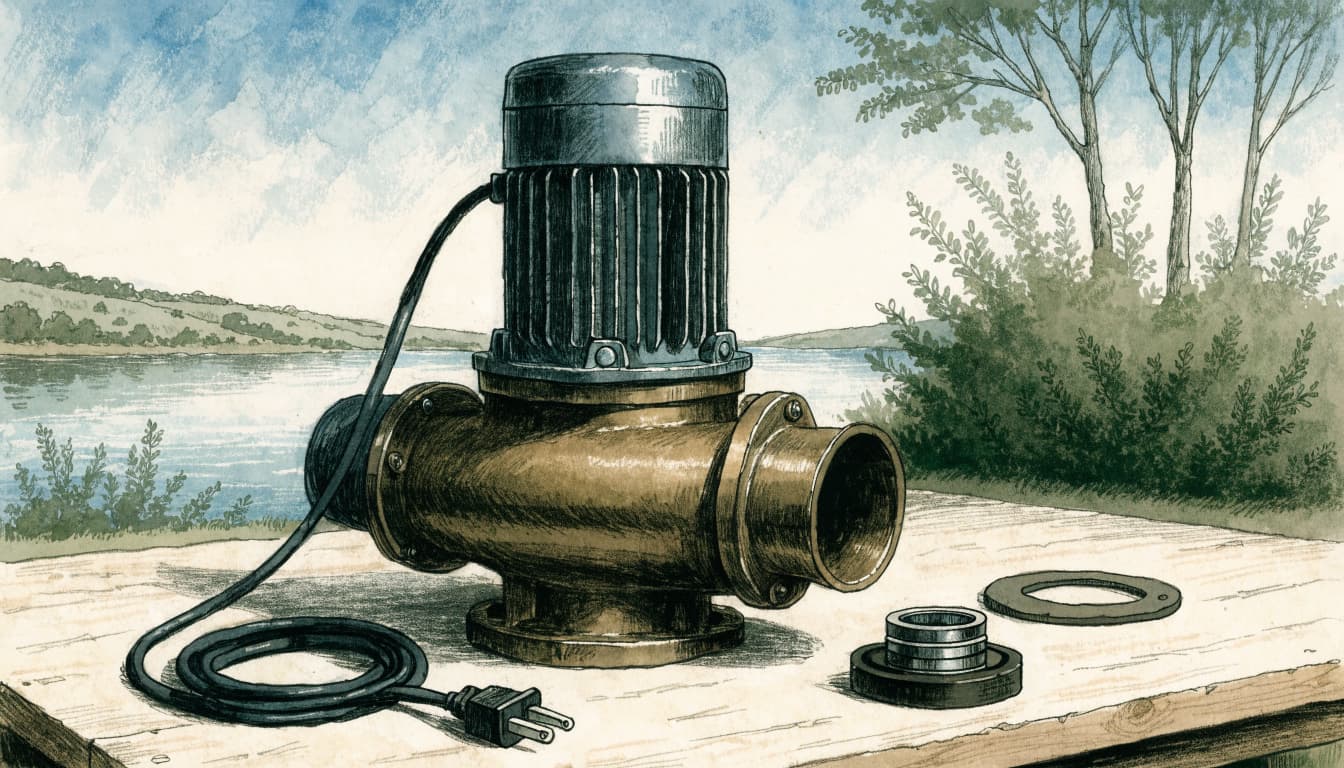
Mechanical seals aren't universal. Their dimensions, materials, and construction must match the pump's design and operating conditions. A seal that looks similar may not seat correctly or withstand the way the pump runs. The pump model and manufacturer specifications are the starting point for identifying the right component.
The same principle applies if replacing the pump or motor. The unit must suit the fountain's electrical setup, water depth, flow needs, and existing connections. An incompatible replacement can create installation problems or perform poorly.
Manufacturer-approved parts reduce guesswork
Manufacturer-approved parts are designed for the specified equipment. They help avoid mismatched dimensions or components that aren't intended for the pump's operating conditions. Avoid choosing a seal by appearance alone or fitting an unapproved part simply because it seems close.
A qualified technician can identify the pump and determine whether the manufacturer supports a seal repair or recommends replacing the complete unit. If the part isn't available or the model is damaged beyond a practical repair, replacement may be the sounder choice.
Common questions about fountain shaft seal leaks
Can a shaft seal leak while the fountain still runs?
Yes. A pump may continue operating even if water is escaping around the shaft. Continued operation can increase damage or expose the motor to water, so shut it off and locate the leak before running it again.
Could a loose fitting look like a bad shaft seal?
Yes. Water from a fitting, gasket, drain plug, or housing crack can travel across the pump and drip near the motor. Find the point where moisture first appears rather than relying on where the water collects.
Is replacing the seal a do-it-yourself repair?
It depends on the pump design, access, and your experience with mechanical and electrical equipment. Fountain pumps may be submerged and connected to electrical controls, so removal and inspection can carry real risks. Don't work on energized equipment or enter the water to reach it.
Should I keep resetting a breaker after a leak?
No. A breaker that trips repeatedly is a warning of a possible electrical or equipment fault. Leave the system off and have the pump, cord, controls, and circuit assessed. Our fountain installation, repair, and maintenance services include lake fountain support.
Make the repair decision after finding the source
A leak near the motor doesn't automatically mean the shaft seal has failed. Trace the water to its first visible point, note any changes in spray or pump noise, and keep the unit off if it's leaking, losing water, or tripping a breaker.
When the seal is the only failed component and the pump remains sound, repair may be practical. When damage extends to the motor, housing, or electrical system, replacing the pump or motor may offer a safer and more dependable fix.
Latest posts
Read Our Blog
Tips, guides, industry best practices, and news.
Contact us
Get in touch
Our friendly team is ready to chat.