
What a Pond Fountain Warranty Should Cover Before You Buy
A five-year warranty can leave you paying for a fountain repair much sooner than you expect. A useful pond fountain warranty identifies covered components , exclusions, and the costs you'll still pay.
For homeowners and community boards, the biggest number on a brochure doesn't tell the whole story. Coverage varies by manufacturer, model, component, and operating conditions.
Start with the written warranty for the exact fountain you're buying, then read it alongside the installation proposal.
What a Pond Fountain Warranty Should Cover
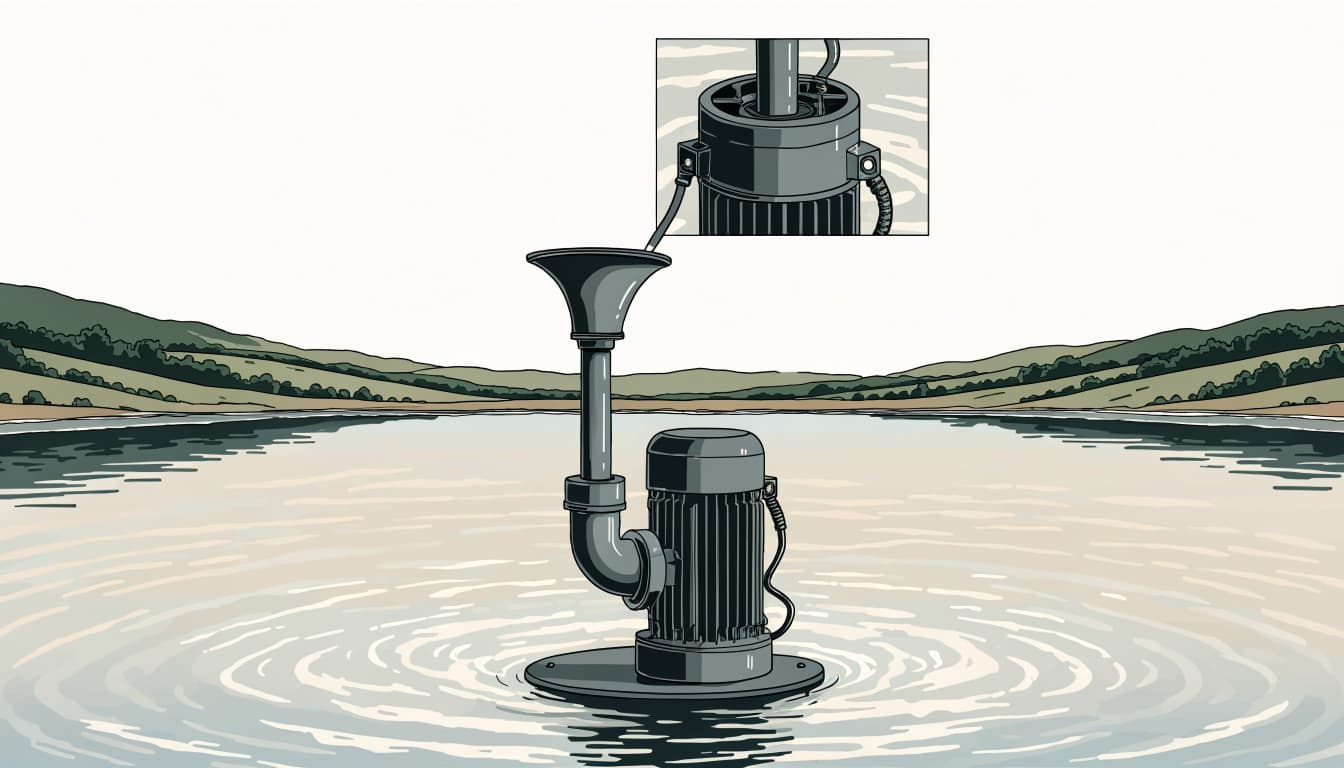
Covered components and manufacturing defects
Look for language covering defects in materials and workmanship under normal use. That describes problems with how the equipment was made or assembled. It doesn't promise coverage for every failure.
The component list matters because a floating fountain includes more than a motor. Pumps, flotation equipment, controls, power cables, nozzles, and lighting may have different terms.
A strong comparison separates each component's coverage period. If the headline describes only the motor, don't apply that term to the entire package. Likewise, optional lights or controls may carry separate coverage.
Repair, replacement, and installation workmanship
The warranty should explain what the manufacturer provides after accepting a claim. Common remedies include repairing the defective component or supplying a replacement. A refund isn't automatic unless the document includes that option.
Also distinguish the manufacturer's equipment warranty from any installation-workmanship coverage stated in your purchase agreement. A defective motor and an incorrectly wired installation involve different responsibilities.
Keep both documents with the purchase records. Our fountain commissioning checklist outlines startup and handover details, including manuals, warranties, and service contacts. That handover gives the owner a record of the equipment and its operating requirements.
Compare Real Warranty Terms, Not Headline Years
Published manufacturer terms show why model-specific comparisons matter. These examples cover different components and product families.
| Manufacturer and product | Published coverage | Important distinction |
|---|---|---|
| Scott Aerator standard products | Five years for motor defects; one year for other components | The five-year term doesn't cover the whole fountain |
| Kasco J Series, ½, ¾, and 1 hp | Two years | Smaller J Series models have a different term |
| Kasco J Series, 3, 5, and 7.5 hp | Five years | Coverage varies within the same series |
| Airmax PondSeries | Three years for qualifying component defects | LakeSeries terms differ |
| Airmax LakeSeries, 7.5 and 10 hp | Five years for qualifying component defects | This term belongs to the specified product family |
The takeaway is straightforward: compare matching components and exact models , rather than treating all advertised years as equivalent.
Scott Aerator's warranty information separates its standard motor coverage from other components. Meanwhile, Kasco's published warranty terms assign different periods by series and horsepower.
These examples aren't a ranking. A longer motor warranty may suit your priorities, but controls, cables, service access, and claim expenses also affect ownership costs. For an HOA, those differences belong in the purchasing decision alongside fountain size and electrical requirements.
Find the Costs That Remain During a Covered Repair
A successful warranty claim can still create an expense. The manufacturer may cover the defective part while leaving retrieval, packaging, outbound freight, and reinstallation to the owner.
For example, the Airmax PondSeries manual assigns removal, packaging, shipment to Airmax, and reinstallation costs to the owner. Qualifying returned parts require prepaid freight.
Kasco's process requires the complete motor assembly, power cord, original assembled components, and a Repair Contact Form for evaluation. Kasco pays ground return freight for warranty repairs within the continental United States. The customer pays for expedited return shipping.
A covered component doesn't necessarily mean a no-cost repair. Getting equipment out of the pond and back into operation may remain your expense.
Read the claim procedure before budgeting for ownership. Identify who handles diagnosis, authorization, removal, transportation, and reinstalling the repaired equipment.
For communities, access matters too. A fountain positioned far offshore may require more work to retrieve than one near an accessible shoreline. The purchase proposal should separate those service expenses from manufacturer coverage rather than grouping everything under "warranty service."
Read Installation and Wear Exclusions Closely
Electrical work and unauthorized repairs
Improper installation can put coverage at risk. Airmax manuals identify incorrect electrical connections, wiring, voltage, alteration, and motor disassembly among conditions that can void coverage. Some manuals also identify unauthorized repairs or modifications.
Those provisions make the installation plan part of the warranty decision. Our lake fountain installation and repair services support properties in Naples and Southwest Florida.
After installation, repeated breaker trips need professional diagnosis. They can indicate moisture, damaged wiring, or another electrical problem. Don't repeatedly reset a tripping breaker or open a sealed motor to investigate.
Wear parts and maintenance obligations
Manufacturers may exclude normal wear, selected accessories, or damage caused by neglected maintenance. The exact wording determines which parts fall outside coverage.
Kasco, for example, excludes ropes, power cords, and propellers from its general warranty. It also excludes cord cuts and field splices. These are named exclusions, so the headline warranty period shouldn't obscure them.
Maintenance requirements deserve equal attention. Kasco includes conditions involving an inadequately maintained sacrificial anode, while Airmax excludes failures associated with disregarding operating or maintenance instructions.
Cleaning and inspection expenses should therefore sit in the operating budget. A clogged intake or dirty nozzle may call for maintenance rather than a warranty replacement. Keep service records that document the work performed and any developing equipment problems.
Look for Weather, Water Quality, and Use Limits

Freezing, lightning, and storm damage
A manufacturing-defect warranty isn't a promise to cover environmental damage. Freezing exclusions and winter-storage requirements depend on the product, so read those provisions alongside its operating instructions.
Lightning is another separate issue. Airmax manuals list lightning damage among their exclusions. That matters for Florida properties, where storm preparation belongs in the ownership plan.
Plan shutdown, access, and equipment handling before tropical weather approaches. A fountain combines electrical equipment, anchoring hardware, and water, so last-minute retrieval can create hazards. Keep storm-related damage separate from a suspected manufacturing defect when describing a problem.
Water conditions and commercial operation
Water-quality restrictions may address conditions that damage equipment, including corrosive water, heavy sediment, or unsuitable operating environments. Their scope varies, and algae alone doesn't establish a warranty exclusion.
Florida heat, mineral deposits, and debris also affect maintenance needs. Our Florida lake fountain maintenance checklist covers ongoing care and warning signs.
Commercial-use limitations, when present, deserve attention before an HOA or business buys. Read the document's definition of permitted use rather than assuming a shared community pond qualifies as residential. Also distinguish an operating restriction from an exclusion: one describes acceptable use, while the other identifies losses the manufacturer won't cover.
Understand When Coverage Starts and Who Receives It
Purchase dates and registration deadlines
Warranty years need a starting date. Depending on the written terms, the clock may relate to purchase or another stated event. Installation delays can therefore matter.
Airmax PondSeries and LakeSeries manuals require registration within 30 days of the end user's purchase. Without registration, the warranty begins on the dealer's original purchase date.
That distinction can shorten the owner's effective coverage when equipment has remained in dealer inventory. Keep the invoice, model and serial information, and registration record together. For a community purchase, give those documents to whoever manages equipment and maintenance records, so a board transition doesn't separate the fountain from its paperwork.
Original-owner and transfer restrictions
Ownership rules matter when a property changes hands or equipment moves between properties. Scott Aerator's standard warranty covers the original owner and isn't transferable.
Don't treat that provision as a rule for every manufacturer. Read the ownership language in the specific pond fountain warranty you're considering.
For an HOA, the purchasing entity and equipment records should remain clear even as board members or property managers change. Organized records make it easier to establish purchase history and submit a claim. They also prevent an individual volunteer's email account from becoming the only location for warranty documents.
A Practical Pre-Purchase Warranty Checklist
Read the written warranty before buying, with the exact model and accessories listed in the proposal. Use these points to identify coverage gaps while you're comparing equipment:
- Match the warranty to the fountain's model, horsepower, controls, and optional lighting.
- Record separate coverage periods for the motor, pump, float, cables, and accessories.
- Identify the start date, registration deadline, and any original-owner restrictions.
- Read exclusions for wear, installation, electrical faults, freezing, water conditions, and commercial use where they appear.
- Separate covered parts from diagnosis, removal, freight, labor, and reinstallation expenses.
- Review the authorized claim process and required maintenance before approving the purchase.
Then place the warranty beside the installation agreement. Together, they should show who handles an equipment defect, an installation problem, and routine service.
For community boards, include these distinctions in the purchasing record. Future managers need more than a brochure promising several years of protection.
A shorter warranty with clear component coverage and manageable service costs may fit your property better than a longer, narrower promise. The deciding factor is the protection attached to the equipment you're buying, plus the expenses your property can reasonably absorb.
Pond Fountain Warranty FAQs
Does a five-year warranty cover the entire fountain?
Only when the written terms say so. Scott Aerator's standard products have five-year motor coverage but one year for other components. Separate accessories and product families may have different terms, even under the same brand.
Does warranty coverage include removal and reinstallation?
It depends on the document. Airmax PondSeries manuals assign those costs to the owner, along with packaging and shipment to Airmax. Treat field-service costs separately unless the written agreement includes them.
Should maintenance records be kept?
Yes. Records document cleaning, inspections, and repairs when maintenance affects coverage. Store them with purchase documents and registration information. They also help a technician understand symptoms without repeating work already completed.
Buy With the Full Repair Picture in Mind
The strongest warranty comparison goes beyond the number of years. It identifies which parts are protected , what can exclude coverage, and what a covered repair may still cost.
Read the model-specific terms alongside the installation agreement before purchasing. Clear responsibilities and accessible records give homeowners and community boards a better basis for managing the fountain throughout its service life.
Latest posts
Read Our Blog
Tips, guides, industry best practices, and news.
Contact us
Get in touch
Our friendly team is ready to chat.