
Lake Fountain Impeller Damage: Symptoms and Repairs
A damaged lake fountain impeller can reduce water flow, change the spray pattern, and contribute to unusual noise or vibration. A blockage or another pump problem can cause similar symptoms, so the right repair starts with an inspection rather than a replacement part.
For homeowners and community managers, the first sign is often a fountain that looks shorter or sounds different. Paying attention to those changes can help you decide when to shut the system down and arrange service.
How a Lake Fountain Impeller Moves Water
The impeller is a rotating component inside the fountain pump. As it turns, its vanes move water through the pump and toward the fountain outlet. The nozzle then shapes that water into the display you see above the lake.
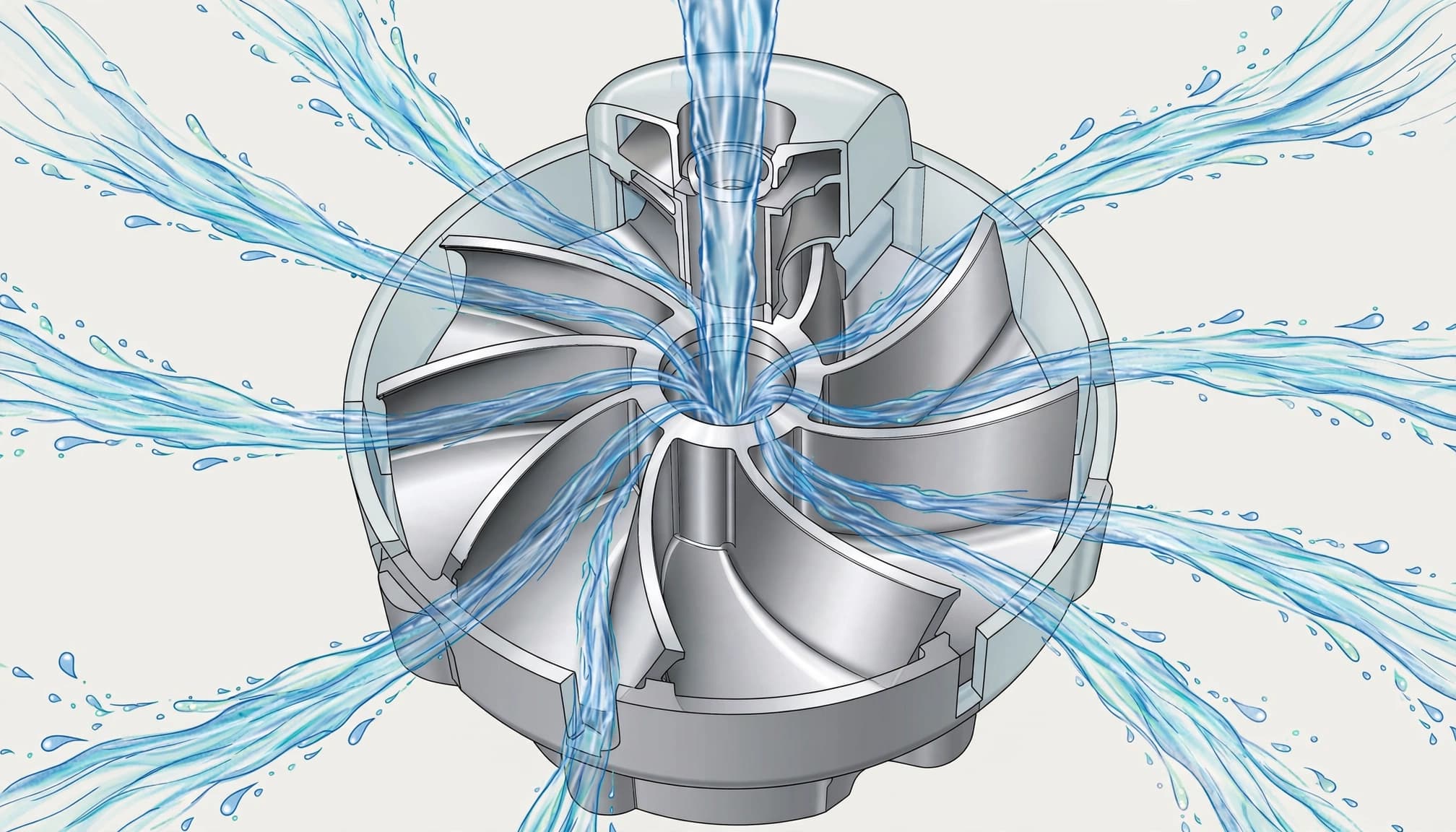
When debris obstructs the impeller or its vanes become damaged, the pump may move less water. A fountain that normally produces a full, even display can lose height or appear weaker. Less water movement can also reduce the circulation the fountain provides.
Damage can affect operation beyond appearance. Material caught around the moving parts may produce noise or prevent the impeller from turning properly. A pump that continues to run with an obstruction can experience additional strain.
A weak spray alone doesn't establish the cause. The intake, nozzle, water level, and electrical system all affect fountain performance.
Symptoms That May Point to Impeller Trouble
A change in performance matters most when you compare it with the fountain's normal operation. Wind and spray settings can affect the display, so observe it under similar conditions when possible.
Reduced flow or an uneven display
A shorter plume, weaker streams, or a sputtering pattern can mean less water is reaching the nozzle. In some cases, debris or damage inside the pump is responsible. However, an intake screen covered in leaves or a nozzle restricted by mineral buildup can produce a similar result.
If the pump appears to run but little water moves, shut it down and arrange an inspection. Continuing to operate a fountain with little flow can place unnecessary strain on the equipment.
Grinding, rattling, or vibration
New grinding or rattling sounds can point to debris in the pump or worn internal components. Unusual vibration can also accompany a mechanical problem, though loose mounting hardware or another issue may be involved.
Repeated breaker trips, a damaged cable, or a fountain that stops and starts are reasons to stop using the system and arrange professional service. Our lake fountain maintenance checklist covers these warning signs in more detail.
Rule Out Other Causes of Weak Flow
Before assuming the lake fountain impeller needs attention, consider the parts of the system that can restrict water before or after it reaches the pump.
Intake screens and nozzles
Leaves, algae, sediment, and grass clippings can collect on an intake screen. When the screen restricts the water supply, the pump may produce a weaker display even if its internal parts are intact.
Nozzle openings can also collect algae and mineral deposits. One blocked opening may distort one side of a spray, while more widespread buildup can reduce height. Our guide to lake fountain nozzle patterns and spray heights explains how the nozzle and pump affect the display.
Water level, position, and power
A low lake level can leave the pump outside its recommended operating conditions. Drawing air or running dry can damage equipment. A tilted float, meanwhile, can make a pattern look uneven even when flow is adequate.
Electrical faults can prevent a pump from operating normally. Damaged cords, recurring breaker trips, and electrical concerns require qualified service. Don't keep restarting a fountain that repeatedly trips its protective device.
What Causes Impeller Problems?
Fountain pumps operate in water that can carry organic matter, sediment, and other material. The conditions around the intake influence how much debris reaches the equipment.
Debris and sediment
Leaves, twigs, plant matter, and plastic can accumulate around the intake. Some material may also reach moving components or restrict passages inside the pump. After a storm or landscaping work, extra debris in the lake can make a blockage more likely.
Sediment is another concern, particularly when an intake sits close to the lake bottom. As water moves through the equipment, suspended particles can contribute to wear over time. Good placement and regular cleaning help limit the amount of material reaching the pump.
Low water and restricted intake
The pump needs an adequate water supply to operate as intended. If the lake level drops too far or the intake becomes heavily clogged, flow through the pump can suffer. Running the fountain dry can cause permanent pump damage.
Algae and mineral buildup can also make routine care more demanding. In Southwest Florida, warm water and sunlight may mean some properties need more frequent attention than a lake with little debris or algae.
Repair Options for a Damaged Fountain Pump
The appropriate repair depends on what an inspection finds. A technician needs to distinguish an obstruction from physical damage and look for related problems before recommending parts.
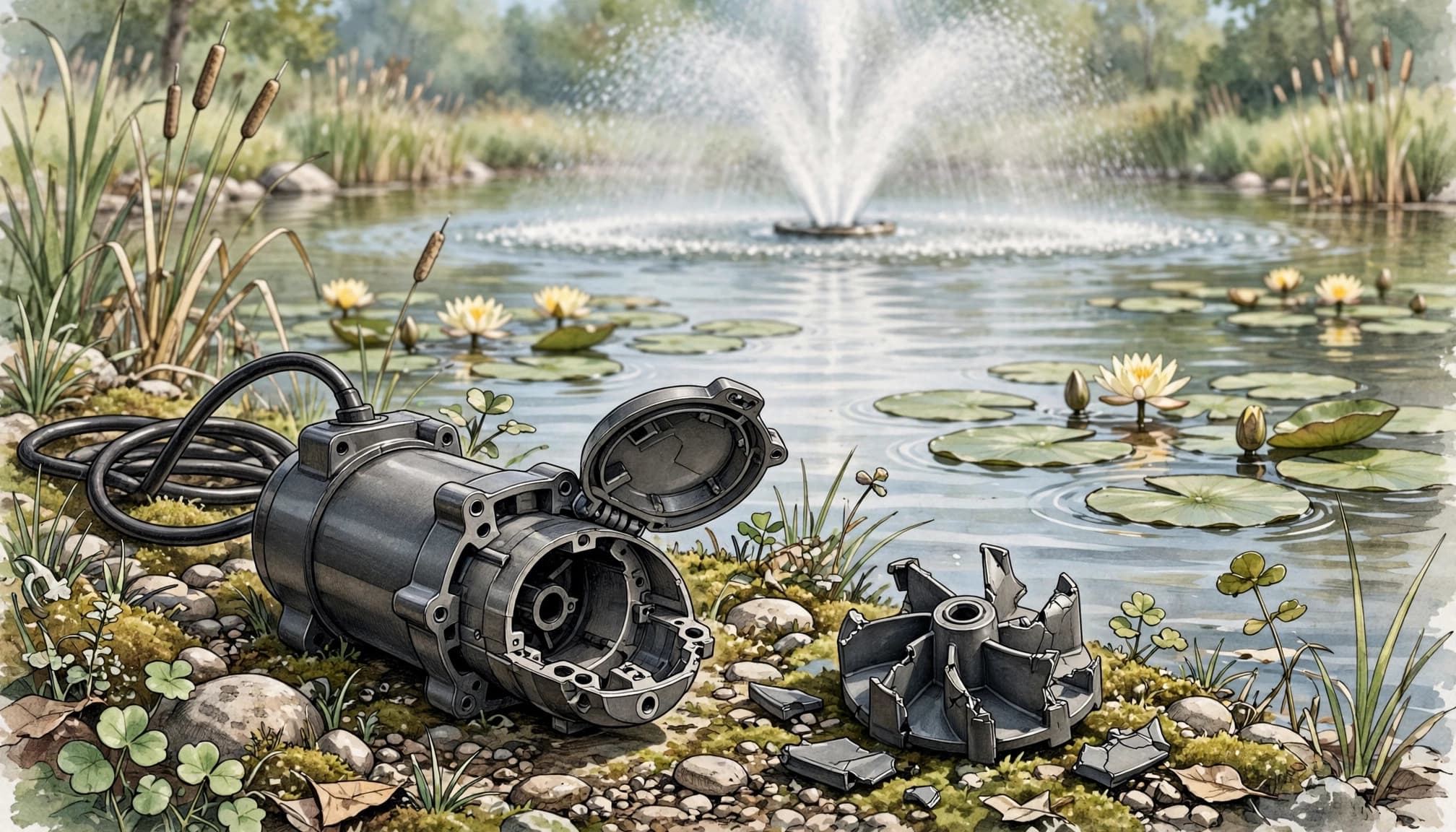
Cleaning and removing obstructions
If debris is restricting flow, service may focus on cleaning the intake screen, nozzle, pump passages, and accessible components. This can restore normal performance when buildup is the cause.
A technician can also inspect the impeller and surrounding housing for signs of damage while the equipment is accessible. Our lake water fountain repair guide covers other common pump and nozzle problems that can affect a display.
Replacing the impeller or pump
When inspection finds a damaged impeller, replacing that component is one possible repair. If the pump has additional internal damage or other serious problems, replacing the pump assembly may be the more appropriate option.
The decision depends on the condition of the equipment and the parts available for the fountain. A service visit also gives the technician an opportunity to identify the cause of the damage, such as a clogged intake or low-water operation.
For a community fountain, the scope of the work matters as much as the part itself. Lifting a large unit, accessing submerged equipment, and returning it to position can require trained personnel and appropriate equipment.
Choosing the Right Replacement Part
A replacement starts with the identity of the fountain and pump , not the appearance of the impeller alone. Keep the original equipment paperwork with your maintenance records, along with any information from previous repairs.
The pump model and the fountain manufacturer's part information help identify the intended replacement. The motor nameplate can provide useful details, but it doesn't identify every pump component on its own. A replacement decision may also depend on the particular pump assembly installed in the fountain.
If you're managing a shared lake, give the service technician the equipment records before the visit. Include the fountain model, installation information, and a description of the symptoms. Photos of the normal spray and the changed display can also help communicate what has happened.
Avoid choosing a part solely because it resembles the old one. A proper repair includes attention to the pump's condition and the source of the original problem, not only the component being replaced.
When to Arrange Professional Service
Shut off the fountain and arrange service if you hear grinding, see unusual vibration, notice a persistent loss of flow, or encounter repeated breaker trips. A drifting fountain, damaged cable, or storm-related damage also calls for attention.
Never enter the water or handle submerged components while the system has power. Shut off the disconnect before inspection or service. Large floating fountains often require lifting equipment and trained personnel, so don't improvise a retrieval from shore.
A technician can inspect more than the pump. The visit may include the intake screen, nozzle, float, anchors, and cables, depending on the symptoms. That broader inspection matters because an uneven spray or loss of flow can have several causes at once.
At Trademark Water Systems, we provide lake fountain installation, repair, and maintenance in Naples and Southwest Florida. We can help homeowners and communities address changes in fountain performance.
Prevent Impeller Problems With Routine Care
The lake's conditions should guide the maintenance schedule. A fountain near trees, in a shallow pond, or in water with heavy algae may need attention more often than one in open water with little debris.
Observe the fountain from shore regularly, especially during heavy leaf fall or algae growth. Note changes in spray height, sound, and water level. After a major storm, look for floating branches, trash, cloudy water, or a fountain that has shifted position.
Remove loose debris near the shoreline when it's safe to do so. Leave underwater cleaning and equipment access to trained personnel after the system has been made safe. Our guide to routine lake fountain maintenance explains how cleaning and inspection support a consistent display.
For an HOA, a simple service record can make future repairs easier. Record the fountain model, normal spray pattern, maintenance dates, and any changes in operation. That history gives the next property manager or technician a useful starting point.
Restore the Fountain's Flow
A damaged or obstructed impeller can reduce a lake fountain's flow, but the same symptom can come from a clogged screen, nozzle buildup, low water, or another fault. An inspection helps identify the source before you commit to a repair.
If your fountain has lost its usual spray or developed a new noise, shut it down when the symptoms indicate trouble and arrange service. Addressing the cause can help protect the pump and restore the display your property expects.
Latest posts
Read Our Blog
Tips, guides, industry best practices, and news.


Contact us
Get in touch
Our friendly team is ready to chat.
