
Reverse Osmosis vs Distillation for Well Water
Clear well water can still contain nitrate, arsenic, bacteria, dissolved minerals, or other contaminants you can't see, smell, or taste. That makes the choice between reverse osmosis and distillation more important than a simple comparison of price or equipment size.
Reverse osmosis usually fits under a kitchen sink and treats drinking water as you need it. Distillation boils water and collects the condensed vapor in a storage tank. Neither system treats every water problem, and neither replaces proper well testing. Your test results should guide the decision.
Key Takeaways
- Reverse osmosis is usually the practical choice for better-tasting drinking and cooking water.
- Distillation can reduce many dissolved contaminants and inactivate microorganisms during heating.
- Neither system should be treated as a complete whole-house solution for an unsafe well.
- Water testing should identify the contaminant before you choose equipment.
- Bacteria, iron, sulfur, hardness, and sediment may require treatment before or alongside either method.
How Reverse Osmosis and Distillation Treat Well Water
Reverse osmosis uses water pressure to push water through a semipermeable membrane. The membrane allows water molecules through while reducing many dissolved substances. A separate stream carries concentrated contaminants to a drain.
A typical reverse osmosis system includes sediment filtration, carbon filtration, the RO membrane, a storage tank, and a dedicated faucet. Some systems add a final carbon filter or mineral cartridge. Because the system treats a small amount of water at a time, it usually operates as a point-of-use drinking-water system .
Distillation takes a different route. The unit heats water until it becomes vapor, then cools that vapor back into liquid water. Many minerals, salts, metals, and other nonvolatile contaminants remain in the boiling chamber instead of entering the collection vessel.
The heating stage also inactivates many microorganisms. However, a poorly maintained storage tank or faucet can introduce contamination after treatment. Volatile chemicals may also travel with the steam unless the distiller includes suitable vapor controls, such as activated carbon.
Neither method automatically makes every well water supply safe. Reverse osmosis doesn't disinfect the well, pressure tank, or household plumbing. Distillation treats water inside the unit, but it doesn't correct a damaged well casing or ongoing contamination at the source.
Reverse Osmosis for Well Water: Strengths and Limitations
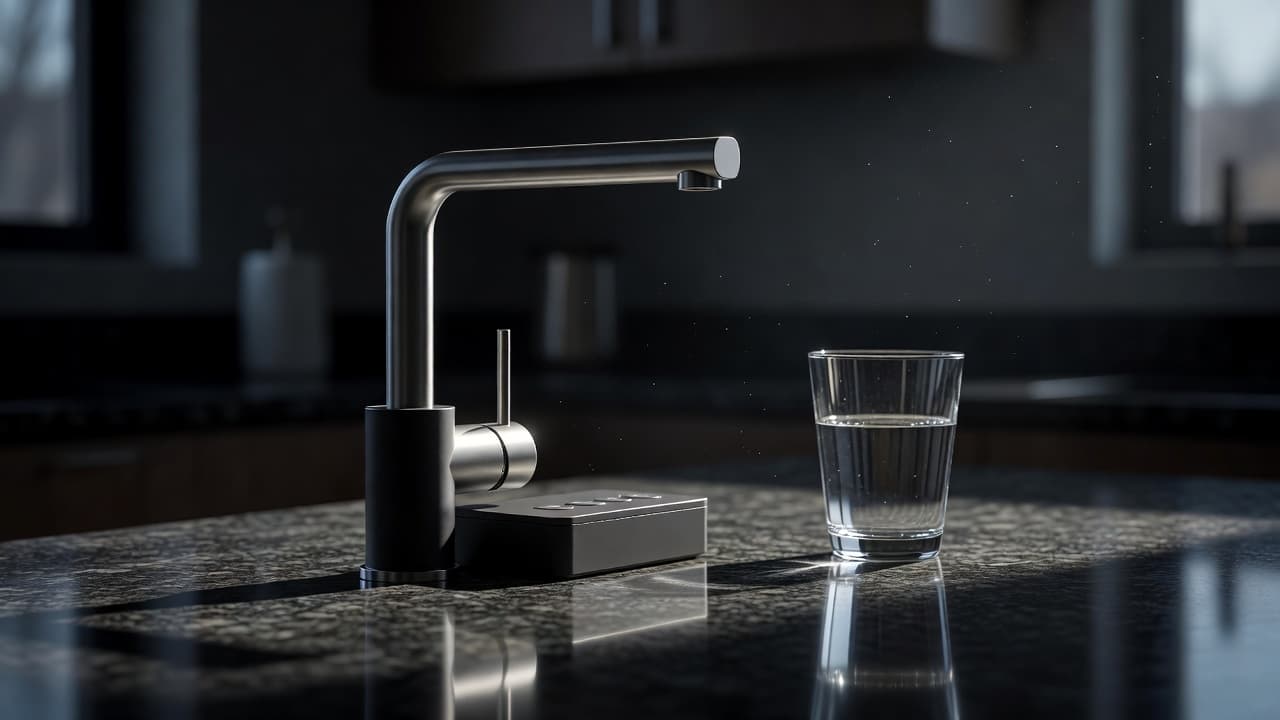
Reverse osmosis is often the better fit when your main goal is cleaner-tasting water for drinking, cooking, coffee, and ice. Depending on the membrane and certification, an RO system can reduce dissolved solids, sodium, chloride, nitrate, fluoride, arsenic, lead, copper, and some other contaminants.
The exact performance depends on the equipment and the chemistry of your water. For example, arsenic treatment can depend on the form of arsenic present. A certified system designed for the specific contaminant gives you a more reliable result than a generic membrane.
RO also has practical limitations. Well water with heavy sediment, iron, manganese, sulfur, or excessive hardness can shorten filter life and foul the membrane. Pretreatment may include a sediment filter, iron filter, water softener, carbon filter, or another system selected after testing.
The membrane also produces wastewater. For every gallon of treated water, the amount sent to the drain varies by system design, water pressure, temperature, and membrane condition. Modern systems can use less water than older models, but wastewater remains part of the operating cost.
Filter and membrane replacement are essential. A neglected system can deliver poor flow and lower contaminant reduction. Taste can also change if carbon filters remain in service too long.
RO is rarely the right answer for every faucet in a large home. Treating the entire household supply would require more equipment, higher flow capacity, and a different design. Most homeowners install RO at the kitchen sink and use separate whole-house treatment for problems such as sediment, hardness, iron, or odor.
Homeowners who want to compare equipment and pretreatment options can review these residential water conditioning systems before selecting a drinking-water unit.
Distilled Water for Well Water: Where It Fits
Distillation can produce water with very low mineral content. That can help when testing shows high levels of dissolved solids, certain metals, or minerals that affect taste and leave scale on fixtures or appliances.
The process doesn't depend on a membrane, so it avoids membrane fouling. However, mineral deposits still collect inside the boiling chamber. You must clean the chamber regularly, especially when the source water is hard.
Distillers are usually batch appliances. They heat a set amount of water, collect it, and then repeat the cycle. That makes them less convenient for a household that needs a steady supply for drinking, cooking, and ice. The heating element also uses electricity, so operating costs can increase with daily production.
Distillation may reduce or remove many nonvolatile substances, but the result depends on the unit's design. Some volatile organic compounds can carry over with steam. A carbon post-filter can help address that concern, but the filter still needs regular replacement.
Distilled water can taste flat because it contains few minerals. Some people prefer that taste, while others prefer the flavor of RO water or water that passes through a remineralization cartridge.
Distillation also doesn't repair the well or disinfect the distribution system. Although the boiling process treats water in the machine, contamination can return through dirty storage containers, poor maintenance, or an unsafe faucet.
Reverse Osmosis vs Distillation: A Practical Comparison
The right system depends on what your water test finds and how you use water at home.
| Factor | Reverse osmosis | Distillation |
|---|---|---|
| Main process | Pressure-driven membrane filtration | Boiling and vapor condensation |
| Typical installation | Under-sink point-of-use system | Countertop or freestanding batch unit |
| Dissolved minerals | Reduces many minerals and salts | Removes many nonvolatile minerals |
| Microorganisms | Does not replace disinfection | Heat inactivates many microorganisms in the unit |
| Wastewater | Sends concentrated water to a drain | Produces little liquid wastewater |
| Energy use | Uses water pressure and may use a pump | Uses electricity for heating |
| Maintenance | Filter and membrane replacement | Chamber cleaning and filter replacement |
| Best fit | Convenient drinking and cooking water | Small batches with very low mineral content |
The table gives a useful starting point, but the contaminant list matters more than the treatment label. A system that performs well for nitrate may not address bacteria, volatile chemicals, or heavy iron.
For example, a positive coliform test calls for investigation and disinfection of the well system. An under-sink RO unit can provide treated drinking water, but it won't correct the source problem. High hardness may call for a softener before RO, while iron and manganese may require oxidation and filtration.
Choose Treatment After a Well Water Test
Start with a laboratory test rather than a product brochure. Use a certified laboratory and follow its sampling instructions. A poorly collected sample can produce misleading results, especially when testing for bacteria.
Private well owners commonly test for total coliform bacteria and nitrate each year, then add other tests based on local geology, nearby land use, plumbing materials, and previous results. A state or county health department can help identify an appropriate panel.
Useful tests may include:
- pH, hardness, alkalinity, and total dissolved solids
- Iron, manganese, sulfur-related odor, chloride, and sulfate
- Nitrate and nitrite
- Arsenic, lead, copper, and fluoride
- Volatile organic compounds when fuel, solvents, or industrial activity pose a concern
- Total coliform and E. coli bacteria
Test after flooding, well repairs, changes in taste or odor, or a change in water appearance. Also test before installing treatment. A water professional can match pretreatment, disinfection, storage, and final filtration to the results.
Use this decision framework:
- If dissolved salts, nitrate, certain metals, or unwanted taste are the main concerns , compare a certified RO system with the contaminant reduction claims you need.
- If you need low-mineral water in small batches , distillation may fit, provided the unit includes appropriate vapor controls and you can maintain it.
- If bacteria are present , investigate and disinfect the well and plumbing. Consider whole-house disinfection, such as ultraviolet treatment or a properly designed chlorination system, based on professional guidance.
- If iron, manganese, sediment, sulfur odor, or hardness are high , install suitable pretreatment before expecting good RO performance.
- If the concern affects every faucet , plan a whole-house treatment system. An under-sink RO unit only treats the water connected to that unit.
Ask about flow rate, storage capacity, wastewater, replacement intervals, electricity, drain connections, and service access. If your well pump produces low pressure, an RO system may need a booster pump. If your water changes seasonally, retesting may be necessary.
A water treatment system should match a measured contaminant, not a vague concern about "impurities."
Which System Is Better for Your Home?
For many well owners, reverse osmosis offers the better balance of convenience, taste, and contaminant reduction at the kitchen sink. It provides treated water on demand through a storage tank and can reduce a broad range of dissolved contaminants when properly selected.
Distillation has a place when you want very low-mineral water and don't mind batch production, electricity use, and regular chamber cleaning. It can also provide a useful treatment barrier inside the appliance, but the unit still needs clean handling and maintenance.
The best choice can be a combination. Whole-house pretreatment can manage sediment, hardness, iron, or odor, while RO supplies drinking water at one faucet. In another home, a tested water supply may support a distiller for limited daily use.
Conclusion
The reverse osmosis versus distillation decision starts with the well, not the equipment. RO usually works best as a point-of-use drinking-water system, while distillation suits smaller batches of low-mineral water. Both require maintenance, and neither replaces source testing or proper disinfection when bacteria affect the well.
Once you know which contaminants are present, you can select treatment that fits your home's water use, plumbing, budget, and maintenance routine. Clean-looking water deserves careful testing before it reaches your glass.
Latest posts
Read Our Blog
Tips, guides, industry best practices, and news.


Contact us
Get in touch
Our friendly team is ready to chat.