
Why a Lake Fountain Motor Fails an Insulation Test
A failed fountain motor insulation test means electricity may be finding an unintended path through weakened or wet insulation. Water inside the motor is one possible cause, but a damaged cable, a faulty splice, or contamination can produce a low reading too.
For a homeowner or community association, the next step is to keep the fountain off and identify which component failed . That distinction can determine whether the repair involves a cable connection or the entire motor.
Key Takeaways
A low insulation-resistance reading is a safety warning, but it doesn't identify the damaged part on its own. A test taken at the shore may include the cable, splice, and motor in one result.
A qualified technician can narrow the fault by testing the motor and cable separately when the equipment design permits it. Moisture, damaged insulation, and contamination all need attention before the fountain returns to service.
What a Fountain Motor Insulation Test Measures
An insulation-resistance test assesses how well the insulating material resists electrical leakage. A technician uses a specialized tester to measure resistance between electrical conductors and the grounded motor housing or other relevant parts of the circuit.
Results are expressed in megohms . A low reading can indicate a path for current to escape where it shouldn't. That path may involve damp windings, damaged cable insulation, or a wet connection.
The test doesn't show every kind of motor problem. For example, a motor can have a mechanical issue or certain winding faults without a low reading to ground. Similarly, a tripped breaker doesn't automatically mean insulation has failed: overloads and supply problems can cause trips too.
If your fountain has stopped repeatedly, our guide to lake fountain pump electrical problems explains other possible causes.
Common Causes of Insulation Failure
Lake fountains operate in a demanding setting. The motor sits in or near water, while its cable may run along the lakebed, through conduit, and into outdoor electrical equipment. A problem at any of those points can affect a combined test.
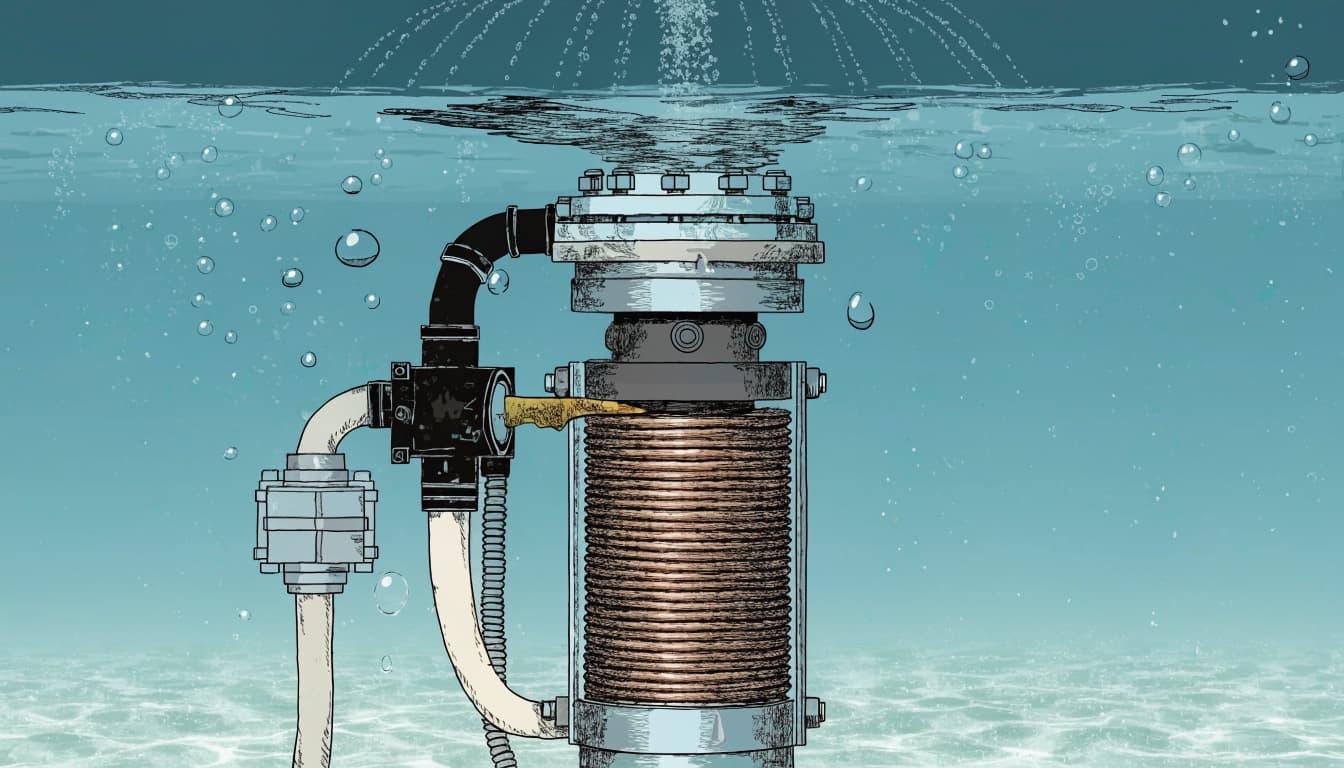
Water in the motor, cable, or splice
A worn seal, damaged housing, cracked cable jacket, or compromised underwater splice can allow moisture to reach electrical components. Once water reaches an unprotected conductor or winding, it can create a leakage path.
Cable damage isn't always obvious from shore. Movement can rub the cable against a rough surface, while pinching or strain can damage a section near conduit or the motor entry. Cuts, flattened spots, chew marks, and brittle insulation are warning signs.
A failed reading alone can't establish where water entered. The technician needs to inspect and isolate the affected components.
Winding wear and contamination
Motor winding insulation can deteriorate with age, heat, or damage associated with a failing motor. A blocked intake or a mechanical problem can increase motor strain, although those symptoms alone don't prove that winding insulation has failed.
Contamination can also affect a reading. Moisture mixed with dirt or other deposits at exposed terminals or inside a damaged connection can provide a path for leakage. Inside a motor, contamination may indicate that the housing or a seal has been compromised.
Cleaning an intake may help the pump operate properly, but it won't repair damaged electrical insulation.
Make Safety the First Step
Keep the fountain shut down after a failed insulation test or repeated protective-device trips. Don't enter the water or touch the pump, float, cable, or submerged connections while the equipment has power.
Turn off the fountain at its proper disconnect or breaker before inspection. If the disconnect is wet, damaged, inaccessible, or surrounded by standing water, stay clear and call a qualified electrician. A GFCI is an important protection, but it doesn't make a damaged cable safe to handle.
A qualified person should secure the system against an unexpected restart and verify that it is de-energized before working on it. Insulation testing and electrical repairs belong in trained hands.
How to Distinguish a Motor Fault From a Cable Fault
A test taken from the control panel can include several connected components. To narrow the problem, a technician separates the motor and cable for individual testing when the fountain's design allows it.
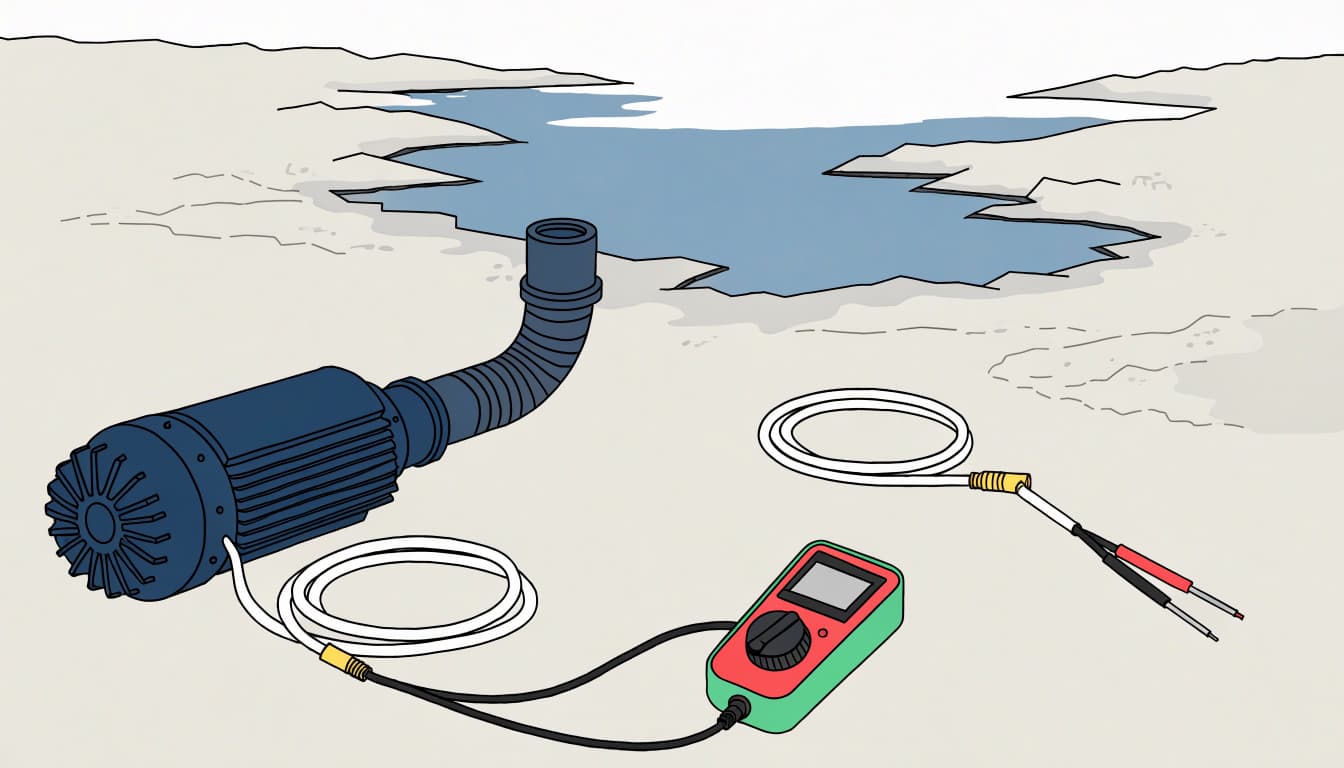
Compare the separated components
The pattern of results helps locate the problem.
| Separated test result | What it suggests |
|---|---|
| Cable reads low; motor reads acceptable | The cable, its termination, or a splice deserves attention. |
| Motor reads low; cable reads acceptable | The motor or its attached lead deserves attention. |
| Both read low | Both paths need investigation; moisture or damage may be present in more than one place. |
| Both read acceptable | The original fault may be intermittent or related to a connection or test condition. |
These patterns narrow the search. They don't replace inspection of the parts included in each test.
Know where the cable ends and the motor begins
Some motors have a permanently attached lead or a sealed connection that isn't intended to be opened in the field. In that case, a "motor" test may still include part of the cable.
A technician can account for that limitation when interpreting the results. Don't cut a factory lead or open a sealed motor housing to create a test point. That can introduce another fault and make repair more difficult.
How to Interpret a Low Reading in Context
A useful test record identifies what was connected when the reading was taken. A result from the shore, for example, isn't directly comparable to a later reading on the motor alone.
Consider moisture and test conditions
Moisture and contamination at an exposed connection can lower a reading. Temperature and the condition of the components during testing also matter, so technicians consider the circumstances alongside the measured value.
A reading that improves after a wet connection is addressed provides a clue about the leakage path. It doesn't establish that a damaged seal, cable jacket, or splice is sound. The source of the moisture still needs attention.
Compare readings over time
Earlier readings are most helpful when they cover the same equipment under comparable conditions. A declining trend can point to deterioration before a complete shutdown.
A reading that appears acceptable also has limits. It doesn't prove that bearings, the impeller, or every part of a winding is in good condition. The technician should consider the test alongside the fountain's operating symptoms and inspection findings.
A Practical Troubleshooting Sequence
Give your service professional as much detail as you can without handling the equipment. A useful sequence is:
- Shut the system down. Keep people and pets away from the fountain and its electrical equipment. Don't keep resetting a tripped breaker or GFCI.
- Record the symptoms. Note whether the fountain stopped after rain, tripped immediately, made unusual noises, or showed reduced spray. Include recent storm damage or maintenance.
- Observe from a safe location. Look for visible cable abrasion, a shifted float, loose anchors, or water around the control area. Photograph damage without touching the equipment.
- Arrange separate testing. A qualified technician can assess the supply and connected equipment, then isolate the motor and cable where practical.
- Review the findings before repair. Ask which components were included in each reading and where damage or moisture was found. That information helps you compare repair and replacement options.
For community properties, a shared record of trip dates, weather, and service visits gives the next property manager useful context. Our Florida lake fountain maintenance checklist covers other observations worth recording.
Repair or Replace the Failed Component?
The right repair depends on the fault location and the condition of the surrounding equipment. A low combined reading shouldn't automatically lead to a new motor.
Cable and connection repairs
If testing identifies damage in a cable or splice, the repair may involve replacing the affected cable or restoring the connection with components suitable for the fountain and its underwater use. A damaged cable jacket also calls for attention to the route: a replacement can suffer the same wear if it rubs against a sharp edge.
Wet or corroded shore-side connections may need repair as well. Electrical work should be completed by qualified personnel using the appropriate parts and procedures.
Motor repair or replacement
A motor with water intrusion or deteriorated winding insulation may need repair or replacement. The decision depends on its design, the extent of the damage, and the availability of suitable parts.
A leaking seal can point to a repairable entry point, but replacing the seal alone doesn't restore damaged windings. Likewise, drying a motor without correcting the leak can leave the original problem in place.
After any repair, the equipment needs the applicable checks before it returns to operation. Our lake fountain repair and maintenance services are available to properties in Naples and Southwest Florida.
Frequently Asked Questions
Can a bad cable make a good motor appear to fail?
Yes. If the cable and motor are connected during the test, a cable fault can lower the combined reading. Separate testing helps identify which part is affected, provided the design allows the components to be isolated.
Does a tripped GFCI prove the motor is bad?
No. A GFCI can trip because current is taking an unintended path elsewhere, including through a damaged cable or wet connection. Keep the fountain off until a qualified professional identifies the cause.
Can a fountain run safely with a low insulation reading?
Don't return it to service based on a low reading alone. The cause needs to be identified and corrected, followed by the applicable checks. Repeated restarts can expose people and equipment to an unresolved electrical fault.
Find the Fault Before Replacing the Motor
A failed insulation test is a reason to stop and investigate. The motor may be damaged, but the cable or a connection can produce a similar result.
The most useful next step is a component-by-component diagnosis where the equipment permits it. That gives you a clearer basis for repair and helps keep an unresolved fault out of the lake.
Latest posts
Read Our Blog
Tips, guides, industry best practices, and news.


Contact us
Get in touch
Our friendly team is ready to chat.
