
Why Well Water Looks Cloudy Throughout the House
Cloudy water at every tap can make a home feel off in a hurry. One glass looks hazy, then the shower does too, and the problem starts to seem bigger than it is.
The good news is that cloudy well water often leaves clues. If it clears after sitting, shows up only on hot water, or appears after pump or filter work, the cause is usually easier to trace than it looks.
How to tell if the cloudiness is air or sediment
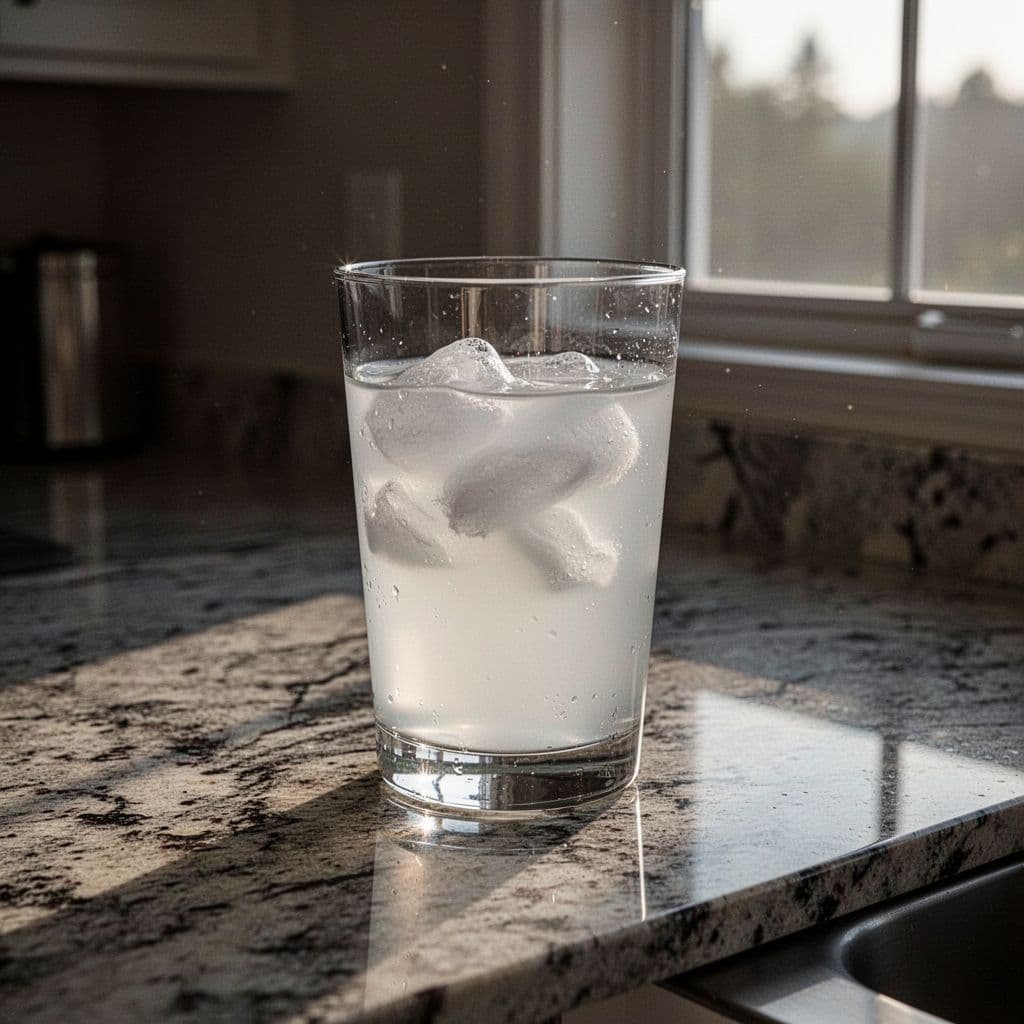
Start with a clear glass. Fill it, set it on the counter, and leave it alone for a few minutes. Air bubbles usually rise and clear from the bottom up. Sediment acts differently, because tiny particles settle, float unevenly, or leave a fine haze behind.
If the water clears from the bottom up, you're usually seeing air, not dirt.
That single check can save a lot of guesswork. If the water clears in a minute or two, the issue may be trapped air in the plumbing, a pump that is cycling oddly, or a pressure tank that is not working the way it should.
If it stays cloudy for a long time, pay closer attention. Fine sand, silt, and other material from the well can keep the water looking dull. A new filter can also release a brief cloud if it has not been flushed yet.
A few other clues help narrow it down:
- Run both hot and cold water, then compare them.
- Check more than one faucet, not just the kitchen sink.
- Watch whether the cloudiness appears after the pump runs.
- Look for grit, staining, or odor.
Check whether the problem is in one fixture or the whole house
If only one sink looks cloudy, the problem may be local. A clogged aerator, a short section of pipe, or debris in a faucet can do it. When every fixture shows the same haze, the source usually sits upstream, before the water reaches the branches inside the house.
Hot water and cold water tell a different story. If only the hot side is cloudy, the water heater may be full of sediment or mineral scale. If both sides are cloudy, the well, pump, pressure tank, or whole-house filter is a better place to look.
The timing matters too. Cloudiness that shows up after long idle periods, after a power loss, or after well service can point to disturbed sediment. If it appears right after a filter change, the cartridge may need flushing or the system may be releasing carbon fines.
When the cloudiness spreads through the whole house, the problem is rarely a single faucet. It usually sits in the supply line, the pump setup, or the treatment equipment that feeds the house.
Common causes of cloudy water in well homes
Several issues can make well water look hazy. Some are temporary. Others need a closer look.
| Cause | What you may notice | What it usually means |
|---|---|---|
| Air in the lines | Milky look that clears from the bottom up | Trapped air, a pump issue, or a pressure tank problem |
| Sediment from the well | Specks, grit, or cloudy water after pumping | Sand, silt, or disturbed material in the well or pipes |
| Water heater sediment | Cloudy only on hot water | Minerals or buildup inside the heater |
| Filter media or carbon fines | Cloudiness after filter replacement | The system needs flushing, service, or a new cartridge |
| Iron, manganese, or organics | Haze with staining or taste changes | Water quality issue that needs testing and treatment |
Cloudiness that comes and goes is often the least worrying sign, because air bubbles clear on their own. Cloudiness with grit or staining needs more attention. When odor joins the picture, the problem may include sulfur or bacteria, and fixing smelly well water supply can help you understand that side of the issue.
Sediment is common in wells, especially after heavy rain, pump work, or changes inside the well. A pressure tank can also stir up the line if it is failing or losing air balance. In that case, the water may look cloudy for a moment after the pump kicks on, then clear again.
Mineral issues can create a dull, hazy look too. Iron and manganese often bring color or staining with them, but they can also make water look less clear even before the stains show up on sinks or laundry.
What to test before you buy a fix
Water testing gives you facts instead of guesses. A basic test can check bacteria, iron, manganese, hardness, and pH. If the water has a strong odor, stains fixtures, or leaves slime, ask for a more complete test.
Testing matters because cloudy water is not always about particles. Sometimes the water looks hazy because minerals are out of balance, or because the system is pulling in air somewhere it shouldn't. A lab result helps you avoid buying the wrong filter for the wrong job.
Start with the problem you can see, then match the test to it. If the cloudiness is new after heavy rain, well work, or a pump repair, test sooner rather than later. If it has been there for months, check the water heater, pressure tank, and whole-house filter too.
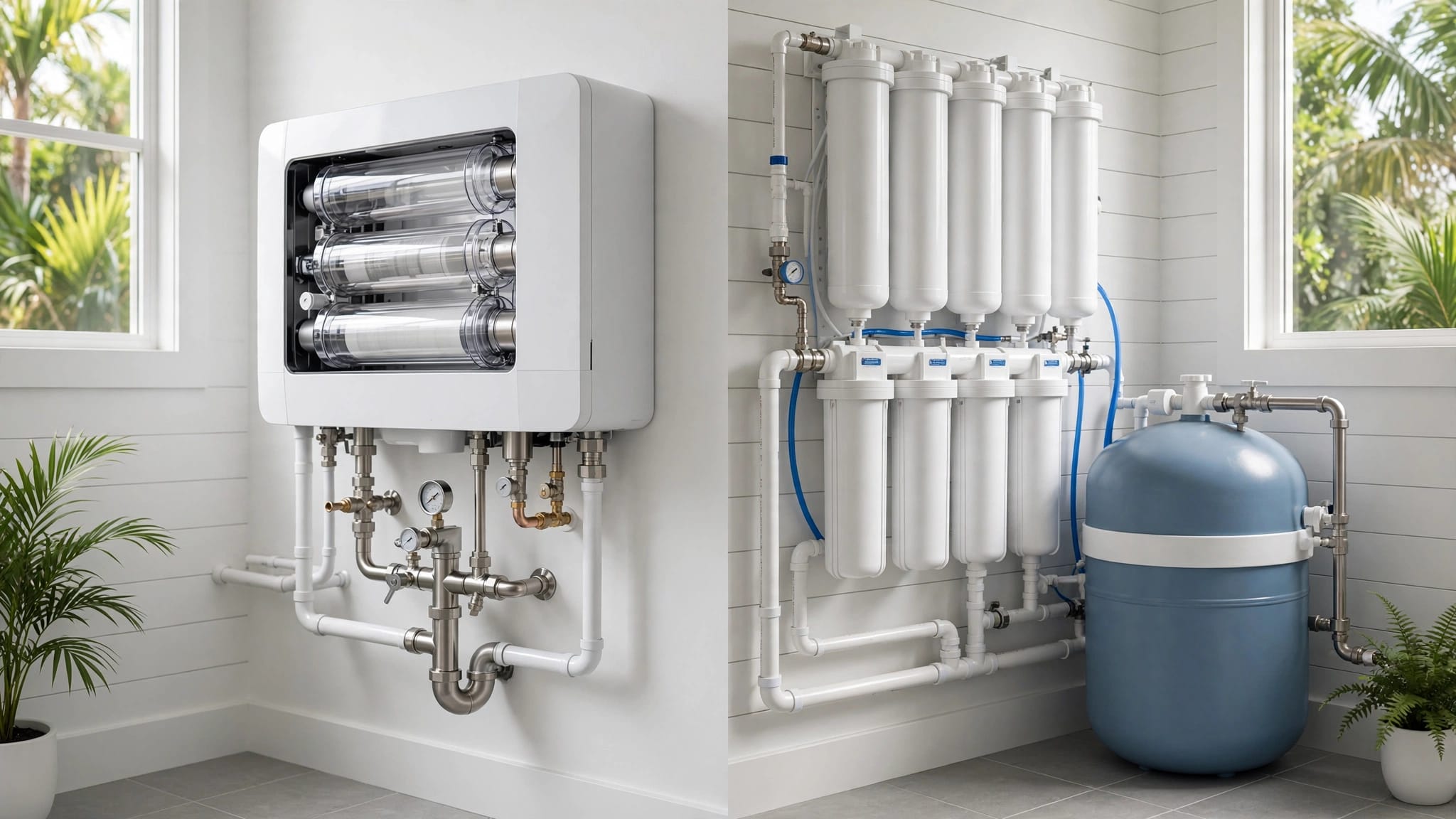
If you already have filtration, inspect it before assuming the well has changed. A dirty cartridge, worn media, or a bypass valve left open can make the whole house look worse than it really is. A small fix at the equipment can save a lot of time.
If the issue keeps showing up, professional water conditioning systems can address sediment, minerals, odors, and other well-water problems with the right setup for the home.
A good test also tells you what not to chase. For example, if the cloudiness comes from air, a softener won't solve it. If the issue is a heater full of scale, a new whole-house filter won't fix the hot water side. Matching the test to the symptom keeps the repair focused.
Treatment options that match the cause
No single solution clears every kind of cloudy water. Sediment often needs a sediment filter or a filter upgrade that can catch finer particles. Air issues may need a pump inspection, a pressure tank repair, or a search for a small leak that is letting air enter the line.
If the heater is the problem, flushing the tank can help. In some homes, a full replacement is smarter when the buildup is heavy. When minerals, iron, or manganese are part of the issue, the right treatment may include filtration, conditioning, or a reverse osmosis system for drinking water at the tap.
The key is to treat the cause, not the symptom. A temporary fix may make the water look better for a day or two, but it won't solve a failing pump, a clogged filter, or a well that keeps pulling up fines.
If the cloudiness is tied to your treatment equipment, the fix may be simple. A fresh cartridge, a proper flush, or a service call can bring the water back fast. If the problem keeps returning after you reset the system, that is a sign to look deeper.
Cloudiness that shows up throughout the house often points to a system issue, not a single bad faucet. That is why whole-home checks matter. They help you decide whether the answer is maintenance, repair, or a new treatment plan.
Conclusion
Cloudy water throughout the house usually leaves a pattern. If it clears after sitting, think air. If it brings grit, think sediment. If it's hot water only, look at the heater. If every tap looks the same, the issue is probably upstream.
Once you know how it behaves, the next step gets easier. Test the water, check the equipment, and match the fix to the cause instead of guessing. That saves time, money, and a lot of frustration at the sink.
Latest posts
Read Our Blog
Tips, guides, industry best practices, and news.


Contact us
Get in touch
Our friendly team is ready to chat.