Why Well Water Smells Like Sulfur After Rain
A sulfur smell after a storm can catch you off guard fast. One day your well water smells fine, and the next it smells like rotten eggs the moment the rain stops.
That odor often points to a change in the well, the groundwater, or the plumbing that carries the water into your home. It does not always mean danger, but it does mean something changed, and rain is often the trigger.
Why rain can change the smell of your well water
Heavy rain does more than wet the yard. It can raise the water table, push water through soil faster, and change how your well pulls water from the ground.
If your well is shallow, poorly sealed, or sitting in an area with poor drainage, rainwater can move toward it more easily. That water can carry organic matter, bacteria, or runoff from the surface. In other words, the storm may not be the problem itself. It may expose a weak spot that was already there.
A strong rain can also stir up water that has been sitting in low-oxygen pockets underground. When that happens, sulfur compounds become easier to notice. The smell may show up right away, or it may get worse after the water sits overnight.
A rotten egg smell after rain is often a warning sign, but not always an emergency. The timing matters as much as the odor itself.
The most common causes of sulfur smell in well water
The smell people describe most often comes from hydrogen sulfide gas . That gas smells like rotten eggs, even at low levels. It can be present naturally in groundwater, or it can form when bacteria break down sulfur-bearing material underground.
Rain can make that smell more noticeable in a few different ways.
| Cause | Why rain can trigger it | Common clue |
|---|---|---|
| Hydrogen sulfide gas | Rain changes pressure and water flow in the aquifer | Smell comes from multiple taps |
| Sulfur bacteria | Moist, low-oxygen conditions help bacteria grow | Odor gets stronger after sitting |
| Organic matter | Rain washes leaves, soil, and decaying material into weak spots | Smell may seem earthy or swampy too |
| Septic influence | Heavy rain can move contamination closer to the well | Smell appears after storms and needs testing |
| Water heater reaction | Warm water can react with the heater's anode rod | Odor shows up only on hot water |
The table shows an important point. A sulfur smell after rain can come from the water source, the well itself, or the plumbing in your home. The fix depends on which one is responsible.
Organic matter is easy to overlook. Fallen leaves, mulch, and soil can all add to the problem when rain pushes water through them. Septic systems matter too, especially if the well is close to a drain field or the ground stays soggy after storms.
If the odor appears only on hot water, the water heater may be the real source. That happens when sulfate in the water reacts inside the tank. Even then, the rain can still play a role if it changed the makeup of the water entering the heater.
What the odor means, and what it doesn't
A sulfur smell does not always mean your water is unsafe. In many homes, it is mostly a nuisance issue. The water can smell awful and still be free of serious contamination.
That said, a new odor after rain should not be brushed off. A sudden change can point to a damaged well cap, a cracked casing, poor drainage, or a contamination path that opens during storms. If the smell is stronger than usual, lasts more than a day or two, or shows up with cloudy water, you should take it seriously.
Watch for these signs:
- The smell appears right after heavy rain or flooding.
- The odor is stronger in some taps than others.
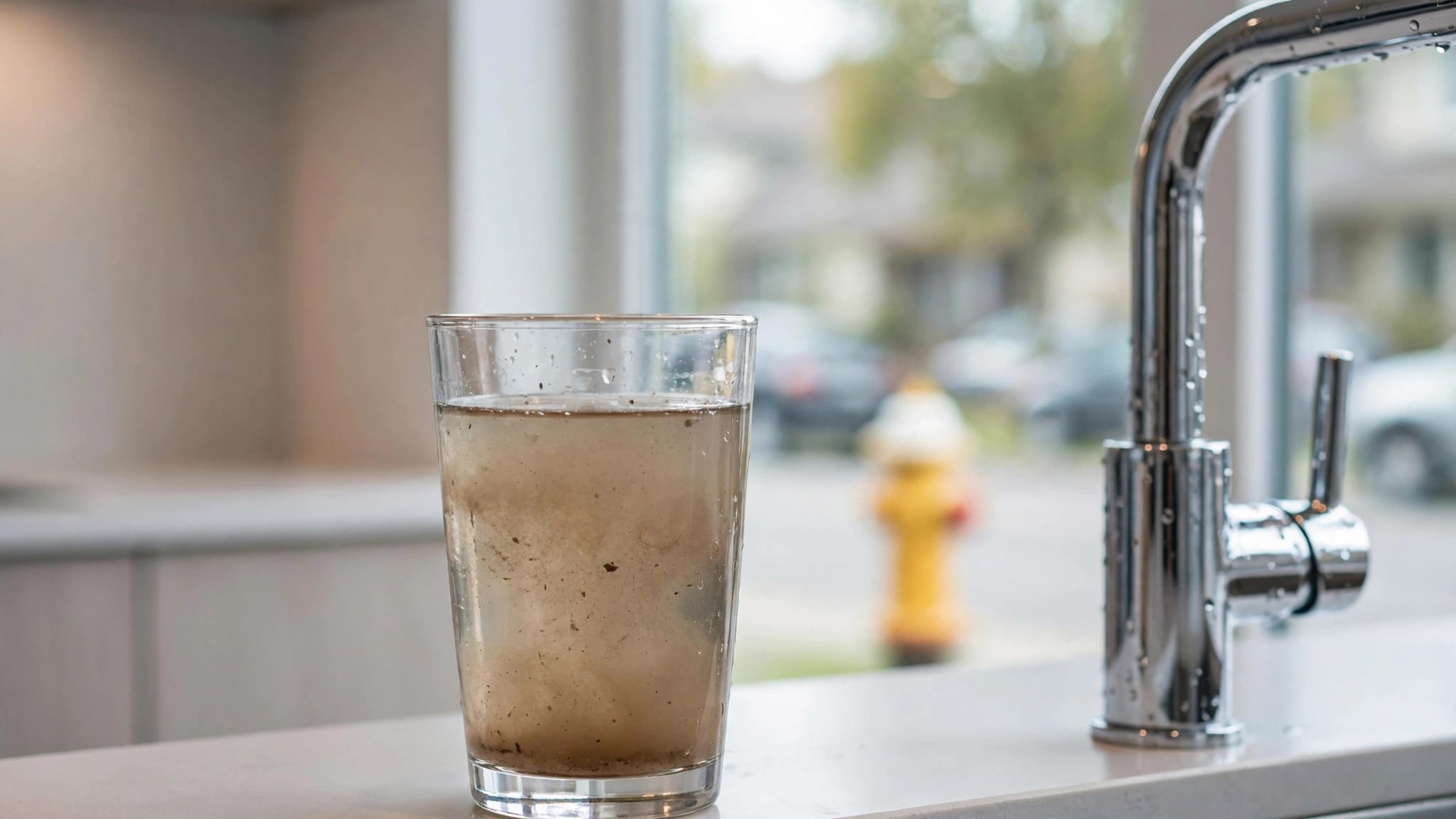
- Water tastes different, looks cloudy, or leaves residue.
- The smell comes with stomach upset, which needs prompt testing.
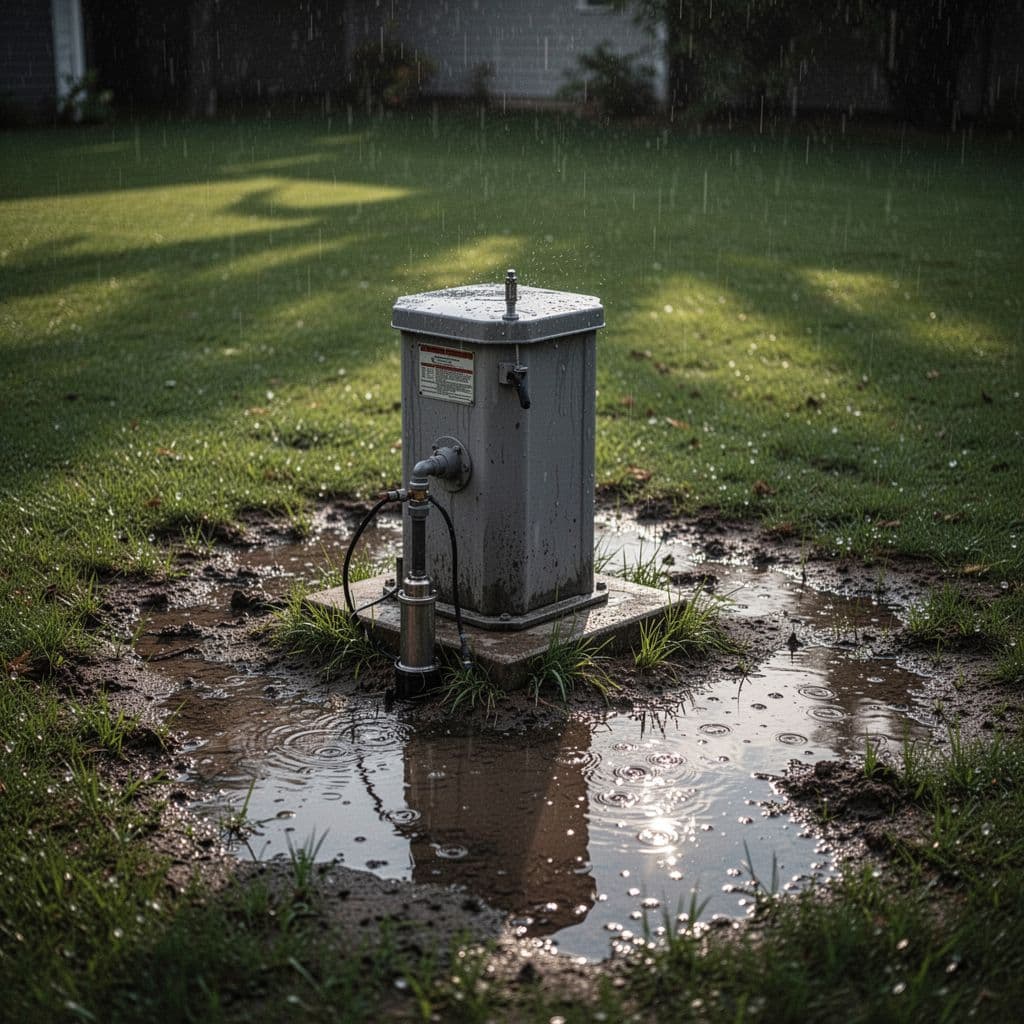
- You notice standing water, erosion, or muddy soil near the wellhead.
If any of those show up, water testing is the next smart step.
What you can check before calling for help
A few quick checks can tell you a lot about the source. Start with the simplest questions first.
- Find out if the smell is in hot water, cold water, or both.
If it is only hot water, the heater may be involved. If it is both, the issue is more likely in the well or source water. - Run each faucet for a few minutes.
Some odors fade after the water moves. If the smell stays the same, the source is probably steady, not temporary. - Check the area around the wellhead.
Look for standing water, mud, loose soil, or a damaged cap. The top of the well should stay clean, dry, and sealed. - Inspect drainage near the home.
Downspouts, grading, and runoff should move water away from the well. Water that pools near the casing can create trouble after every storm. - Compare one faucet to another.
If only one fixture smells, the issue may be local plumbing. If the whole house smells the same, the problem is wider. - Avoid guessing with chemicals.
Bleach and other fixes can help in some cases, but they can also make the wrong problem harder to spot. Test first if contamination is possible.
These steps won't solve every case, but they can narrow the cause fast. That matters because a sulfur smell from groundwater needs a different fix than a smell from a heater or faucet.
Testing and treatment that solve the problem
When the smell keeps coming back after rain, water testing is the safest move. A basic test can check for hydrogen sulfide , bacteria, and other signs that surface water or septic influence may be part of the problem.
If you live with a private well, test after a flooding event, a major storm, or any time the odor changes suddenly. Testing also matters if the well is older, shallow, or close to a septic system. Even if the smell turns out to be a nuisance issue, the test gives you a clear starting point.
The right treatment depends on the source:
- Shock chlorination can help when bacteria are the main issue, especially after contamination.
- Activated carbon filters can reduce odor at the tap.
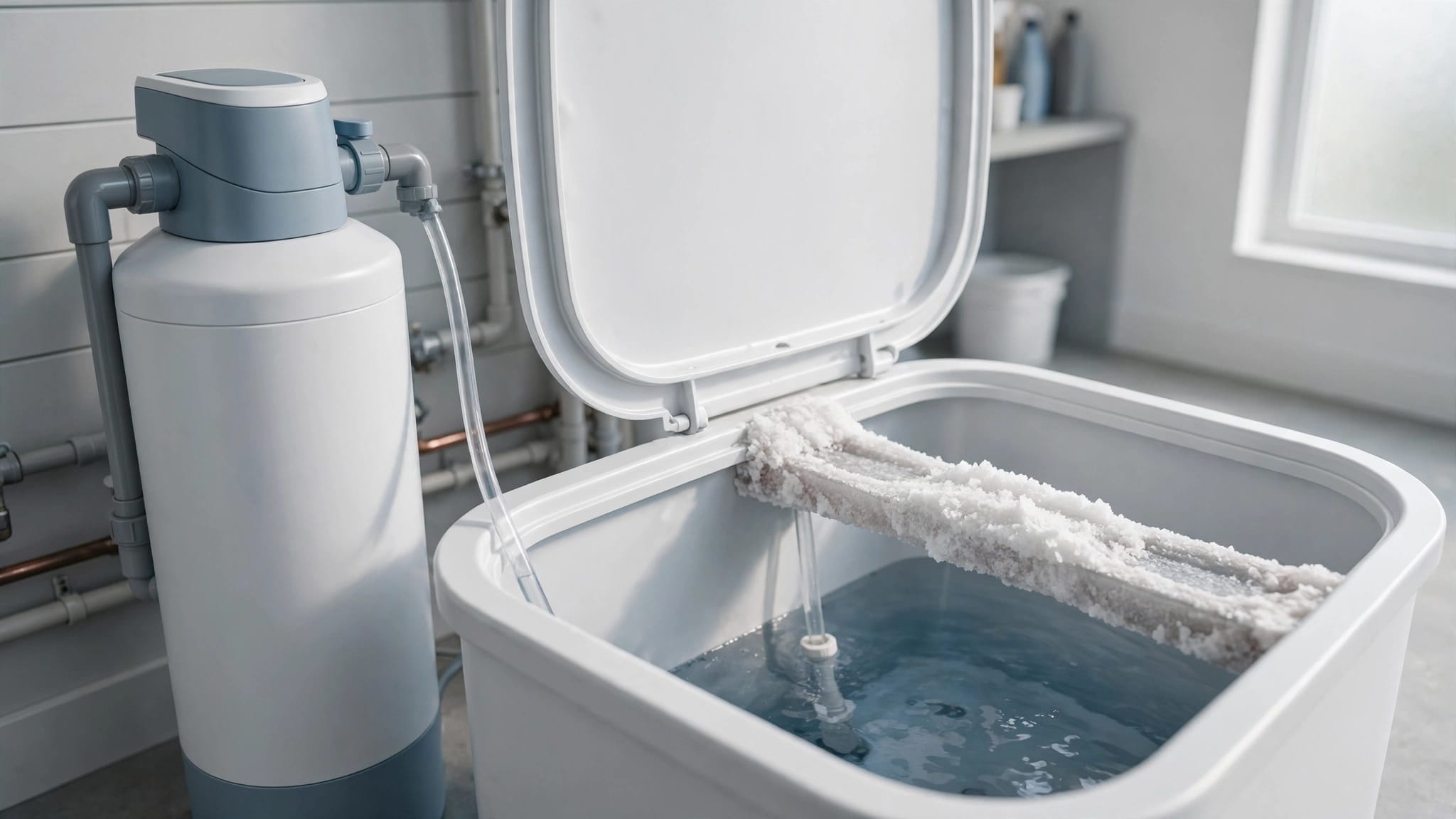
- Oxidizing filters can treat hydrogen sulfide in many homes.
- Aeration systems can release gas before it reaches your fixtures.
- Water heater maintenance can fix odors that only show up in hot water.
For some homes, the best solution is a mix of fixes. A well seal repair may stop storm water entry. A filter may remove the smell. A treatment system may handle both the odor and the bacteria that cause it.
Regular maintenance helps too. Keep the well cap sealed, check the area after storms, replace tired filters on schedule, and service any treatment system before the odor comes back. A small leak or loose fitting can turn into the same rainy-day smell again and again.
If your home also uses a lake fountain or other water feature, remember that standing water can hold odor and organic buildup too. Good circulation and clean equipment help water stay fresh, whether it comes from a well or a pond.
Conclusion
When well water smells like sulfur after rain, the storm is usually revealing a weak point, not creating a mystery from nothing. The cause may be hydrogen sulfide, sulfur bacteria, runoff, septic influence, or a plumbing issue that shows up once conditions change.
The good news is that the smell alone does not always mean your water is dangerous. The smart move is to check where the odor starts, inspect the well area, and test the water when contamination is possible.
If the smell keeps returning after rain, the source is sending you a message. Once you know where it starts, the fix becomes much easier.
Latest posts
Read Our Blog
Tips, guides, industry best practices, and news.


Contact us
Get in touch
Our friendly team is ready to chat.