
Why Whole-House RO Production Drops in Cold Weather
Cold feedwater reduces whole-house reverse osmosis production because water passes through the membrane more slowly at lower temperatures. A slower refill during cooler weather can be normal, but temperature alone doesn't explain every production problem.
Low feed pressure, clogged prefilters, and membrane scaling can cause similar symptoms. The useful distinction comes from comparing water temperature, operating pressure, production, and water quality together. Start with those conditions before changing settings or replacing equipment.
Key Takeaways
- Colder feedwater can reduce membrane output even when pressure appears normal. The amount depends on the membrane, water chemistry, and operating conditions.
- Low pressure and clogged prefilters can worsen a seasonal slowdown. Pressure readings taken while the RO runs are more useful than readings at rest.
- Storage helps meet short bursts of demand, but it can't correct a continuing production shortfall. Persistent low output, changing water quality, or unusual pump behavior deserves attention.
Why Cold Water Slows Whole-House Reverse Osmosis
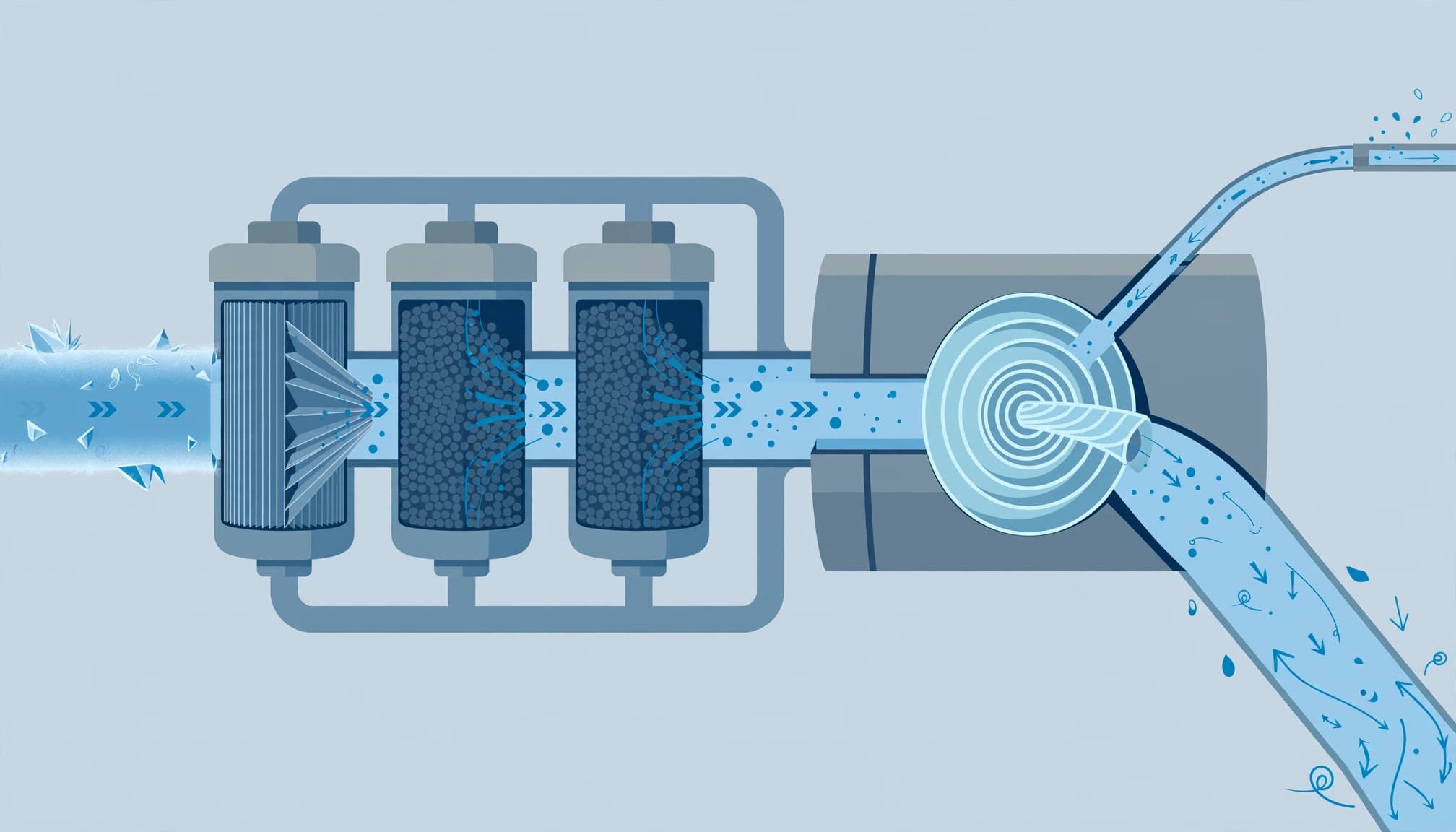
Temperature changes how quickly water crosses the membrane
An RO membrane separates incoming water into two streams. Treated water, called permeate, passes through the membrane. Concentrate carries rejected dissolved material toward the drain.
Pressure drives this separation, but temperature also affects the process. Colder water has higher viscosity, and the membrane's water permeability decreases as temperature falls. Together, these effects reduce permeate production under otherwise comparable conditions.
As a result, the system may run longer to produce the same volume. That behavior doesn't automatically mean the membrane needs replacement. However, cold water and a maintenance problem can occur together, so temperature shouldn't become the default explanation for every slowdown.
Rated capacity depends on operating conditions
A membrane's published production rating reflects defined test conditions. Your home's feedwater temperature, pressure, and dissolved-solids concentration may differ.
A system selected around warm-weather output may therefore have less production available during cooler conditions. There isn't one reliable percentage drop that applies to every whole-house installation.
Technicians use membrane-specific temperature correction information to compare performance under different conditions. They also account for pressure and feedwater quality. This comparison helps separate an expected seasonal change from output that remains too low after temperature differences are considered.
The relevant temperature is the water entering the RO , not the outdoor air temperature.
Separate Low Feed Pressure From Clogged Prefilters
Measure pressure while the system produces water
A pressure gauge can look normal when no water is moving. Once the RO starts, restrictions or inadequate pump delivery may cause the available pressure to fall.
Lower operating pressure reduces the driving force across the membrane. High total dissolved solids can also increase the pressure needed for production because the membrane must work against greater osmotic pressure.
Pressure measurements at the RO inlet during production are therefore more useful than a single idle reading. A technician may also compare performance while other household demands are running.
Don't raise well-pump controls or booster-pump pressure to chase a production rating. Pump settings must match the membrane, controls, plumbing, and equipment limits.
Look for restriction across pretreatment
Sediment cartridges and other pretreatment equipment create resistance as water moves through them. As filters collect debris, that resistance can increase and leave less pressure available downstream.
Comparing readings before and after pretreatment helps locate a restriction. A growing pressure difference across a filter supports a different diagnosis than lower output with stable operating pressure and colder feedwater.
Filter appearance alone isn't enough. A cartridge can restrict flow without looking heavily soiled, while exhausted carbon may no longer provide adequate chemical protection despite acceptable flow.
Pretreatment also protects membrane condition. Our explanation of well water purification stages covers how sediment, carbon, softening, and RO address different water problems.
Scaling and Fouling Need a Different Response
Mineral scale and fouling can reduce membrane production independently of temperature. Hardness minerals can form deposits, while iron, sediment, and other material can foul membrane surfaces.
Silica can create another treatment challenge. Our guide to protecting membranes from high silica explains why source-water chemistry and operating conditions matter.
A temperature-related slowdown should broadly track feedwater conditions. By contrast, a decline that continues after the water warms, or persists after temperature correction, points toward further investigation.
Recovery also matters. It describes the share of incoming water that becomes permeate. As recovery increases, the remaining concentrate contains more dissolved material, which can increase scaling risk.
Don't restrict the concentrate line to force more treated-water production. Likewise, don't add an unapproved membrane cleaner. Incorrect recovery settings or incompatible chemicals can damage equipment.
A qualified technician can assess whether compatible cleaning, pretreatment changes, or membrane replacement is appropriate. Cold weather alone doesn't justify any of those steps.
Safe Checks Before Adjusting Your RO System
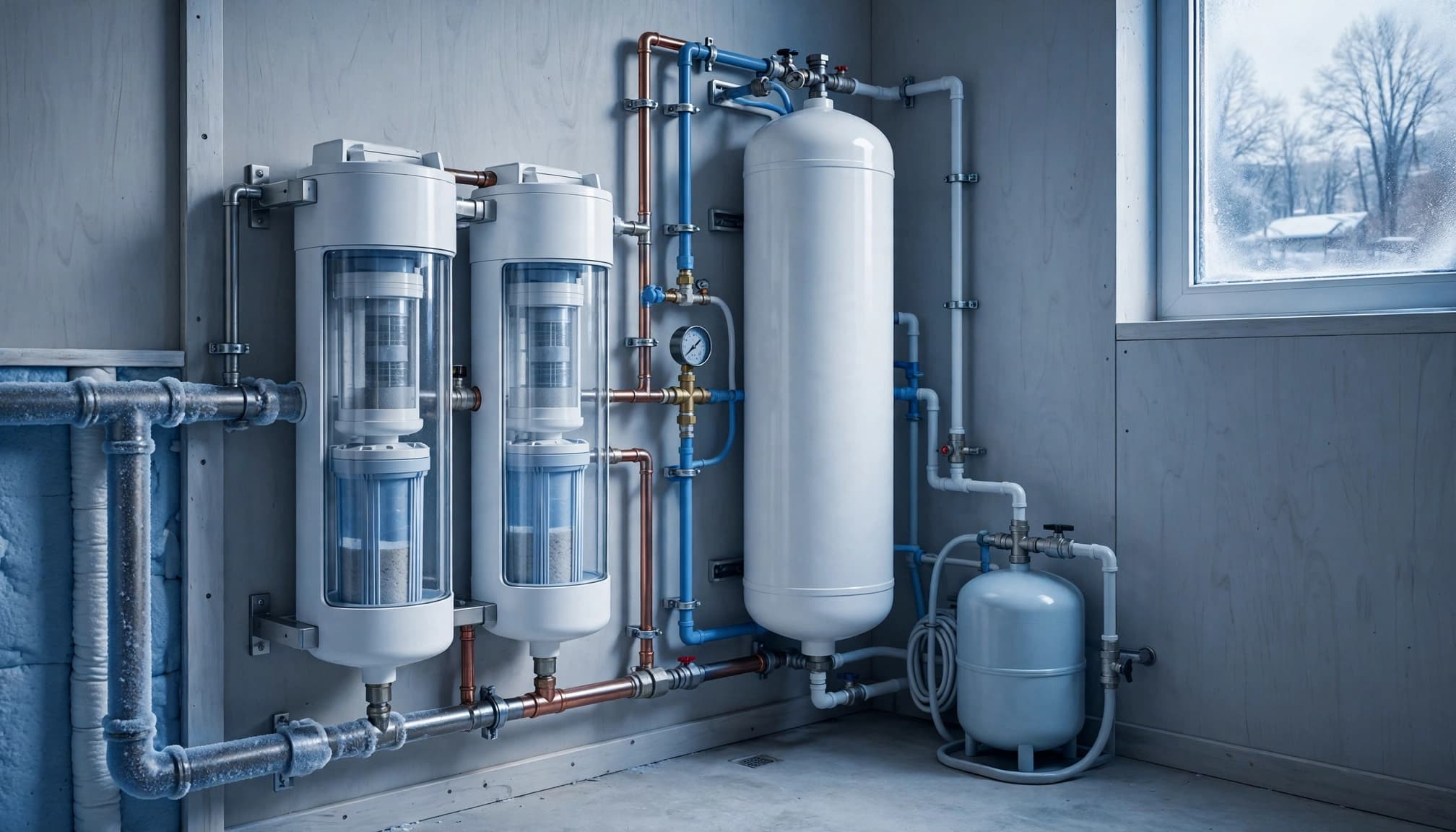
Start with observations and existing instruments
First, identify what changed. A tank that refills slowly, weak flow at every faucet, and one sluggish shower can have different causes.
Read accessible gauges while the system produces water. Note the storage level, visible alarms, leaks, and unusual pump cycling. Where the system has a feed-temperature display or an approved sampling point, record the incoming water temperature.
Use installed flowmeters or the system's prescribed production test rather than disconnecting pressurized tubing. Record whether water use elsewhere in the home could affect the result.
Limit homeowner maintenance to procedures intended for owners. Filter housings require proper shutdown and depressurization before opening. Leave electrical work, pump-control changes, and pressurized equipment repairs to a qualified professional.
Build a comparison that separates the causes
A useful service record includes feedwater temperature, operating pressure, permeate flow, filter-change dates, and tank refill behavior. Record comparable conditions rather than comparing an idle reading with one taken during heavy demand.
Feed and permeate TDS readings can add context. Take samples after the system reaches stable operation, since startup readings can differ. TDS measures dissolved material; it doesn't establish bacterial safety or replace laboratory testing.
A sudden output loss accompanied by pressure changes, rising permeate TDS, or unusual drain flow deserves service rather than a seasonal assumption.
At Trademark Water Systems, we install, repair, and maintain reverse osmosis equipment, filters, and pumps in Naples and Southwest Florida. Those measurements help us narrow down the cause of reduced production.
Why Storage Can Make a Seasonal Drop Noticeable
Whole-house reverse osmosis usually produces water gradually, while household demand rises and falls throughout the day. Storage bridges that timing difference.
Many full-home systems use an atmospheric storage tank followed by a repressurization pump. The membrane fills the tank, and the delivery pump supplies showers, faucets, and appliances.
When colder feedwater slows production, the tank may take longer to recover after laundry, showers, or visiting guests. A system with little spare capacity may become more sensitive to overlapping demands.
A full storage tank with weak household flow directs troubleshooting toward the delivery pump and downstream plumbing. A falling tank level directs attention toward production, demand, or both.
That distinction helps avoid replacing a membrane when the actual fault is in water delivery. Similarly, one weak faucet can indicate a local aerator, valve, or fixture problem.
Our RO storage tank sizing guide explains how production, usable storage, and peak demand work together.
Storage can absorb short periods of high use, but a larger tank can't solve a continuing deficit. Long-term planning must account for cooler-water production and realistic daily demand. Temporarily staggering high-use activities can reduce peak draw while the cause is being assessed.
Frequently Asked Questions
Does slower winter production mean the membrane is worn out?
No. Temperature can reduce output without permanent membrane damage. Replacement decisions should consider temperature-adjusted production, operating pressure, pretreatment condition, and water-quality performance. A persistent decline after other causes are addressed gives a technician stronger evidence of a membrane problem. Membrane age alone doesn't explain why production changed.
Can cold water reduce output when pressure is normal?
Yes. Pressure and temperature affect production separately. A membrane can receive normal operating pressure and still produce less permeate because colder water passes through it more slowly. However, a normal gauge reading doesn't rule out scaling, fouling, or another fault elsewhere in the system.
Should I change pressure or recovery to restore production?
Don't change either setting solely because the weather cooled. Higher pressure must remain within equipment limits, and increasing recovery can concentrate scale-forming minerals. The appropriate response depends on measured conditions and membrane specifications. A technician can distinguish maintenance needs from a system that lacks adequate cooler-weather capacity.
Keep Seasonal Slowdown Separate From System Trouble
Colder feedwater can explain slower whole-house RO production, but it shouldn't excuse a pressure loss or an overdue filter. The strongest diagnosis comes from comparable operating measurements .
Record temperature, running pressure, production, and tank behavior before changing equipment. Those observations help distinguish normal seasonal performance from a problem that needs repair.
A longer refill can be expected in cooler conditions. A sudden decline with other warning signs deserves a closer look.
Latest posts
Read Our Blog
Tips, guides, industry best practices, and news.

Contact us
Get in touch
Our friendly team is ready to chat.
