
How to Put a Whole-House RO System in Bypass
A whole-house RO system can affect every faucet, appliance, and shower in your home. When service is needed, a whole house RO bypass can keep household water available while the treatment equipment is out of the water path.
However, bypassing an RO system is not the same as shutting off water to the house. It also means the water moving through the bypass may not receive reverse osmosis treatment. Use the system's labels and manual as your guide, because valve layouts vary by manufacturer and model.
Whole House RO Bypass: Know What Changes
A bypass reroutes incoming water around the reverse osmosis equipment. Homes with large RO systems may have storage, pumps, pressure controls, and pretreatment equipment, so the water path can be more involved than a small under-sink unit.
Bypass mode keeps water flowing, not treated
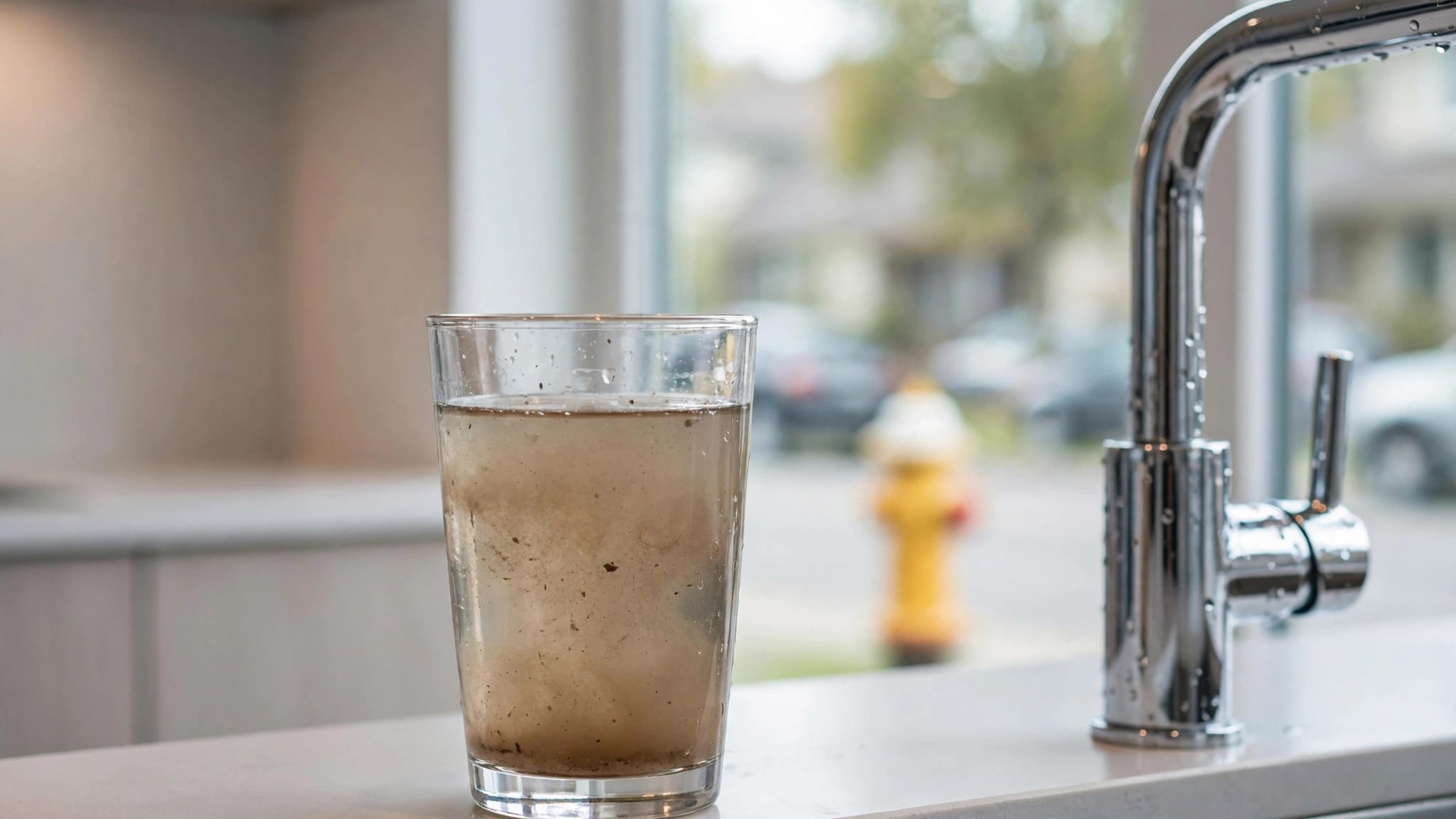
When the bypass is open, household fixtures may receive incoming water without RO treatment. That water can still be appropriate for some household uses, but its quality depends on the source and the equipment it is skipping.
Don't assume water from a bypassed system has the same taste, total dissolved solids level, or contaminant reduction as treated water. Avoid using bypass water for drinking until you know it meets your needs.
Your system may have more than one control
Some whole-house installations use dedicated bypass valves. Others may have valves near a storage tank, pressure pump, prefilters, or a separate unfiltered supply line. The setup depends on the equipment and how the installer routed the plumbing.
A whole-house system must handle far more demand than a point-of-use RO unit. Storage capacity, pump output, and flow requirements all shape the installation. Review well-pump requirements for whole-house RO when water demand or pressure is part of the problem.
Prepare Before You Move Any Valves
Before operating a whole house RO bypass, take a moment to identify the normal service position and the bypass position. Clear labels make this task simple. If the labels are missing, faded, or confusing, stop and get help rather than guessing.
Read the manual and trace the pipes
Check the manufacturer's manual for your exact model. Look for a plumbing diagram, valve chart, and instructions for taking the system out of service. Compare that information with the valve labels and pipe directions at your home.
Follow the incoming water line toward the RO equipment, then identify the line that carries water back to the home. A bypass line connects around the treatment path. Do not rely on another home's valve sequence, even if the systems look similar.
Protect yourself and the equipment
Shut off the appropriate water supply when the manual requires it. If you must disconnect a line, replace a cartridge, or open a housing, relieve pressure first through the approved valve or faucet.
Never open filter housings, fittings, tubing, or pressure vessels while they are pressurized. Water can discharge forcefully, damage nearby surfaces, and cause injury.
If you cannot confirm the valve layout, professional water conditioning services can identify the correct water path and check the system safely.
Put the RO System Into Bypass Mode
The correct sequence comes from the labels and manual for your particular system. Many systems use isolation valves to close the route through the RO equipment, then a separate valve opens the bypass route. Your system may use a different arrangement.
Change only the valves identified for bypass
First, confirm that the manual calls the current setting "service," "run," or a similar term. Then move the labeled valves to the bypass positions in the order the manufacturer lists.
Avoid turning unlabeled valves, drain controls, tank valves, or pump controls. Those parts may have separate roles, and changing them can create pressure loss or stop water production when the system returns to service.
A whole house RO bypass should route water around the treatment equipment without changing unrelated plumbing controls. Your household's main water shutoff remains a separate control.
Check the water path before using fixtures
After setting the bypass, open a cold-water faucet and watch the flow. Confirm that water reaches the house without unusual sputtering, pressure swings, or sounds near the equipment.
Inspect visible valves, fittings, and tubing for drips. If you find a leak, close the appropriate supply valve and contact a qualified technician. Do not tighten or remove a pressurized fitting.
Bypass water may not pass through the RO membrane, so it may not have the same water quality as your normal treated supply.
Return the System to Normal Service Carefully
Keep the system in bypass only as long as needed for the planned work, repair, or inspection. Once the issue is addressed, use the manual to return every identified valve to its normal service position.
Inspect the system before restarting treatment
Make sure housings, cartridges, fittings, and tubing are fully secured before restoring water to the equipment. If service involved opening a housing or replacing a part, check the area again as pressure returns.
Then look for leaks at each connection. A slow drip may not appear immediately, so inspect the system again after water has flowed through the home.
Confirm water quality before drinking
Once the RO system is back in service, confirm that treated water is reaching the intended faucets. Water should not be assumed safe for drinking simply because the valves are back in their normal positions.
A handheld TDS meter can help you compare treated-water readings with past results. Rising readings may point to a worn membrane, overdue filters, or a seal that allows water around treatment stages. Watch for whole-house RO system service warning signs if water quality or flow has changed.
Key Takeaways
- A bypass sends water around the RO treatment path, but it does not shut off household water.
- Valve layouts vary, so verify every position against your system manual and labels.
- Shut off the required supply and relieve pressure before disconnecting any component.
- Check every accessible fitting for leaks after bypassing or returning the system to service.
- Confirm treated-water quality before using it for drinking after service.
FAQ
Can I use household water while the RO system is bypassed?
Yes, if the bypass is designed to keep the home's plumbing supplied. However, that water may be untreated or less treated than normal. Use it with that difference in mind, especially for drinking, cooking, ice makers, and baby formula.
Should I bypass the system when water pressure drops?
A bypass can help identify whether the RO equipment is affecting flow, but it doesn't diagnose the cause. Clogged prefilters, pump issues, plumbing restrictions, or a water-supply problem can also reduce pressure. Keep a maintenance record, since prefilters may need replacement closer to every three months under heavy sediment loads, or closer to six months when conditions stay clean.
Keep Bypass Mode Temporary and Controlled
A whole house RO bypass is useful during service, but it changes the quality of water reaching your home. The safest approach is simple: follow the labeled valve positions, relieve pressure before opening anything, and inspect for leaks every time.
When the RO system returns to service, verify the treated-water quality before drinking. Careful valve handling protects both your equipment and your household water supply.
Latest posts
Read Our Blog
Tips, guides, industry best practices, and news.

Contact us
Get in touch
Our friendly team is ready to chat.