
Well Pump Flow Rate: Size Treatment Before You Buy
A water test can show what is in your well, but it won't tell you whether your plumbing can support the treatment system you choose. Well pump flow rate matters because filters, softeners, iron systems, and reverse osmosis equipment all need enough water moving through them to work correctly.
Many homeowners select equipment from a contaminant report alone. That approach can lead to weak showers, pressure loss, poor filter performance, or a system that cannot complete its cleaning cycle. Before you compare tanks and media, match the treatment design to your pump's available gallons per minute (GPM), pressure, and household demand.
Why well pump flow rate comes before treatment choice
Well pump flow rate is the amount of water a pump can deliver over time. The industry measures it in gallons per minute , or GPM. A pump may deliver one flow rate when the well is healthy and another when the water level drops, the pressure tank cycles, or the plumbing creates resistance.
Treatment equipment adds another demand to that system. Water must pass through the filter media or resin at a suitable rate. Some systems also need a strong flow during backwashing, which reverses water through the tank to remove trapped sediment and restore the media.
A filter can have the correct capacity for iron, manganese, sulfur, hardness, or sediment and still perform badly if the pump cannot provide enough flow. The tank may not backwash fully. Over time, trapped material can reduce flow even further.
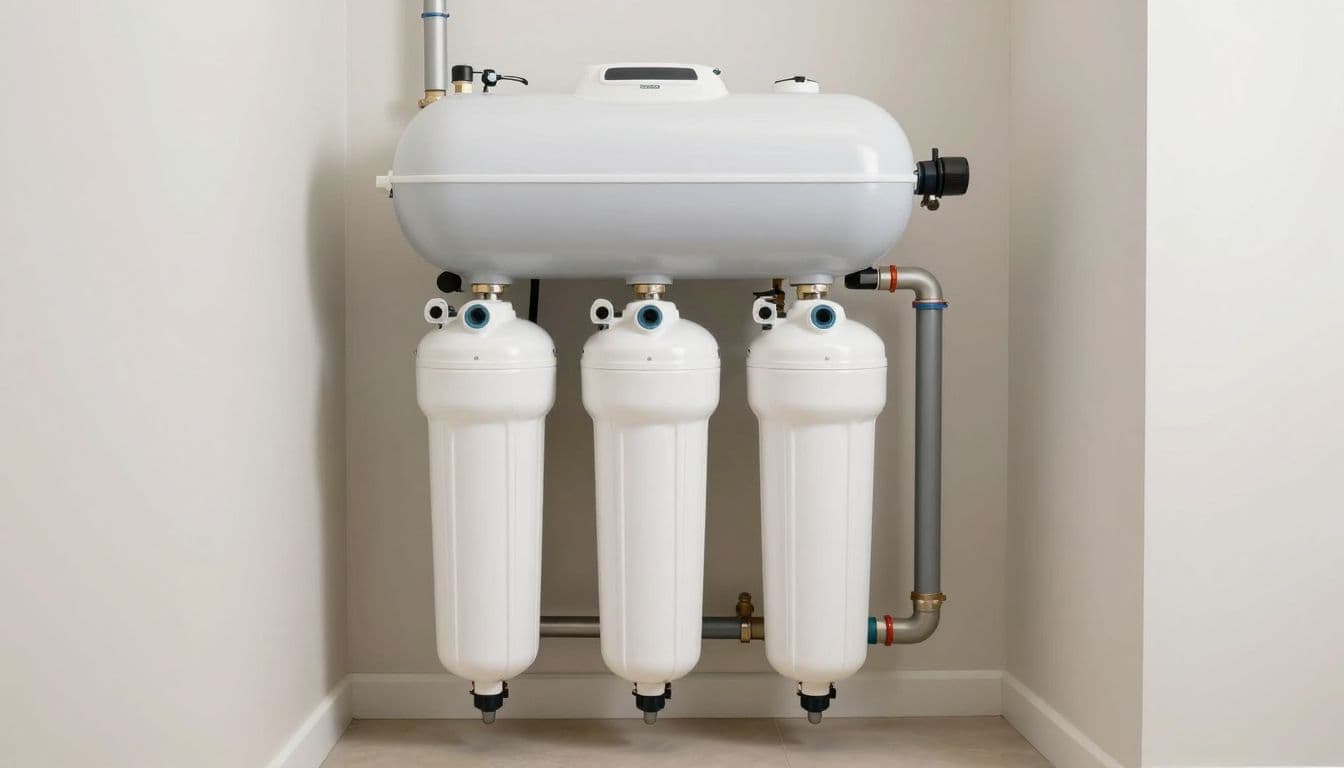
The pressure tank also affects the experience at the tap. A typical well system has a pressure switch that starts the pump at a lower setting and stops it at a higher setting. Many residential systems use a 40/60 PSI setting, although the correct settings vary by installation. Treatment equipment must work within that pressure range without creating an excessive drop.
Available flow is different from the pump's advertised horsepower. Horsepower alone doesn't reveal how much water the pump can deliver at your well depth, pipe size, pressure setting, and elevation. A reliable design uses measured performance and the well's recovery conditions.
How GPM and peak demand shape system size
Peak demand means the greatest amount of water your home may use at one time. A single bathroom faucet may need less than a shower, while a shower, toilet refill, washing machine, and irrigation zone can create a much larger demand.
For example, suppose two people shower while a toilet refills and the washing machine runs. The home may need more water than the pump can provide continuously. A pressure tank can supply water for a short period, but the pump must recover the supply as demand continues.
Treatment equipment should support the home's expected peak demand without causing a major pressure drop. A simple comparison can help:
| Household situation | Likely flow concern | Design question |
|---|---|---|
| One person using one fixture | Low short-term demand | Will the system operate efficiently at low flow? |
| Family using several fixtures | Higher peak demand | Can treatment keep up without weak pressure? |
| Home with irrigation or large fixtures | Heavy or extended demand | Should outdoor use be separated from household treatment? |
The answer depends on the equipment and the plumbing layout. A softener may have a service flow range and a separate backwash requirement. A carbon filter can restrict water as the media loads with sediment. An iron or manganese filter may need a specific backwash rate that exceeds normal household use.
Water flow and pressure are related, but they aren't identical. A pressure gauge may show acceptable pressure while the actual flow remains too low. Conversely, a pump may deliver adequate flow at the wellhead but lose performance through narrow pipes, clogged screens, old valves, or a restrictive filter.
A contaminant test tells you what the water needs. A flow test tells you what the home and treatment system can handle.
Sizing also depends on when demand occurs. If irrigation runs during the same hours as household use, the system may need a different layout or control strategy. Some homes benefit from keeping irrigation separate from treated indoor water, especially when the well has limited production.
What goes wrong when treatment is sized from test results alone
A lab report is the starting point, not the complete equipment specification. It can identify hardness, iron, manganese, nitrate, bacteria, total dissolved solids, or other concerns. However, the report usually doesn't describe pump output, pressure recovery, drain capacity, or simultaneous household demand.
A common problem appears during backwashing. The treatment tank needs a minimum flow to lift and clean its media. If the well pump supplies less than that requirement, the media can compact or remain loaded with debris. The system may still appear to operate, yet its performance declines between service visits.
Pressure loss is another warning sign. Every treatment vessel creates resistance as water moves through it. When several components sit in sequence, the combined restriction can make a shower feel weak or cause appliances to fill slowly.
Low flow can also cause treatment to miss its intended contact time. Some media need water to move through the tank within a particular range. Too much flow can reduce contact and allow contaminants through. Too little flow can create poor distribution, channeling, or incomplete cleaning.
Reverse osmosis systems present a different issue. A point-of-use RO unit usually treats water at a dedicated faucet and stores purified water in a tank. A whole-house RO system must address much larger demand and may require storage, pumping, and additional controls. Choosing whole-house equipment solely because a test shows high TDS can create a costly system that doesn't match the property's supply.
Untreated water may also bypass the equipment if the system cannot meet demand. A homeowner may open multiple fixtures and find that the treatment system cannot supply the required volume. In some installations, a bypass or unfiltered line is necessary for certain uses, but that choice should be planned rather than discovered during a pressure problem.
The same concern applies to manganese removal. The right approach can depend on pH, manganese concentration, iron, sediment, available flow, and the space needed for drainage. Review manganese well water removal options with the complete water and pump information, not with one test result in isolation.
Match the treatment method to available flow
Different treatment systems place different demands on a well. The contaminant determines the treatment goal, while flow helps determine whether that treatment can operate properly.
A water softener removes hardness minerals through ion exchange. It needs enough service flow for the home's fixtures and enough water during regeneration. The system's capacity also depends on household water use and hardness, so a larger tank isn't automatically better.
An iron or manganese filter may use catalytic media, oxidation, chemical injection, or another process. Many of these systems require regular backwashing. Before choosing one, confirm the manufacturer's required backwash flow and compare it with measured pump output at the treatment location.
A sediment filter can protect other equipment, but a filter that is too small or too fine may reduce pressure as it loads. High-sediment wells often need a staged design, such as a larger first-stage filter followed by finer treatment. The right setup depends on the sediment type and concentration.
Activated carbon can improve taste and reduce some chemicals. Its performance depends on contact time, which is the amount of time water remains in contact with the media. Excessive flow may shorten that contact time. A tank with more media may help, but only if the pump and plumbing can handle its service and cleaning requirements.
Reverse osmosis removes dissolved substances through a membrane. For many homes, point-of-use RO at the kitchen sink is more practical than treating every tap. If the goal is whole-house treatment, the design may need a storage tank, booster pump, or other equipment to meet demand.
If your report shows hardness along with high TDS or other dissolved contaminants, compare whole-house reverse osmosis and water softeners before buying either system. Each addresses a different water problem, and the flow requirements can differ considerably.
A treatment professional should also review drain access. Backwashing sends water to a drain, and the drain must accept that discharge without flooding or slowing the cycle. In Southwest Florida homes, the available installation space, electrical service, plumbing arrangement, and well equipment can all affect the final design.
A practical way to check well pump capacity
Start with current measurements instead of relying on an old pump label. A well contractor can measure pump performance, but homeowners can gather useful information before an appointment.
First, record the pressure at the gauge while no fixtures are running. Then open a hose bib near the pressure tank and measure how much water fills a container over a timed period. The basic calculation is:
GPM = gallons collected divided by minutes
A five-gallon bucket that fills in one minute provides a measured flow of about 5 GPM at that test point. This is only a field indication. It doesn't replace a full pump test because pressure may change while the pump runs, and the result can vary with the well's water level.
Next, list the fixtures that may operate together. Include showers, tubs, toilets, washing machines, dishwashers, hose bibs, and irrigation. Note whether the home has large soaking tubs, multiple bathrooms, or high-flow fixtures.
Then collect the treatment requirements. Ask for:
- Service flow required for normal operation.
- Minimum backwash flow and total backwash volume.
- Expected pressure loss at the household's peak demand.
- Drain size and discharge requirements.
- Electrical or control requirements.
- Recommended maintenance and media replacement intervals.
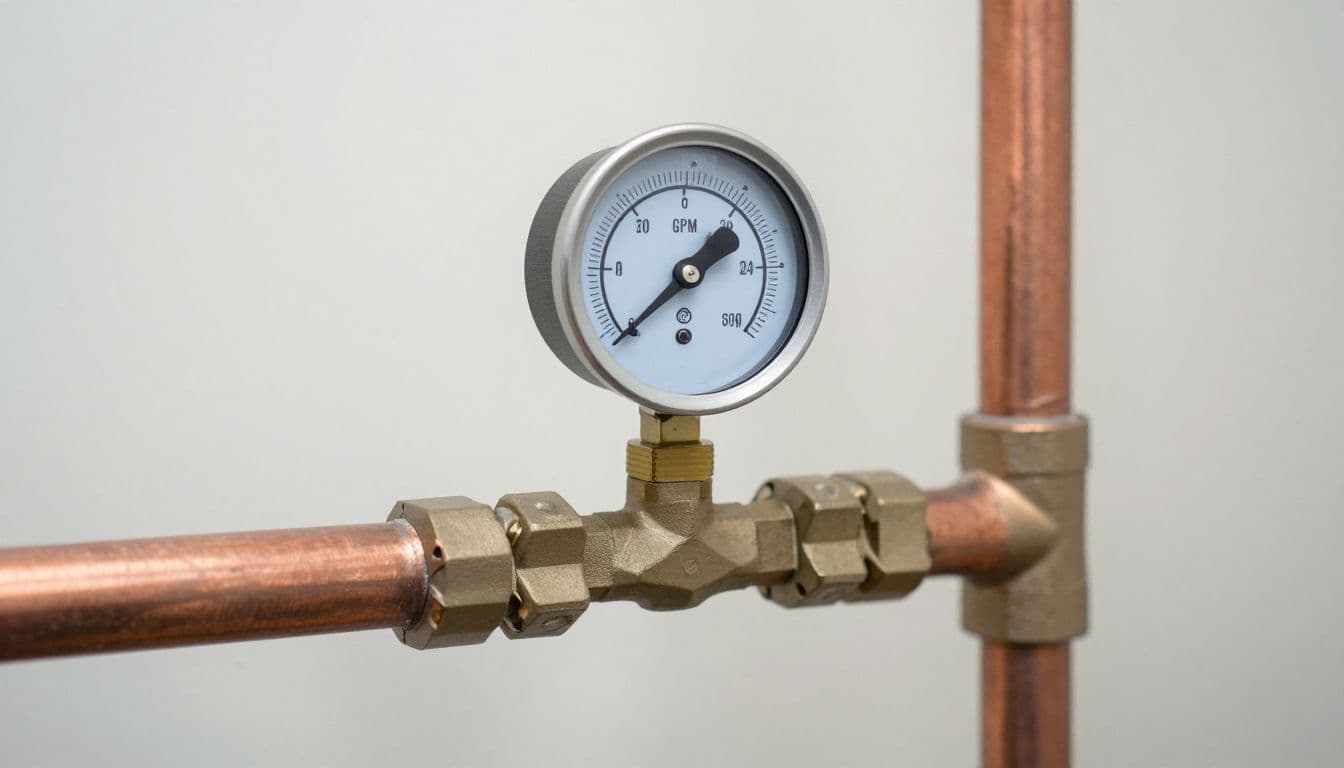
Compare those requirements with the pump's performance at the pressure where treatment will operate. The available flow at the tank may not equal the flow at a distant treatment location, especially if the home has long pipe runs, elevation changes, or restrictions.
Finally, have the complete water test and pump information reviewed together. A suitable system may use one treatment stage, several stages, a smaller point-of-use unit, or a storage and booster arrangement. Equipment sizing is a site-specific decision, not a universal formula based on tank size or contaminant concentration.
Conclusion
A lab report tells you which water problems need attention. Well pump flow rate tells you whether the chosen equipment can treat, backwash, and supply water without damaging pressure or performance.
Measure GPM, consider peak demand, check pressure loss, and confirm each system's service and backwash requirements before installation. When the pump and treatment plan work together, your system has a much better chance of delivering clean water without turning every shower or regeneration cycle into a pressure problem.
Latest posts
Read Our Blog
Tips, guides, industry best practices, and news.



Contact us
Get in touch
Our friendly team is ready to chat.