
Reverse Osmosis vs Nanofiltration for Florida Homes
Florida water can look clear in a glass and still contain dissolved minerals, disinfectants, or other substances you don't want in drinking water. When comparing reverse osmosis vs nanofiltration , the right choice depends on what your water test finds and how much water you want to treat.
Reverse osmosis usually provides broader dissolved-contaminant reduction. Nanofiltration can reduce hardness and selected dissolved compounds while allowing more minerals to remain. Before choosing a membrane, look at your water source, household demand, pretreatment needs, and installation space.
Key Takeaways
- Reverse osmosis removes more dissolved minerals and often suits drinking water purification.
- Nanofiltration can target hardness and selected dissolved contaminants with lower pressure in some applications.
- Neither membrane is a replacement for sediment filtration or proper pretreatment.
- Florida homes with well water may need treatment for hardness, iron, sediment, sulfur, or changing mineral levels.
- A professional water test should guide the system design.
Reverse osmosis vs nanofiltration: What each system removes
Both systems use pressure to move water through a semi-permeable membrane. The membrane allows some water molecules through while holding back many dissolved substances. Their performance differs because the membranes have different separation characteristics.
Reverse osmosis, often called RO, has a tighter membrane. It reduces total dissolved solids, including many dissolved salts and minerals. Depending on the system and water chemistry, RO can also reduce several other contaminants. The exact results depend on membrane quality, pressure, temperature, maintenance, and the substances in the source water.
Nanofiltration, or NF, uses a membrane with slightly larger openings. It often reduces hardness minerals such as calcium and magnesium, along with some color, organic compounds, and other larger dissolved substances. However, it generally allows more smaller dissolved ions to pass through than RO.
That difference affects taste and water chemistry. RO water has fewer dissolved minerals, while NF water may retain more of the mineral content found in the original supply. Some homeowners prefer the taste of water with a small amount of mineral content, while others want stronger mineral reduction for drinking and cooking.
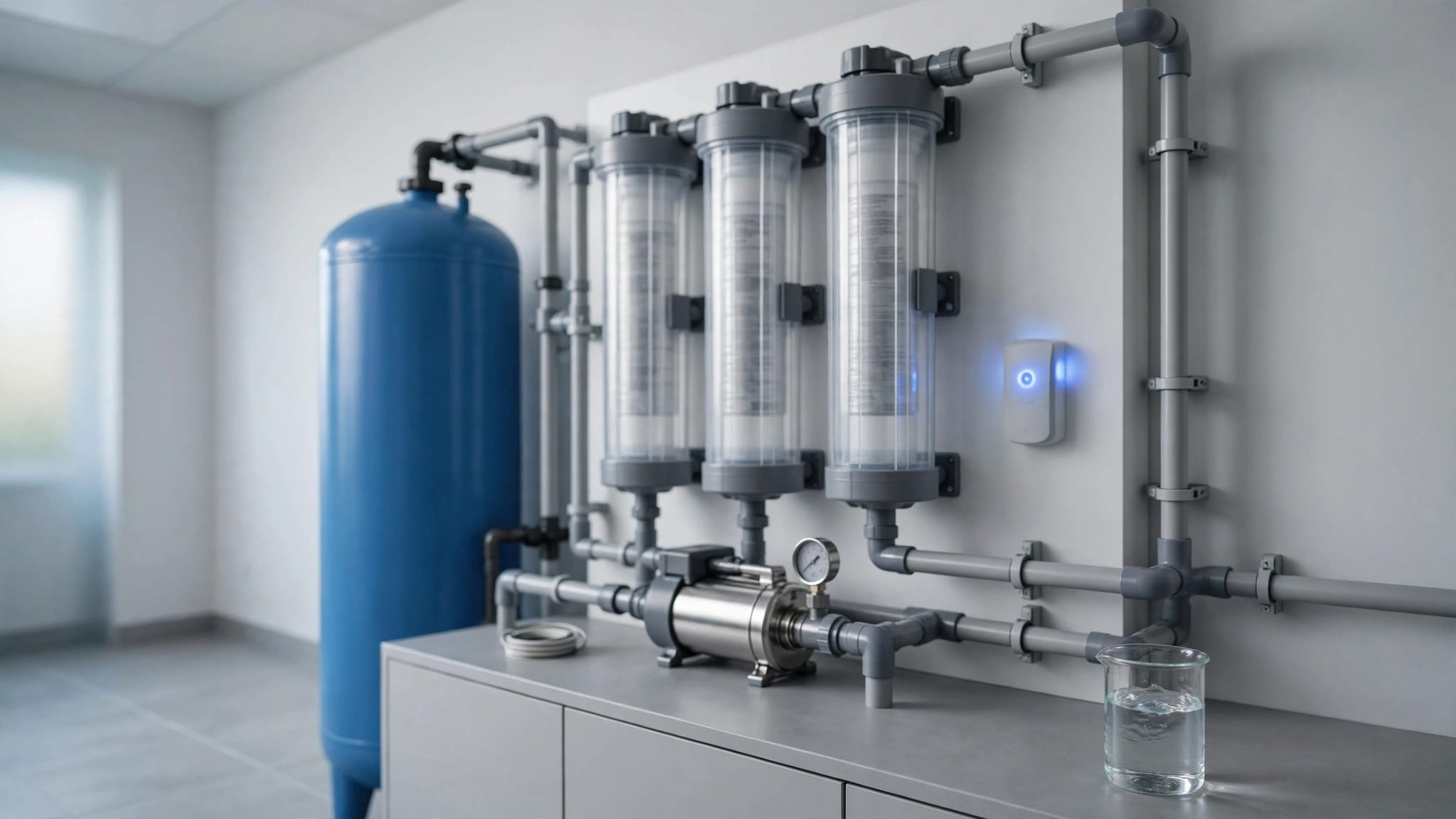
Neither process is a basic particle filter. Sand, silt, rust flakes, and other suspended particles need a sediment filter before the membrane. Carbon filtration may also be needed to reduce chlorine or chloramine, depending on the water source and membrane material.
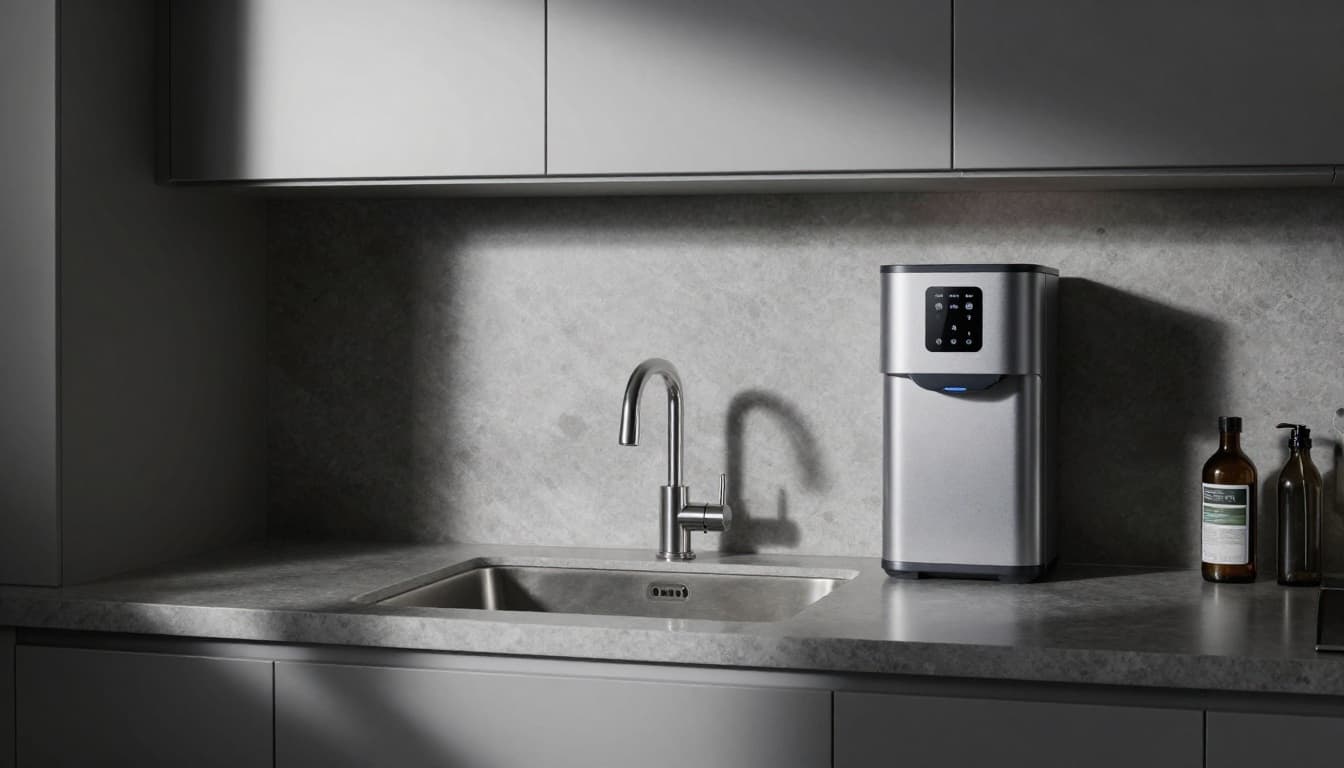
A membrane system works best when the water reaching it is clean enough to protect the membrane.
A low TDS reading alone doesn't prove that a home has the right treatment system. Hardness, disinfectants, sediment, and individual contaminants can affect membrane life and water quality.
Why Florida water conditions affect the decision
Florida homeowners don't all receive the same water. A home connected to a municipal utility has a different starting point than a private-well property in Naples, Fort Myers, Cape Coral, or another Southwest Florida community.
Public water systems disinfect treated water before it reaches the home. The disinfectant may be chlorine or chloramine, depending on the utility. Carbon pretreatment can help protect some RO and NF membranes from disinfectant damage, but the required design depends on the membrane and the measured water chemistry.
Private wells can bring a wider range of challenges. Groundwater may contain high hardness, iron, manganese, sulfur compounds, sediment, or elevated total dissolved solids. Coastal properties may also have water chemistry affected by salt influence. These conditions can change the membrane selection and the equipment installed before it.
Hardness deserves close attention. Calcium and magnesium can form scale on membrane surfaces, reducing flow and shortening useful life. A water softener or antiscalant treatment may help, but the correct option depends on the hardness level, system size, and whether you choose point-of-use or whole-house treatment.
Sediment creates a different problem. It can clog cartridges, restrict flow, and damage sensitive equipment. A sediment filter handles suspended particles, but it doesn't remove dissolved minerals. That distinction prevents a common mistake: selecting a cartridge filter when the actual concern is high TDS or hard water.
Water conditioning services can combine filtration, softening, and membrane treatment when one device can't address the full water problem. The treatment train should match the raw water, not a generic product description.
Comparing cost, capacity, and everyday performance
The better system isn't always the one with the strongest membrane. A Florida home needs a design that produces enough treated water, fits the available space, and can handle local water conditions.
| Consideration | Reverse osmosis | Nanofiltration |
|---|---|---|
| Main purpose | Broad reduction of dissolved minerals and many contaminants | Selective reduction of hardness and larger dissolved compounds |
| Mineral removal | Higher overall reduction | Moderate or selective reduction |
| Sediment treatment | Requires prefiltration | Requires prefiltration |
| Disinfectant protection | May need carbon pretreatment | May need carbon pretreatment |
| Operating pressure | Usually higher | Often lower, depending on design |
| Drain water | Produces reject water | May produce less reject water, depending on recovery |
| Common home use | Drinking water, cooking, ice, and sometimes whole-house treatment | Specialized or whole-house applications based on water analysis |
For many homes, an under-sink RO system is practical because it treats drinking and cooking water without processing every gallon used for showers, laundry, or irrigation. It usually includes prefilters, a membrane, a storage tank, a dedicated faucet, and post-treatment.
Whole-house RO treats water at a much larger scale. It may require larger pretreatment equipment, storage, a repressurization pump, drain planning, and more maintenance. The installation cost also depends on plumbing changes, electrical access, available equipment space, and the amount of water the home uses.
NF can make sense when the goal is selective reduction rather than near-total mineral removal. However, a lower-pressure membrane doesn't automatically mean lower total ownership cost. Replacement filters, membrane life, pretreatment, water recovery, and service access all affect the long-term expense.
Homeowners comparing a membrane system with a softener should also keep the goals separate. A softener focuses on hardness and scale. RO focuses on dissolved mineral reduction and broader purification. Comparing whole-house reverse osmosis and water softeners can help clarify which problem each system addresses.
How to choose the right system for your Florida home
Start with a professional water test before purchasing equipment. Test the untreated source water, not only water after a softener or existing filter. A treatment professional can then match the system to the actual load entering the home.
A useful test may include hardness, TDS or conductivity, pH, turbidity, iron, manganese, chloride, sulfate, and other items based on the water source. Private-well owners may need additional testing for bacteria, nitrate, sulfur-related concerns, or other local conditions. Municipal customers should also account for the utility's disinfectant and recent water-quality information.
Next, define the purpose of treatment. If you want better-tasting water at the kitchen sink, point-of-use RO may provide the needed capacity without treating the entire home. If hard water is causing scale throughout the house, a softener may address that concern more directly.
NF may fit a home that needs hardness reduction and selective removal while retaining more minerals. RO is usually the stronger option when the test shows high TDS or when the household wants a higher level of dissolved-solids reduction for drinking water.
Water use matters as well. A large family, frequent guests, an ice maker, or a high-demand kitchen may need a larger storage tank or higher-production membrane. Whole-house systems require an even closer review of peak flow, storage, pressure, wastewater handling, and available installation space.
The size of the membrane is only one part of the design. Whole-house RO system sizing should account for water chemistry, daily demand, pretreatment, storage, and pressure at the fixtures.
Pretreatment and maintenance protect the membrane
Pretreatment is often the difference between a system that performs well and one that loses flow early. Florida water with high hardness may need softening or scale control. Sediment-heavy water needs a properly sized sediment stage. Chlorine or chloramine may require carbon treatment compatible with the selected membrane.
Iron and manganese can also foul treatment equipment. If well water contains these metals, the installer may recommend oxidation, filtration, or another treatment stage before the membrane. A single cartridge rarely solves every issue.
Maintenance usually includes replacing prefilters on schedule, checking pressure and flow, inspecting fittings, and replacing the membrane when performance declines. A system that produces less water, develops unusual taste, or shows a rising TDS level may need service.
RO systems also send reject water to a drain. The amount varies with the membrane, pressure, water quality, and recovery design. A professional installer can review drain connections and discuss whether the system can recover or reuse reject water safely for an appropriate non-drinking purpose.
NF systems also need filter changes and membrane care. Their lower operating pressure or reduced reject-water volume may help in some designs, but those benefits depend on the specific equipment and feed water.
Choose treatment based on the water, not the label
The central difference in reverse osmosis vs nanofiltration is selectivity. RO reduces more dissolved material, while NF can provide targeted reduction with more minerals left in the treated water.
For many Florida kitchens, point-of-use RO is a practical choice for drinking, cooking, and ice. NF may suit a home with a narrower treatment goal, but its performance must match the contaminants found in the water. Neither option should be selected before testing for hardness, sediment, disinfectants, and other relevant conditions.
A proper water analysis, complete pretreatment plan, and correctly sized system will matter more than choosing a membrane by name alone. When the opening glass of water looks clear but still tastes wrong, the answer starts with finding out what is actually dissolved in it.
Conclusion
Florida homeowners comparing reverse osmosis vs nanofiltration should begin with water chemistry and household needs. RO offers stronger dissolved-mineral reduction, while NF provides more selective treatment in systems designed for that purpose.
Pretreatment protects either membrane from hardness, sediment, and disinfectants. A professional test helps determine whether you need RO, NF, a softener, sediment filtration, carbon treatment, or a combination that fits your home.
Latest posts
Read Our Blog
Tips, guides, industry best practices, and news.


Contact us
Get in touch
Our friendly team is ready to chat.