
Why Sand in Well Water Keeps Showing Up
Sand in well water usually means the system is pulling more than water. A few grains may appear after service or a heavy storm, but steady grit points to a problem below the surface. The source can be the well itself, the pump, or even debris inside the plumbing. Once you know the pattern, the fix gets much easier to narrow down.
A glass of water can tell you a lot, but only if you know what to look for. Sand settles fast, while finer silt hangs in the water longer. The difference matters because the cause, and the solution, are often different.
Where the Sand and Grit Are Coming From
A well pulls water from an underground aquifer. That water can carry tiny particles naturally, but a healthy system keeps most of them out of your home. When sand starts showing up often, one of a few things is usually happening.
The well screen may be worn. That screen is the slotted part that lets water in while keeping larger particles out. If it cracks or opens up, fine sand can pass right through.
A low-yield well can also cause trouble. It gives water slowly, so the pump may draw faster than the well refills. When that happens, the intake can stir up sediment near the bottom.
| Cause | What you may notice | Why it happens |
|---|---|---|
| Low-yield well | Sand after long pump runs, pressure drops | The pump pulls water faster than the well refills |
| Pump intake too low | Grit when the water level falls | The intake sits close to settled sediment |
| Failing well screen | Fine sand that gets worse over time | The screen wears, cracks, or opens up |
| Sediment intrusion | Sudden dirt after storms | Damaged casing or cap lets material enter |
| Aquifer changes | Sand during dry spells or after heavy rain | Underground flow shifts and stirs loose particles |
| Recent pump service | Sand after a repair or new pump | Disturbed buildup gets pulled into the line |
| Pressure tank or plumbing debris | Rust flakes or grit from one area | Old scale or corrosion breaks loose |
The pump placement matters too. If the intake sits too low, it can draw from the dirtiest part of the well. Seasonal aquifer changes can make that worse, especially after drought, heavy rain, or nearby pumping. A system can look fine one month and send grit the next.
Signs the Source Is the Well
The clues usually show up in more than one place. You might see sand in a toilet tank, a little grit in the bottom of a glass, or a crunchy ring in a sink after the water sits. Filters may clog faster than usual, and faucet aerators can trap the particles.
If the water looks cloudy more than gritty, troubleshooting cloudy well water can help separate sediment from air or tank problems.
Watch for these patterns:
- The water clears, then leaves sand at the bottom of the glass.
- Grit appears after the pump kicks on.
- The problem gets worse after rain, drought, or recent service.
- More than one faucet shows the same issue.
If only one sink or shower has debris, the plumbing may be the source. Old pipe scale, corrosion, or a failing fixture part can shed material that looks a lot like well sediment. When the problem shows up throughout the house, the well or main supply line is the stronger suspect.
A short-term burst of grit after pump work can happen. Persistent sediment is different. That usually means something deeper is wearing out or shifting.
How Sand Harms Pumps and Fixtures
Sand is abrasive. It acts like fine sandpaper inside the system, and the damage adds up over time. Pump parts wear faster, seals break down sooner, and valves can start to stick.
Your water heater takes a hit too. Sediment can settle in the tank, make heating less efficient, and shorten the life of the unit. Dishwashers, washing machines, and ice makers are also at risk because small particles can clog tight internal parts.
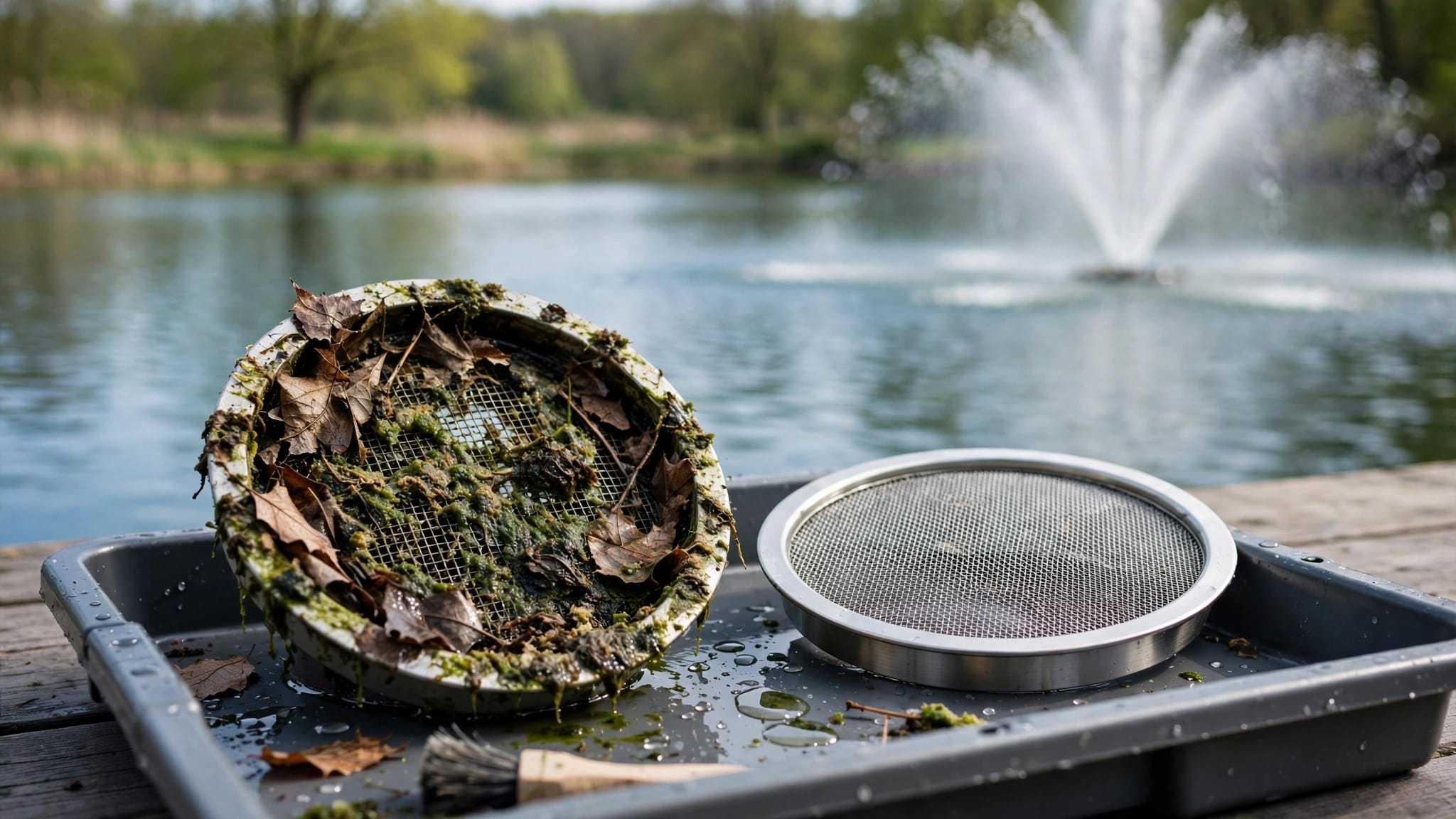
Filters fill up fast when sand is present. Once a cartridge loads with debris, water flow drops and pressure falls across the house. Faucet aerators and shower heads clog next, so you may start cleaning them more often than before.
The problem is more than annoying. It can raise repair costs and shorten the life of equipment you depend on every day. If the grit keeps coming back, the issue is not being solved at the faucet.
What to Check Before You Call for Help
A few basic checks can help you describe the problem clearly. Start with a clean glass, then watch what happens after the water sits. If the sand settles fast, you are probably dealing with sediment instead of discoloration or air.
- Fill a clear glass and let it sit for 15 to 30 minutes.
- Check whether the grit shows up after the pump starts or after a long shower.
- Look at filter cartridges, faucet screens, and shower heads for buildup.
- Note any recent pump installation, repair work, storms, dry weather, or pressure changes.
- Compare one fixture against the whole house to see whether the debris is local or system-wide.
If the problem started right after a pump replacement or service visit, that is an important clue. The work may have disturbed older buildup inside the well or line. If the issue comes and goes with water pressure, the pressure tank may be part of the story too. That tank helps keep pressure steady so the pump does not cycle every time you open a tap.
When the sediment keeps returning after cleanup, the next step is not another round of filter changes. It is a deeper inspection.
Fixes That Work Longer Term
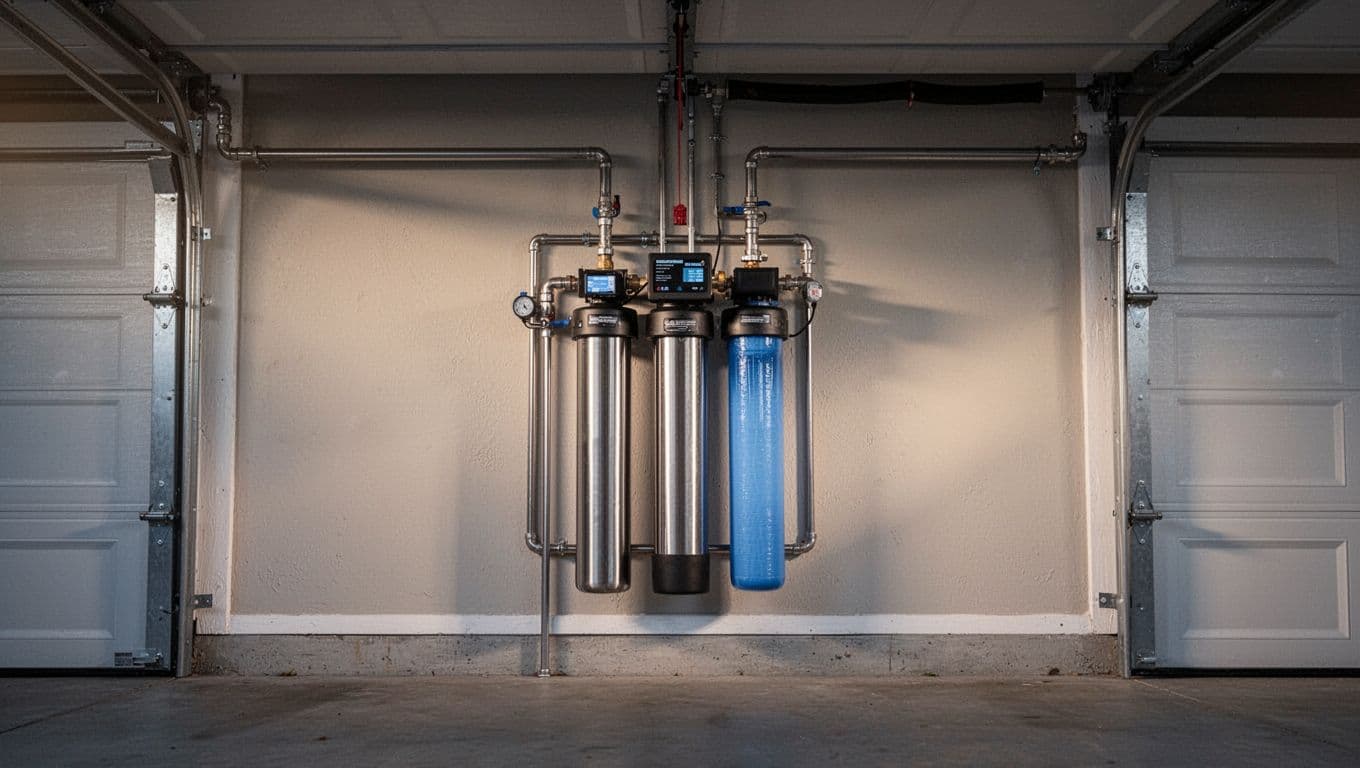
A sediment filter is the first line of defense. It catches grit before it reaches the rest of the house, and it can protect pumps, fixtures, and appliances. The right setup depends on the size of the particles and how much sediment the well sends up.
A sediment filter helps with what you see. A well inspection helps find why it keeps happening.
Some homes need more than one fix. If sand shows up with orange staining or rusty residue, why well water leaves orange stains on fixtures can help you sort out iron along with sediment.
Long-term solutions often include:
- Inspecting the well screen for wear or damage.
- Adjusting the pump depth if the intake sits too low.
- Repairing cracks in the casing or cap that let sediment enter.
- Flushing plumbing after service if debris has moved through the lines.
- Adding a whole-house sediment filter to trap grit before it reaches appliances.
A simple filter helps a lot when the particles are loose and the well is otherwise sound. Still, severe or persistent sediment can point to a damaged screen, a failing casing, or a well that needs professional attention. In those cases, a qualified well professional should look at the system before more parts wear out.
Conclusion
A few grains of sand in a glass can be easy to ignore. Sand that keeps showing up in faucets, filters, and appliances is harder to brush off. The pattern usually points to the well, the pump, or the plumbing that connects them.
When the grit comes back after basic cleanup, the source needs a closer look. Persistent sediment is often the sign of a deeper well issue, and that is where a qualified professional can make the biggest difference.
Latest posts
Read Our Blog
Tips, guides, industry best practices, and news.


Contact us
Get in touch
Our friendly team is ready to chat.