Can a Floating Fountain Operate Near a Floating Wetland?
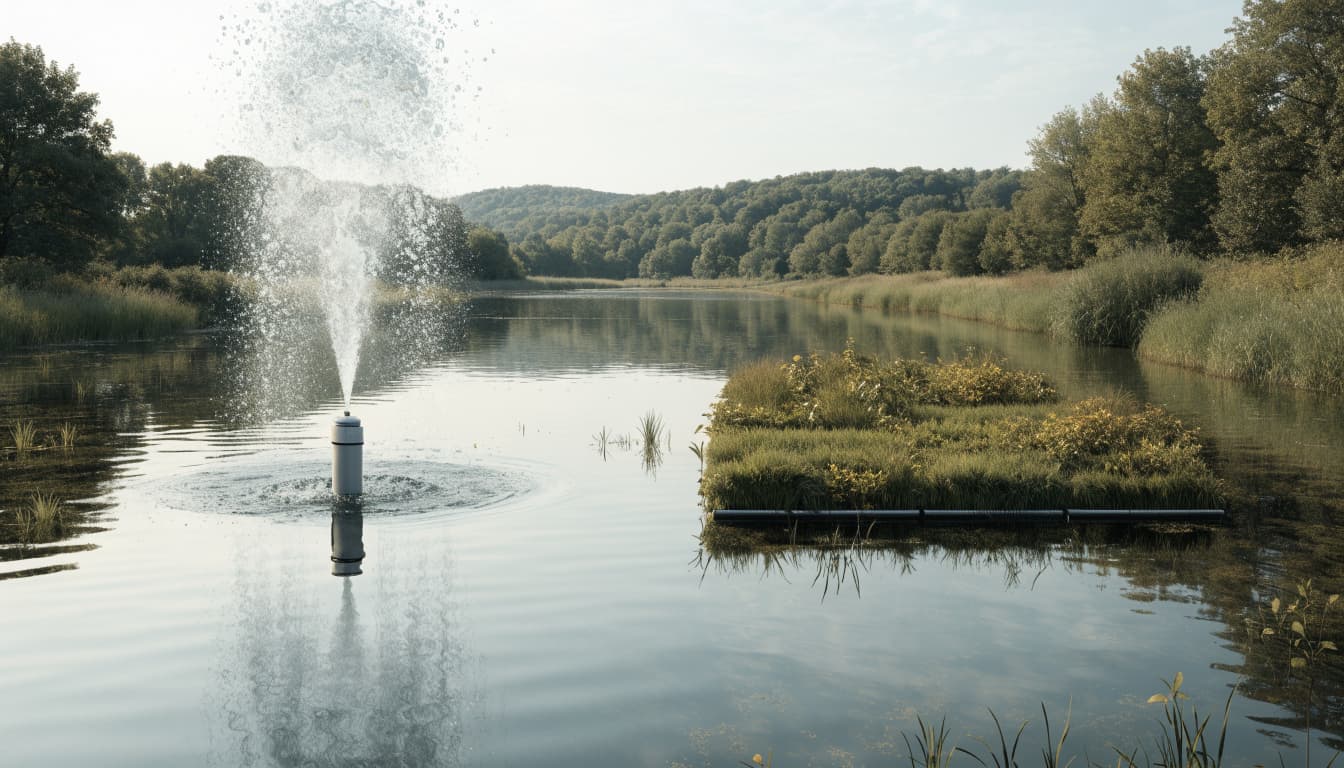
When planning a floating fountain near a pond floating wetland, give each feature its own space in the pond layout. Spray drift, water depth, mooring lines, and service access all matter when choosing a location.
For a Florida community pond, the view from shore is only part of the decision. Start with the water and shoreline conditions, then choose a fountain location that fits the rest of the site.
Plan the Fountain and Wetland Layout Together
A useful pond plan shows more than the proposed fountain location. Mark the floating wetland, shoreline plantings, inlets, outlets, docks, and areas used by residents. Include the route a technician would take to reach the fountain.
Place the fountain in open water rather than among dense vegetation. Leave room around both floating features so their mooring lines and service areas don't overlap.
Account for Spray and Wind
The fountain's spray pattern determines where water lands on a calm day. Wind can carry that spray farther, particularly across an exposed pond. Choose a position and nozzle pattern that keep the display within the lake and away from the floating wetland area.
Also consider nearby sidewalks, homes, and seating areas. Persistent spray can wet pavement or reach windows even when the fountain looks well placed from a distance.
Allow for Movement
Floating equipment can shift as wind pushes across the pond and water levels change. Plan the fountain and wetland positions with that movement in mind, rather than judging the gap on installation day alone.
Our Florida lake fountain placement guide covers other shoreline concerns, including shallow intakes and storm exposure.
Understand What Fountain Circulation Can Do
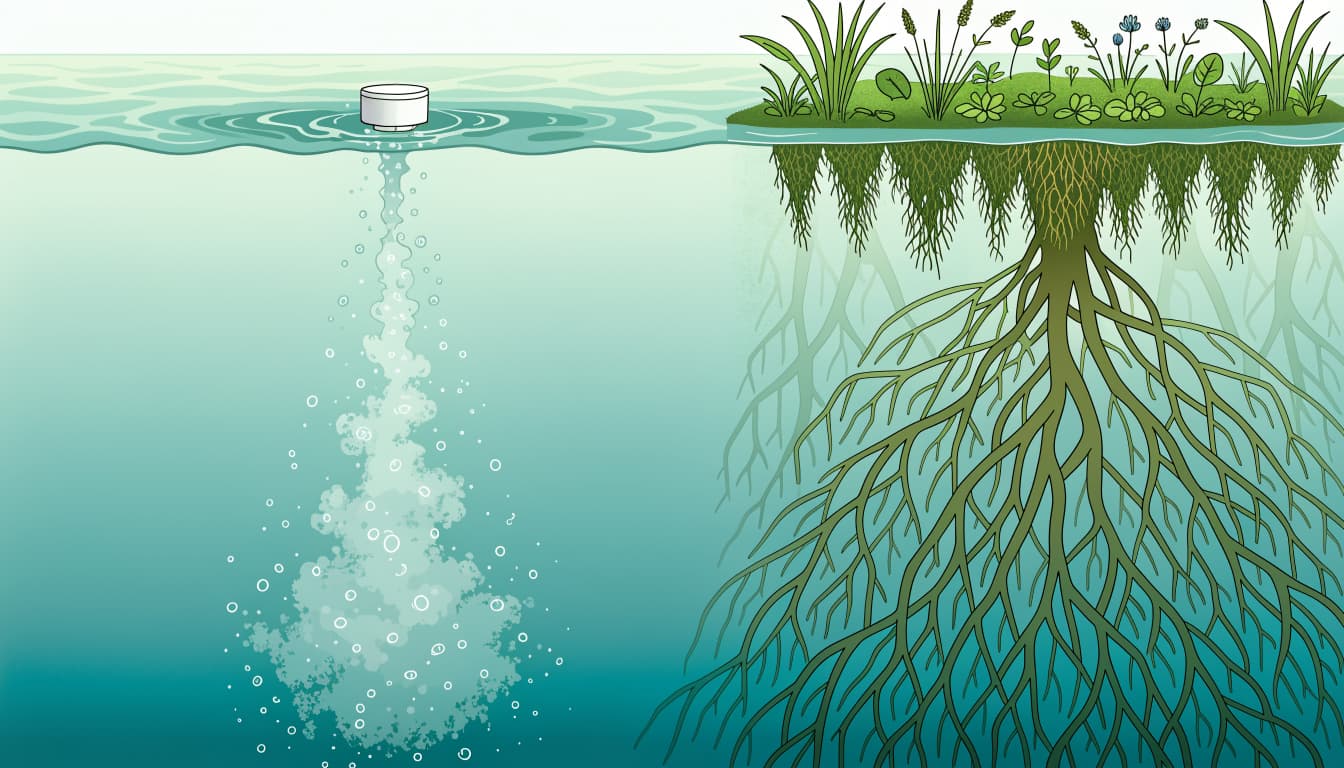
A fountain pump draws pond water through an intake and sprays it into the air. As the droplets fall, they create surface movement and help add oxygen near the surface. Pump capacity, spray pattern, and water depth all affect the result.
That circulation is useful near the operating unit, but a single fountain won't necessarily move water through every cove or reach the bottom of a deep pond. Warm water also holds less dissolved oxygen than cooler water, which matters during Florida's hot months.
If deeper circulation is a goal, comparing fountains and bottom diffusers can help a community decide what equipment fits its pond. Some properties use both for different purposes.
A visible spray also doesn't remove excess nutrients. Runoff management, water testing, and routine pond care remain part of the plan.
Choose a Site With Adequate Water Depth
A fountain needs an operating location that works during dry weather as well as after heavy rain. A shallow shelf can look suitable when the pond is full, then leave much less water beneath the intake during a dry spell.
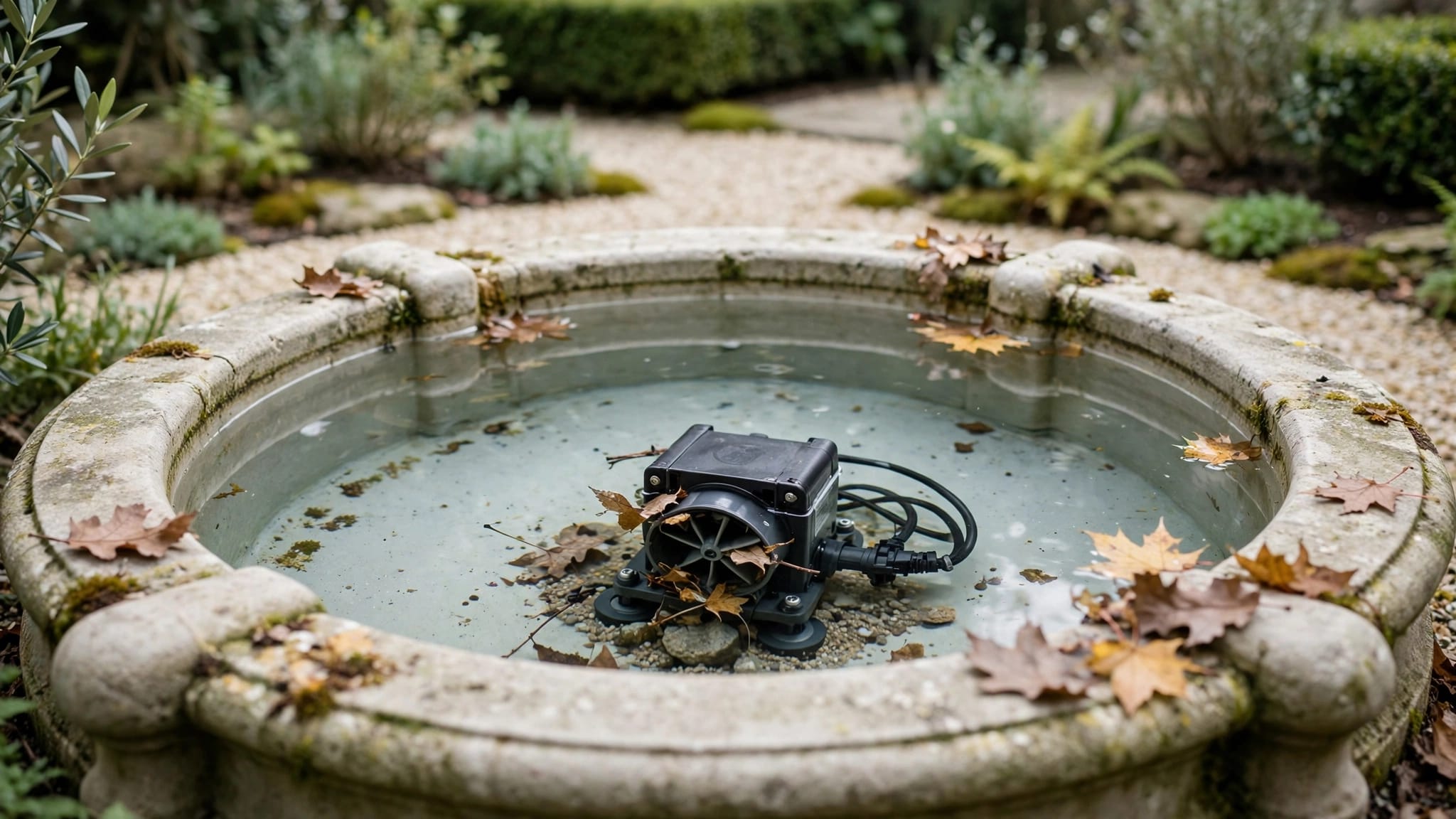
Look at the pond's bottom conditions along with its depth. Soft sediment, fallen leaves, and submerged vegetation can collect near an intake. Positioning the unit away from those areas helps keep the pump accessible and reduces the chance of drawing in debris.
For community ponds, the fountain's location should also leave inlets and outlet structures clear. Those features have a drainage function that takes priority over the view of a spray pattern.
Depth, pond shape, and sediment all matter when sizing a fountain for an HOA retention pond. More horsepower alone won't correct every circulation problem.
Plan Mooring, Power, and Service Access
Keep Equipment in Its Intended Area
Fountain mooring should account for wind, waves, and changing water levels. The layout also needs room for the fountain to move without drifting toward the bank, the floating wetland, or other pond features.
Keep lines away from areas used for boating, fishing, and routine pond maintenance. Avoid relying on a fence, tree, or lightweight landscape feature as an anchor.
Make Maintenance Accessible
A good location lets a technician reach the controls and retrieve the fountain for service. If access requires a boat, include that in the property's maintenance plan rather than treating it as an occasional inconvenience.
Electrical equipment near water calls for professional installation and service. An accessible disconnect gives a technician a practical way to isolate power before working on the fountain.
Shoreline work, anchors, and cable routes may also be subject to community rules or environmental requirements. Include those parts of the project in the installation plan.
Maintain the Fountain and Pond Features
Once the fountain is operating, watch for changes in its spray pattern or position. An uneven display can point to debris or buildup, while a shifted float may indicate a problem with the mooring.
Keep leaves and other floating material away from the intake area as part of routine pond care. Our lake fountain maintenance checklist offers more guidance for Florida property owners.
Communities should also have a storm procedure before hurricane season. After severe weather, inspect the visible float, lines, cable, and surrounding area before returning the unit to service.
Make Room for a Workable Pond Plan
A fountain near a floating wetland calls for a layout based on the pond itself. Open water, seasonal depth, wind exposure, and access all influence where the fountain belongs.
At Trademark Water Systems, we install, repair, and maintain lake fountains for properties in Southwest Florida. A site assessment can help establish a practical location for the fountain and a plan for ongoing service.
Latest posts
Read Our Blog
Tips, guides, industry best practices, and news.


Contact us
Get in touch
Our friendly team is ready to chat.