
Compare a Fountain Installation Bid: 8 Scope Details
A fountain installation bid is only useful when you can tell what the price covers. Two totals may look comparable while one excludes electrical work, anchor installation, or removal of old equipment.
Compare the written scope line by line, including the expected fountain performance and what happens after installation. Clear inclusions and exclusions make change orders less likely and help your community choose work that fits its lake.
Start with the same scope in every bid
Ask each bidder to describe the same eight areas. The table gives you a quick way to compare proposals before weighing their totals.
| Scope detail | What the proposal should describe |
|---|---|
| Equipment | Fountain, pump, motor, controls, and included accessories |
| Performance | Intended spray pattern, height, and purpose |
| Site conditions | Proposed position, depth, and relevant lake features |
| Access and site work | Equipment access, removal, excavation, and restoration |
| Float, anchors, and cable | Included hardware, placement, and cable route |
| Electrical work | Circuit, panel, wiring, controls, and work responsibility |
| Startup | Testing, operating checks, and handover |
| Follow-up | Warranty coverage, service, and maintenance responsibilities |
A proposal doesn't need identical wording to another, but it should answer the same questions. If a line is missing, mark it as not specified , rather than assuming it is included.

1. Compare equipment and expected performance
Identify the equipment included
Look for the fountain model or a clear description of its components. The bid should name the pump and motor, float or mounting assembly, control panel, and accessories such as lighting if they are part of the proposal.
Also compare what each bidder plans to reuse. One proposal may include a new pump while retaining existing controls, cable, or anchors. Another may replace more of the system. Those are different scopes, even if both refer to a "new fountain."
If the proposal is for a repair or partial replacement, it should distinguish new parts from existing components that remain in service. Comparing fountain repair and replacement proposals can help frame the difference between work on a component and replacement of a larger system.
Put the goal into measurable terms
A fountain may be selected for appearance, water movement, aeration, or a mix of purposes. The proposal should describe the intended result in a way that can be compared, such as the planned spray pattern or approximate height, rather than relying only on a model name.
Lake size alone doesn't settle fountain sizing. Depth, pond shape, sediment, and the community's goals can affect equipment selection. If the display is near homes, note whether spray noise matters; spray height, a clogged nozzle, wind, or a pump working harder than expected can affect what residents hear.
2. Compare the site plan and access work
Match the proposed location to site conditions
The bid should identify where the fountain will sit and what site information informed that choice. Depth observations, shoreline conditions, nearby features, anchor locations, cable path, and service access can all affect the work.
A site visit may document these details with measurements, photographs, or notes. Compare each bidder's assumptions, especially if they propose different positions. A change in location can alter cable length, installation access, anchoring, and the fountain's relationship to nearby homes or common areas.
Use a lake fountain site survey checklist to understand the kinds of observations that can support a written proposal.
Separate installation from access and restoration
"Installation included" can leave important tasks unclear. Compare whether the price covers equipment delivery, access to the water, retrieval or removal of an existing fountain, and any excavation or shoreline work.
Then look for the finish work. If installation requires trenching or disturbing the bank, the proposal should say whether backfilling and surface restoration are included. Otherwise, one bidder may price a completed site while another leaves cleanup or restoration to the property owner.
Vague language such as "site work as needed" makes bids difficult to compare. It can also create a change order if the actual access route or removal needs differ from the bidder's assumptions.
3. Compare the float, anchors, and cable
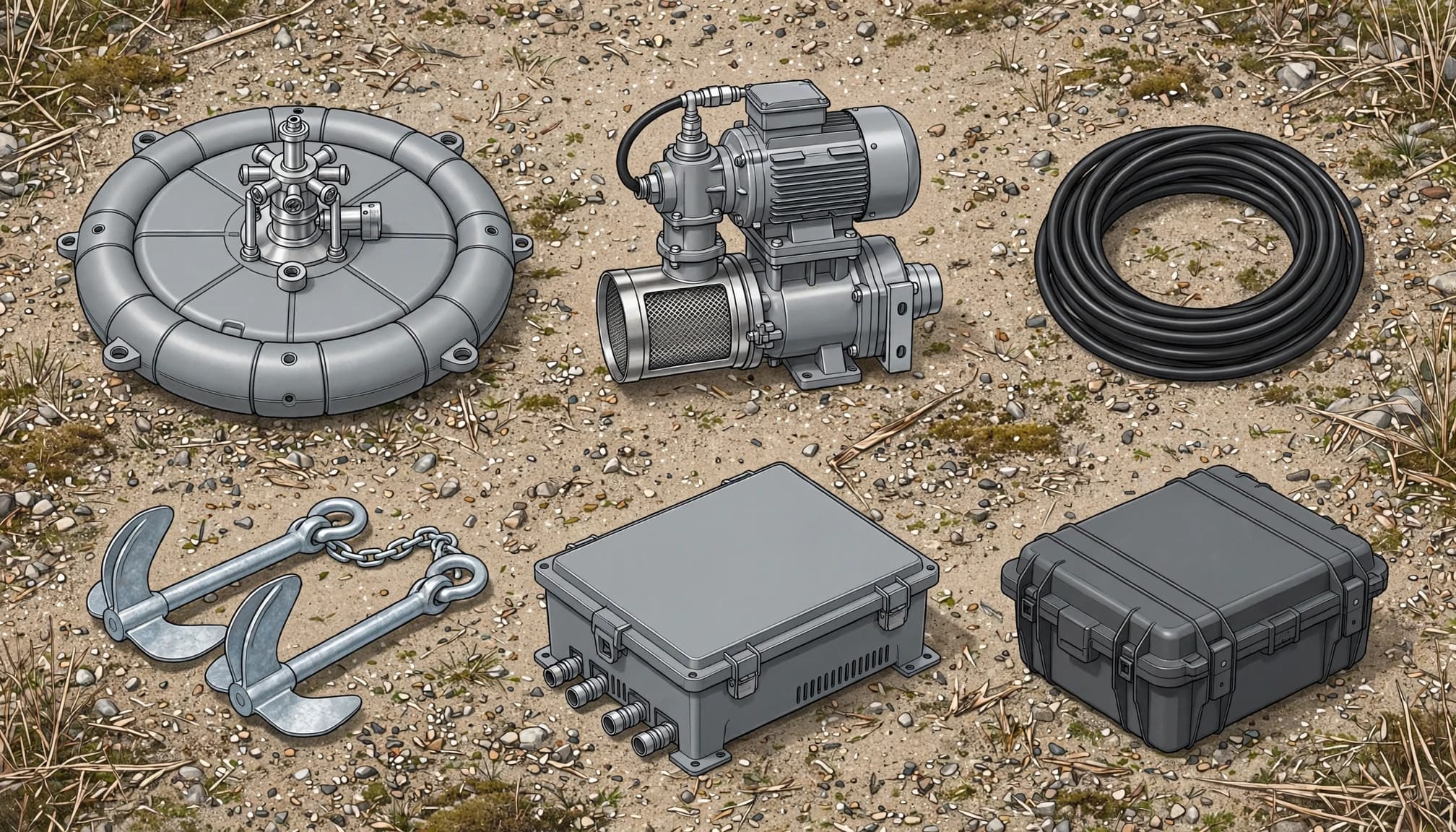
A floating fountain depends on more than the visible spray. Compare the proposed float or support assembly, anchor hardware, and cable as distinct parts of the scope.
The bid should describe whether existing anchors will remain, be repositioned, or be replaced. It should also state who sets them and whether the price includes placement at the proposed location. If one proposal assumes existing anchors are usable and another includes new ones, the totals do not cover equivalent work.
Cable details matter for both installation and future service. Compare the planned route, included cable length, and how the cable will be managed between the fountain and shore. An unspecified route or an allowance that excludes extra length can become an added cost if the final placement differs from the original assumption.
4. Compare electrical work and controls
Make electrical responsibilities explicit
Read the electrical section closely. It should say whether the bidder includes a new circuit, wiring, cable connections, a control panel, or work on an existing supply. Also identify who is responsible for each task when the fountain installer and electrical contractor are separate.
A proposal that says "electrical by owner" excludes that work from its total. A proposal that includes electrical work should describe its limits, such as whether it covers a new circuit or only connections to existing equipment.
Account for permits and inspections
Electrical, permit, and inspection requirements depend on the project and location. Florida regulates electrical contracting under Chapter 489, Part II, of the Florida Statutes, subject to statutory exemptions. Local requirements can also vary by work type and site.
The bid should assign responsibility for permit applications, plans, fees, and required inspections rather than leaving those items open. For a retention pond, Florida pond fountain wiring and inspection requirements offers relevant context. Requirements aren't universal, so compare the specific allowances and responsibilities in each proposal.
5. Compare startup and return-to-service checks
A fountain that is installed but not properly tested is an unfinished scope. The proposal should state whether startup is included and describe the checks performed before the system is handed over.
Compare whether the installer will test the pump, controls, spray pattern, and operating response. If the work includes a replacement or repair, the scope should also say whether the system will be checked after the changed components are in place.
The handover should identify the equipment models and provide applicable manuals and warranty information. A fountain installation commissioning checklist outlines startup and handover items that can be compared against a bid.
6. Compare warranty and follow-up service
Warranty terms can differ by component and by type of work. Compare the stated coverage for equipment and installation, including the duration if provided, who handles a claim, and any exclusions. A warranty on a pump doesn't automatically describe coverage for cable, controls, anchors, or labor.
Also distinguish warranty service from routine maintenance. Ask whether the proposal includes any post-installation visit, adjustment, or maintenance, or whether those services are separate. If a bid says "service included," it should specify what work and time period that phrase covers.
Fountain care continues after startup. A Florida lake fountain maintenance checklist can help communities understand the recurring care that may sit outside an installation quote.
Compare the totals after scope and exclusions
Once each proposal describes the same work, compare the price structure. Separate fixed-price items from allowances, optional upgrades, and work billed only if needed. A lower total may reflect a shorter cable allowance, reused anchors, or electrical work excluded from the bid.
Look for language that could trigger extra charges, including "as needed," "owner to provide," "not included," or "subject to site conditions." These phrases aren't automatically a problem, but they should connect to a defined task or assumption. For example, if removal or trenching is excluded, the proposal should make that exclusion visible.
A simple comparison sheet can record each line as included, excluded, optional, or unclear. Resolve unclear lines before approval, and keep the final scope, price, and any agreed changes together in the signed proposal. That gives the community a shared record of what the installation covers.
Key takeaways
- Compare the same eight scope details across every proposal, not just the final totals.
- Match equipment, performance goals, site conditions, and installation assumptions.
- Separate electrical work, permits, removal, and restoration from items that are included.
- Treat unspecified details as open questions, not as included work.
- Compare warranties and maintenance separately from startup and installation.
Frequently asked questions
Why do fountain bids differ so much?
Bids can cover different equipment, site work, electrical responsibilities, access needs, or follow-up. One may include new anchors and cable while another assumes existing parts can stay. Compare the written inclusions and exclusions before judging the totals.
Should every proposal specify fountain height and spray pattern?
Each proposal should describe the expected display well enough to compare the options. The appropriate performance depends on the site and the community's purpose, so a single height or pattern isn't right for every lake.
Are permits and electrical requirements the same for every lake?
No. Requirements can depend on the location, ownership, shoreline, and type of electrical work. Compare how each proposal assigns permitting and inspection responsibilities for the specific project.
Approve the scope you can compare
A clear fountain installation bid connects the equipment to the lake conditions, defines who handles electrical and site work, and states what testing and follow-up are included. When those details match across proposals, the price comparison becomes more meaningful and the risk of surprise charges goes down.
Before approval, make sure the selected proposal describes the work the community expects to receive. Clarity in the scope is the foundation of a fair comparison.
Latest posts
Read Our Blog
Tips, guides, industry best practices, and news.

Contact us
Get in touch
Our friendly team is ready to chat.