
Florida Water Feature Run Times for Hot Weather
Florida heat can turn a well-balanced fountain schedule into a source of algae, low water levels, or unnecessary pump wear. The right water feature run times depend on the feature, pump, shade, weather, water depth, and manufacturer recommendations.
A lake fountain may need regular operation for circulation and aeration, while a small backyard waterfall may work well with split daily cycles. The goal is to keep water moving without running equipment blindly. Start with the system requirements, watch the water and spray pattern, then adjust gradually.
Key Takeaways for Florida Property Owners
- There is no universal daily schedule for every outdoor water feature.
- Lake fountains often need more consistent operation when circulation and aeration are primary goals.
- Small decorative features can often use split cycles during cooler or visually important parts of the day.
- Heat, sunlight, heavy rain, runoff, and rapid plant growth can increase algae and debris problems.
- A weak spray may indicate a clogged intake, blocked nozzle, low water level, worn pump, or electrical problem.
- Longer operating hours won't correct mechanical trouble or replace a complete aeration plan.
- Always follow the manufacturer's minimum water depth, intake clearance, and operating instructions.
- Keep electrical connections protected, and shut down the system before inspecting submerged equipment.
Trademark Water Systems provides lake water fountain services for installation, repair, and maintenance in Naples and throughout Southwest Florida.
How Florida Heat Changes Water Feature Run Times
Florida's long sunny season affects both water quality and equipment. Warm water and strong sunlight can support algae growth. Heavy rain can wash nutrients into a lake or pond, increasing the chance of a bloom after runoff.
A fountain can help by lifting water into the air and returning it as droplets. This adds movement and may increase oxygen near the surface. However, circulation alone doesn't remove excess nutrients, clear a clogged intake, or correct a failing pump.
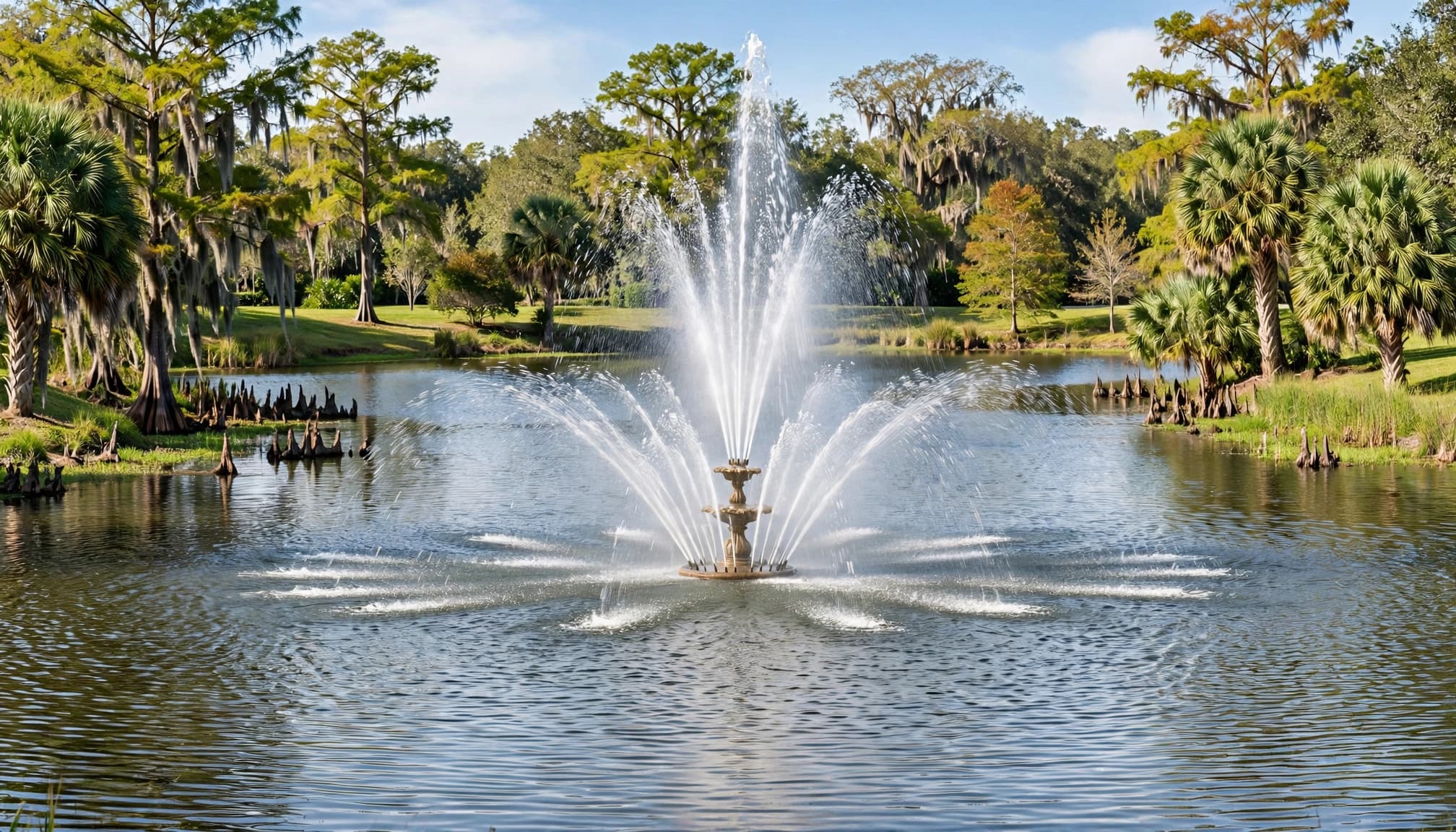
Heat, sunlight, and evaporation
High temperatures increase evaporation, especially when wind carries fine droplets away from the fountain. A feature that runs longer may lose water faster, although the actual effect depends on spray height, wind, surface area, shade, and weather.
Check the water level before operation. A falling level can expose the intake, increase pump strain, or allow the pump to draw air. Compare the level with the manufacturer's minimum operating depth, not only with how full the lake looked after a summer storm.
For small decorative features, partial shade can reduce direct heat and evaporation. Still, shade from trees can add leaves, pollen, and organic debris to the basin. The best schedule balances sunlight exposure with the amount of material entering the water.
Why one schedule cannot fit every pond
A fountain in a deep community lake has different needs from a stone basin beside a home. Pump horsepower, nozzle design, pond depth, water chemistry, shade, nearby landscaping, and the purpose of the feature all affect the schedule.
A display fountain may run mainly when residents are outside. A system installed to improve circulation may need more consistent operation. If the pond has low-oxygen areas near the bottom, a decorative spray may not provide enough full-depth movement. A bottom-diffused aeration system may be better suited to that condition.
How to Set Water Feature Run Times in Florida
A condition-based schedule works better than copying a timer setting from another property. Begin with the manufacturer's instructions, then use regular observations to decide whether the system needs more or less operation.
Start with the manufacturer's requirements
Find the pump model, recommended operating cycle, minimum water depth, intake clearance, and electrical specifications. Keep those details with the maintenance records so property managers and service technicians can find them quickly.
For a lake fountain, check whether the equipment is designed for continuous operation, scheduled display cycles, or a combination of both. Some systems can tolerate frequent starts, while others may experience more stress when they repeatedly switch on and off.
If you don't have the original instructions, avoid guessing. A fountain professional can identify the pump and confirm a safe operating range. The manufacturer's limits take priority over general scheduling advice.
Use cooler periods when practical
Morning operation often provides circulation before the hottest part of the day. A later afternoon or early evening cycle can support movement when residents are viewing the feature. These periods may also reduce the time water spends under intense midday sunlight.
A lake that needs aeration may require a longer or more consistent schedule than a decorative backyard feature. For a small waterfall, splitting the daily operation into separate cycles can provide movement while giving the pump and basin time to rest.
Make one adjustment at a time. If you increase operation, observe water level, spray quality, algae, and electrical behavior for several days before making another change. If the feature runs on a community property, record the schedule and the reason for each adjustment.
Match the Schedule to the Type of Feature
Water feature run times should reflect what the system is meant to accomplish. Beauty, surface circulation, full-pond aeration, and water movement are related goals, but they are not identical.
Lake fountains for circulation and display
A floating or fixed lake fountain can improve the appearance of a retention pond while moving water near the surface. The spray also adds oxygen as water breaks into droplets and returns to the lake.
When aeration and circulation matter, long inactive periods may allow stagnant areas to develop. However, the fountain should not operate at a low water level or through severe weather simply to maintain a timer schedule.
Use the spray pattern as a daily condition check. A strong, even display usually indicates that the intake and nozzle are functioning normally. An uneven spray may point to debris, algae buildup, mineral deposits, or pump wear.
Property owners can review floating versus fixed pond fountains before deciding whether the existing setup matches the pond's depth, shape, and aeration needs.
Small backyard waterfalls and recirculating basins
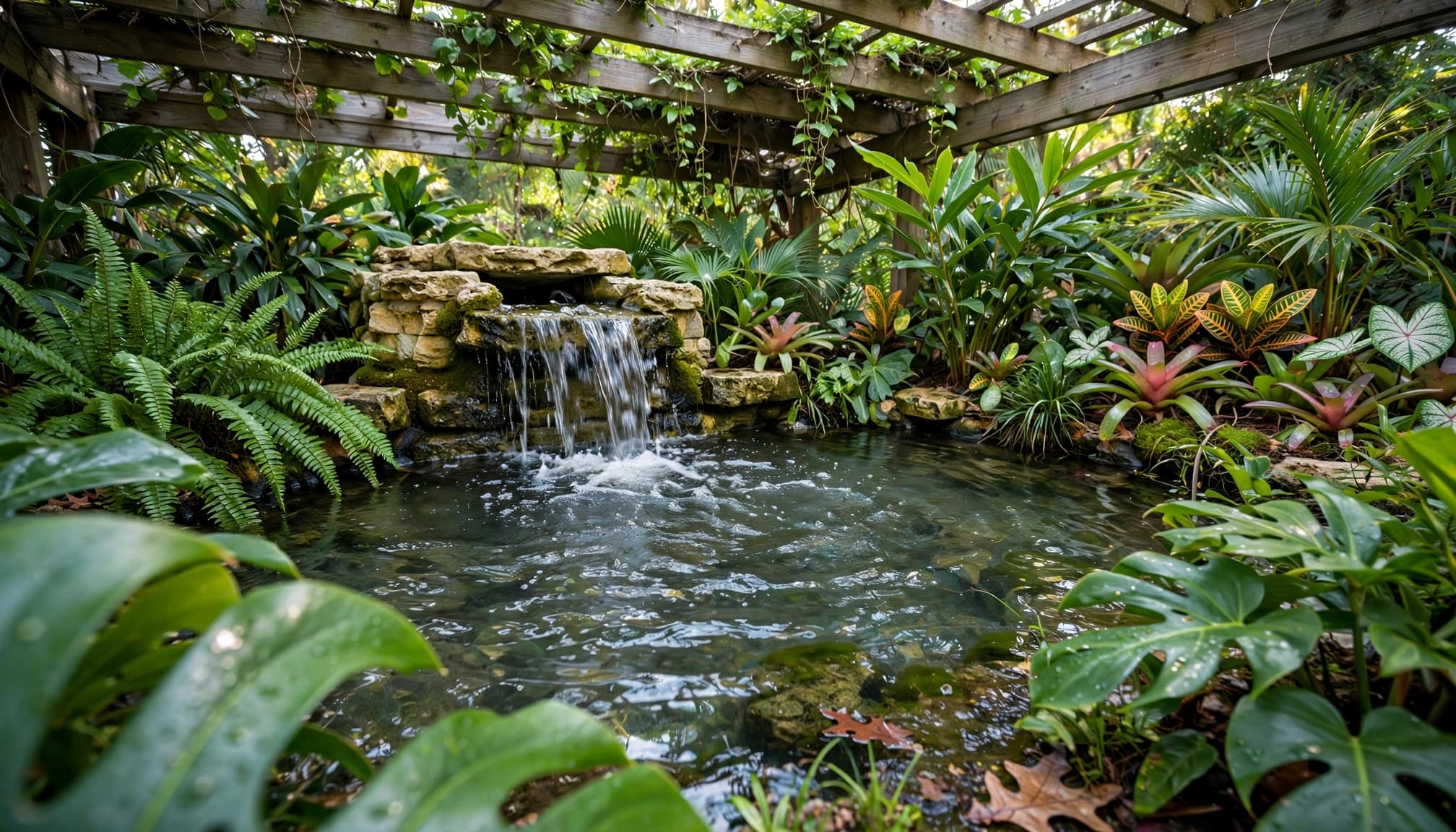
A compact waterfall usually recirculates the same water through a basin. Its schedule depends on basin volume, pump size, shade, splash loss, and whether anyone needs to see the feature during the day.
Inspect the reservoir before each cycle if the basin is small. Remove leaves and check that the pump remains covered with enough water. A low basin can cause the pump to run dry, which may shorten its service life.
Features near a lanai or patio may benefit from operation during outdoor-use periods rather than all day. If algae appears during the off period, improve cleaning and water quality management before assuming the pump needs to run continuously.
Signs Your Run Time Needs Adjustment
Your water, equipment, and surroundings provide better guidance than a timer alone. Check the system at the same general time each day so changes are easier to spot.
Weak spray or reduced water movement
A weaker display doesn't always mean the fountain needs more operating hours. A clogged intake screen, blocked nozzle, low water level, damaged impeller, worn pump, or electrical fault can reduce flow.
Turn off power before reaching into a basin or approaching submerged equipment. Once the system is safe, check the water level and visible intake area according to the manufacturer's instructions. Don't remove electrical covers or work on wiring unless you're qualified to do so.
The lake water fountain repair guide covers common causes of low flow, no movement, and pump problems.
Algae, odor, or cloudy water
Algae growth can increase after hot, sunny weather or heavy rain. A longer schedule may improve movement, but it won't remove the nutrients that feed a bloom. Excess organic material, poor circulation, sediment, and water chemistry may all contribute.
Record when the problem appears. If algae returns soon after cleaning, the pond may need a broader water-quality assessment or a different aeration approach. Avoid adding treatments without checking whether they are appropriate for the pond, fish, plants, and equipment.
A fountain that runs but still produces odor or cloudy water needs evaluation rather than automatic increases to its daily schedule.
Balance Electricity, Evaporation, and Equipment Life
Every operating hour uses electricity and adds time to the pump's service life. Longer operation may help circulation, but it can also increase power costs, splash loss, and wear when the feature has a mechanical problem.
Compare the schedule with the fountain's purpose. A display-only system may not need the same operation as a fountain installed to support water movement across a large pond. On the other hand, reducing hours too sharply can limit the circulation that the pond needs.
Track the following changes after adjusting the timer:
- Water level drops faster than expected.
- The pump becomes louder or vibrates.
- The spray becomes uneven.
- The breaker trips.
- Algae or odor increases.
- The feature needs more frequent cleaning.
A pump that trips a breaker requires immediate attention. Moisture, damaged wiring, insulation failure, or a failing motor can create a shock hazard. Don't repeatedly reset the breaker to keep the fountain running. Review lake fountain pump breaker problems and arrange qualified service when trips continue.
Maintenance and Safety Tips for Florida Features
A sound schedule cannot compensate for neglected equipment. Heat, rain, algae, leaves, mineral deposits, and storms all affect fountain performance in Southwest Florida.
Clean and inspect on a condition-based schedule
Inspect intake screens and nozzles regularly, especially after heavy rain or rapid plant growth. Remove debris according to the manufacturer's instructions, and check that the water level remains above the required minimum.
Most fountains should receive professional service every three to six months, although lakes with frequent algae blooms or high organic material may need quarterly attention. These are maintenance intervals, not universal operating schedules.
Check for unusual vibration, corrosion, damaged cables, loose anchors, and changes in spray height. A Florida lake fountain maintenance checklist can help HOAs and property managers keep consistent records.
Protect people and equipment
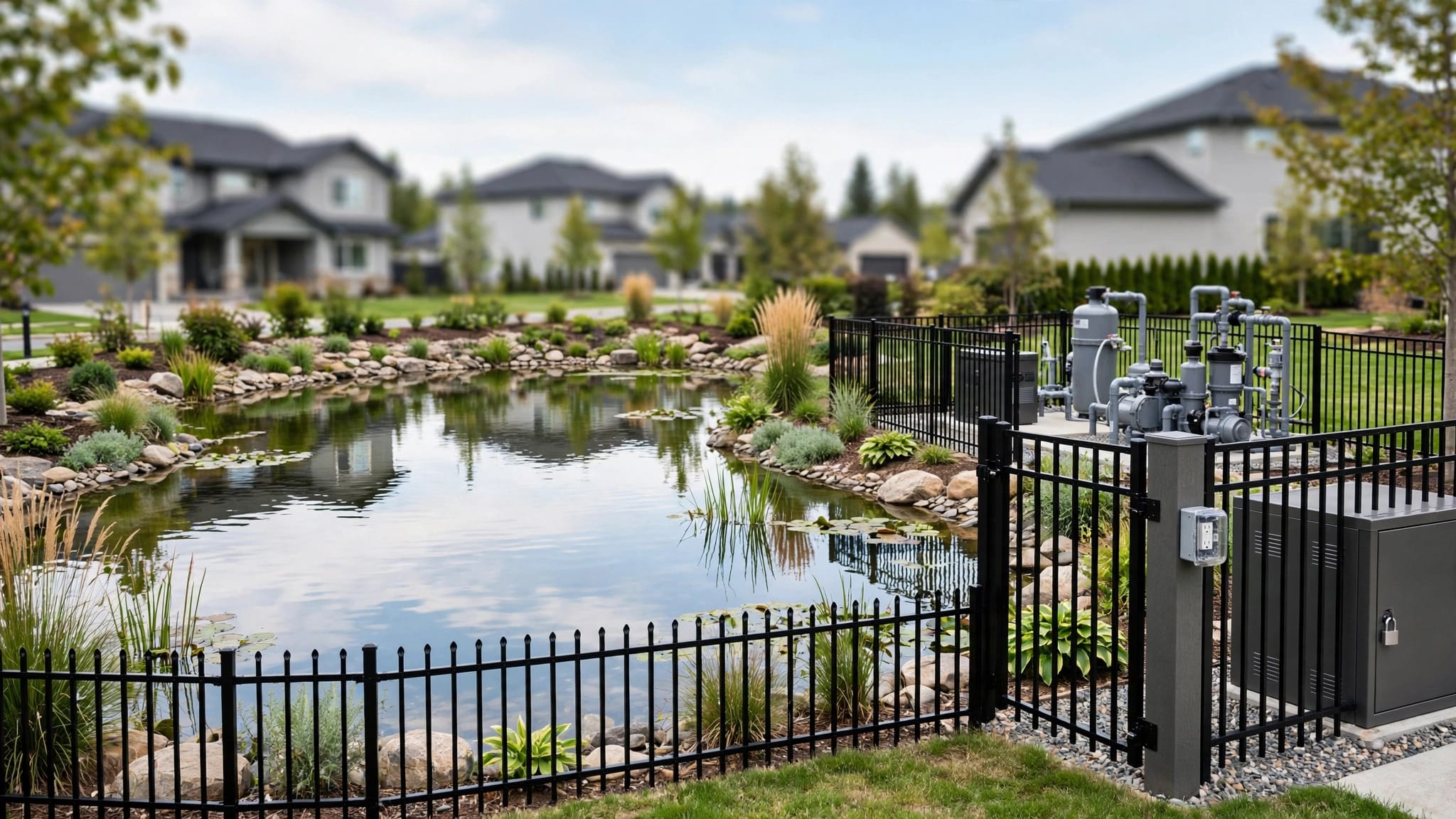
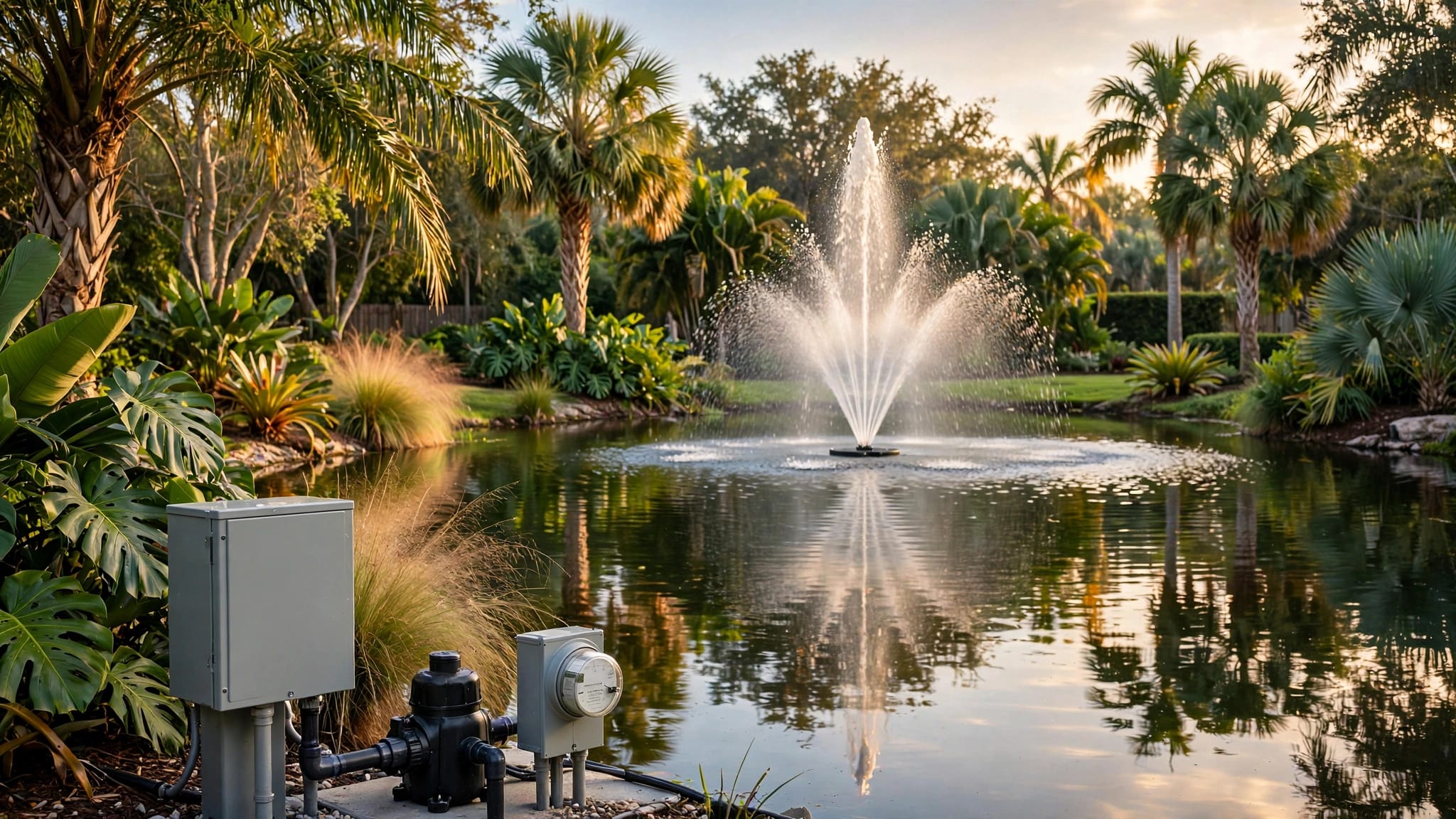
Keep electrical connections elevated, dry, and protected with outdoor-rated covers. Route cords away from puddles, sharp edges, mowers, and foot traffic. Use the proper disconnect before cleaning or servicing the pump.
Before tropical weather arrives, review the system's storm plan early. Severe wind, lightning, flooding, and floating debris can damage a fountain or create unsafe conditions. Follow the equipment manufacturer's instructions for shutdown, removal, anchoring, and restart.
After a storm, inspect the water level, cables, anchors, intake, spray pattern, and electrical protection before restoring power.
FAQ About Florida Water Feature Run Times
Should a Florida fountain run all day?
Not every fountain needs to run all day. A lake fountain may need more consistent operation for circulation or aeration, while a small decorative feature may use split cycles. Follow the pump manufacturer's guidance and adjust based on water quality, water level, spray performance, and equipment behavior.
Does running a fountain longer prevent algae?
Movement can reduce stagnant surface areas and may help limit conditions that support algae. It doesn't remove nutrients, sediment, or an established bloom. If algae continues, inspect the intake and nozzle, review runoff and debris, and consider whether the pond needs a broader aeration or water-quality plan.
How often should I change the timer?
Change the schedule when conditions change, not on a fixed calendar. Reassess after heat waves, heavy rain, algae growth, falling water levels, landscaping changes, or equipment repairs. Make small adjustments and observe the result before changing the timer again.
What should I do if the fountain is weak?
Check the water level and look for visible debris only after shutting off power. A weak fountain may have a clogged screen, blocked nozzle, pump wear, or an electrical issue. Running it longer can increase strain without restoring flow.
Choose a Schedule That Fits the Property
Florida water feature run times should support the feature's actual purpose while respecting water level, weather, equipment limits, and electricity use. A lake fountain needs a different plan from a shaded backyard waterfall, and neither should operate past safe conditions.
Watch for changes in spray quality, algae, odor, evaporation, noise, vibration, and breaker behavior. With regular inspections and measured adjustments, property owners can maintain attractive water movement without treating the timer as a substitute for cleaning, repair, or proper aeration.
Latest posts
Read Our Blog
Tips, guides, industry best practices, and news.

Contact us
Get in touch
Our friendly team is ready to chat.